Tag Archives: pollution

New Rochelle Columbus Students On the Big Screen

c015385b-7b1d-45de-9b62-307f4f56a45eNew Rochelle Columbus Elementary School celebrated its Red Carpet Affair on Thursday evening. Students walked on a red carpet, donned in their finest to the auditorium to see themselves on the big screen.

Columbus Students were filmed as part of a documentary about how introduction of sustainability education can change a community. A film crew came in to capture the students doing a waste audit and filming the unbelievable amounts of waste generated in a school without recycling. And the film crew followed the students on their journey to learn to sort their waste in the lunchroom, all the way to the celebration to show case that Columbus reduced its garbage from 400 lbs to just 8 lbs, a 98% reduction, through diversion into recycling and composting. Students shared what they learned and how they will continue to make a difference.

9f151755-49ee-438e-8fe6-9bde62110180Just like at the Oscar’s the “actors” were interviewed to share their thoughts. Proud students were either the interviewer or the interviewee, asking questions about what the students have learned from the on-going recycling program in their lunchroom, how their parents made differences in their households, now that the students learned about recycling. The answers were heartfelt and sincere. Clearly, Columbus students know that their actions count and each and every one can make a difference.

The lobby was filled with educational displays on how to make a waste free lunch and the PTA was offering reusable sandwich boxes, waterbottles, and shopping bags for sale.

Principal Sonia Nunez welcomed everybody warmly to the auditorium, thanked especially the green students who are unwavering in their support of the lunchroom station and explained to the parents how this documentary came about. And then lights were dimmed and the show began.
Mamaroneck’s Middle School On TV With Its Rocket Composter

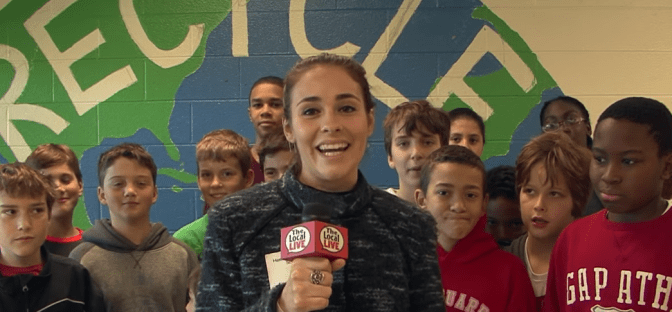
Mamaroneck’s Hommocks Middle School is the first public school in Westchester County to proudly operate a Rocket composter.  Seventy-seven pounds of food waste are gobbled up daily and through the We Future Cycle sorting program, and Hommocks is now diverting 86% of its waste into composting or recycling streams.

Click on the image to view the fabulous news coverage by LMCTV:

Hommocks lmctv


New Rochelle’s Jefferson Elementary School down to 1.2% Garbage

3 lbs of trash, all the rest goes into compost or recyclingThis is what 254 lbs of lunchroom waste look like, and — believe it or not—- only 3 lbs of it, was actually trash. Everything else is being fed into food waste composting and recycling.  72 lbs went as left over liquid down the drain, and the students sorted 15.5 lbs of untouched food out to donate to the local soup kitchen.

That is a whopping 98.8% reduction.  Seriously …. way to go.

Jefferson Elementary School under the leadership of Kim Nieves and LeAnn Bruno has always been on New Rochelle’s forefront to bring sustainability to their students.

Already in 2011, when the We Future Cycle Recycling program was in its infancy and New Rochelle was still serving its students on Styrofoam trays, Ms Nieves and Ms Bruno knew that making the students partners and teaching them to care and sort is a life long skill.

Fortunately, after a 5 year battle, Styrofoam is permanently off the menu in New Rochelle and We Future Cycle gives full credit for this to Jeff White, Assistant Superintendent of Business. Mr White, being new to the district, saw immediately the incredible social, educational and environmental value that the program offers to the children and understood that serving our young ones on a material that contains Styrene, a chemical that has recently been classified as “reasonably anticipated human carcinogen” was inappropriate, no matter how much less expensive it might be.

Jefferson adjusted its program to follow We Future Cycle’s guidelines, so all New Rochelle schools are set up exactly the same.  We Future Cycle is enjoying working with Jefferson’s enthusiastic recyclers. There is nothing as rewarding as having a kindergarten student hug your leg and say thank you for teaching her to recycle.


Second Grader Takes a Good Look At What Plastic Bags Do To This Earth…. and doesn’t like what she is seeing

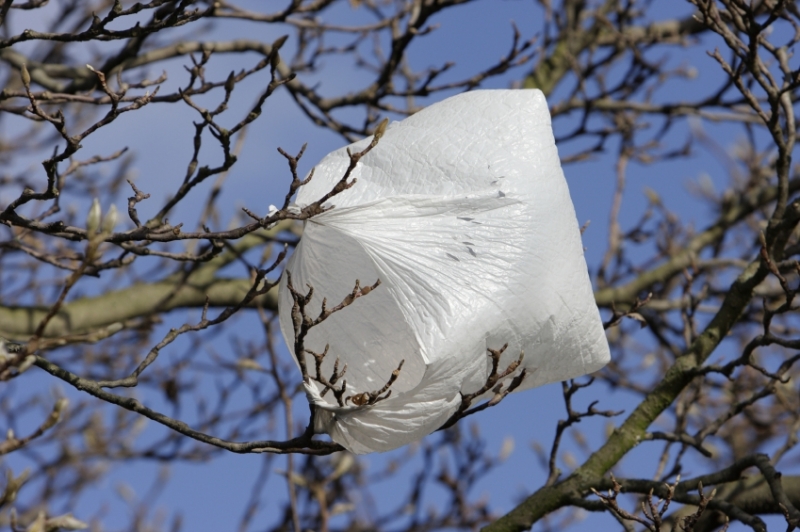
BagBan_iStock_000004816308Small7 year old JaneMarie, a second grader in Blind Brook NY just found some plastic flying around her front yard. Running outside in her slippers, catching the plastic, she saw yet another plastic bag hanging in the tree, way outside her reach.  It made her very sad. She had learned in her school, that adopted the We Future Cycle recycling program about how important it is to keep our environment clean and she is ready to do her part.

imagesAmericans are  using over 100 billion single use plastic bags per year and someone calculated that once down to 857 per minute in Westchester County. A tremendous number with a very sad number of a less then 1% recycled.

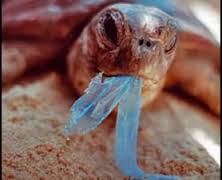
images (2)The environmental foot print of plastic bags is enormous. They clog up rivers and sewers, they photo degrade into smaller plastic pieces and are mistaken for food by animals.  A great variety of animals, land and especially marine, can choke to death on bags, experiencing much pain and distress. If swallowed whole, animals may not be able to digest real food and die a slow death from starvation or infection.

The amount of floating plastics in the world’s oceans is increasing dramatically. The Pacific Trash Vortex is a ‘gyre’ or vortex of marine litter in the North Pacific Ocean. The vortex is characterised by exceptionally high concentrations of suspended plastics, such as plastic bags, bottles, containers and other debris, that have been trapped by currents. It is now estimated to be twice the size of Texas. Its impact on marine ecosystems is catastrophic due to its toxic nature and threat to marine life.

The convenience of people to use single use plastic bags puts a staggering economic burden on society.

Communities spent millions on litter mitigation and  flood mitigation, the environmental foot print is huge from the manufacturing to the disposal, all because of  short term convenience.

Westchester County is working on legislation to deal with this problem. Some communities have taken the solution already into their hands. Hastings, Mamaroneck, Rye are leaders that education and legislative support can teach community that convenience may not always be for the greater good.


Planting A Trash Garden, Hands on Teaching about Decomposition

OLYMPUS DIGITAL CAMERA
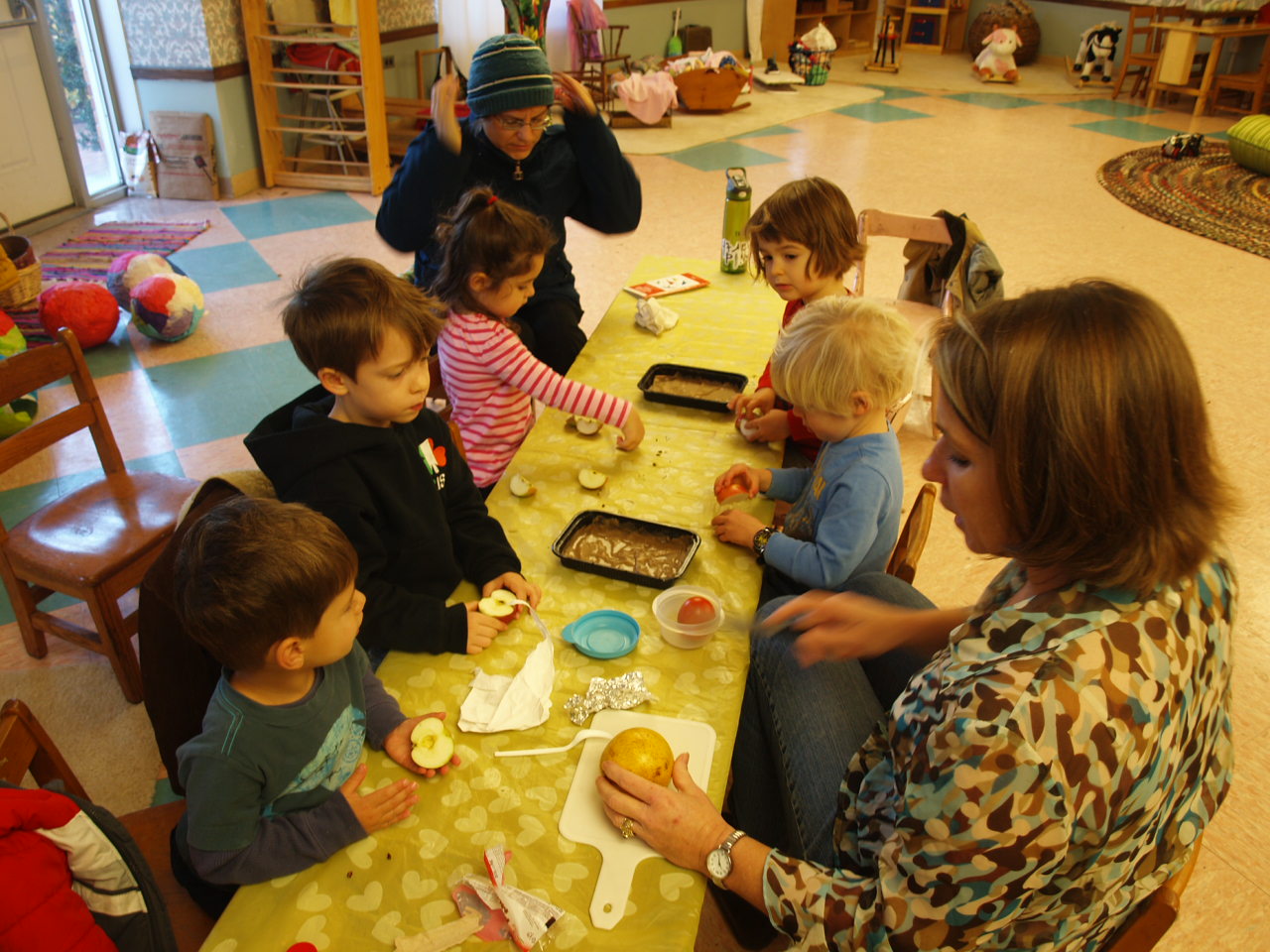
Cutting up fruits and vegetables, hunting for seeds

Even  a 3 year old knows that a wrapper flying through the air on the street is not suppose to be there. When asked if that wrapper ever goes away, the little boy stopped to think a bit and then came  a timid “no” ,  with a question mark at the end. Talking about “away” is a common topic at the Little Leaf Nursery School in Hastings these days and the students are learning.

Just recently We Future Cycle introduced  recycling and composting  and the students are now seasoned recyclers, knowing where materials go and where the food waste goes. They all reported that they feed the tumbler and they help tumbling.

OLYMPUS DIGITAL CAMERA
Learning about seeds, what can grow  and decomposition while making a trash garden

To bring decomposition even closer, we created a trash garden with the students today. We cut up some fruits and vegetables, looked at the seeds and planted them together with strips of aluminum foil, corners of paper, a hard plastic bottle cap, some soft plastic wrappers and some cut up fruit and veggie peel.

The students learned about prediction and we tried to predict what would grow from the things we just planted.  We will now keep our “trash garden” nicely watered and observe the changes.


The German International School of NY launching on-site food composting with We Future Cycle

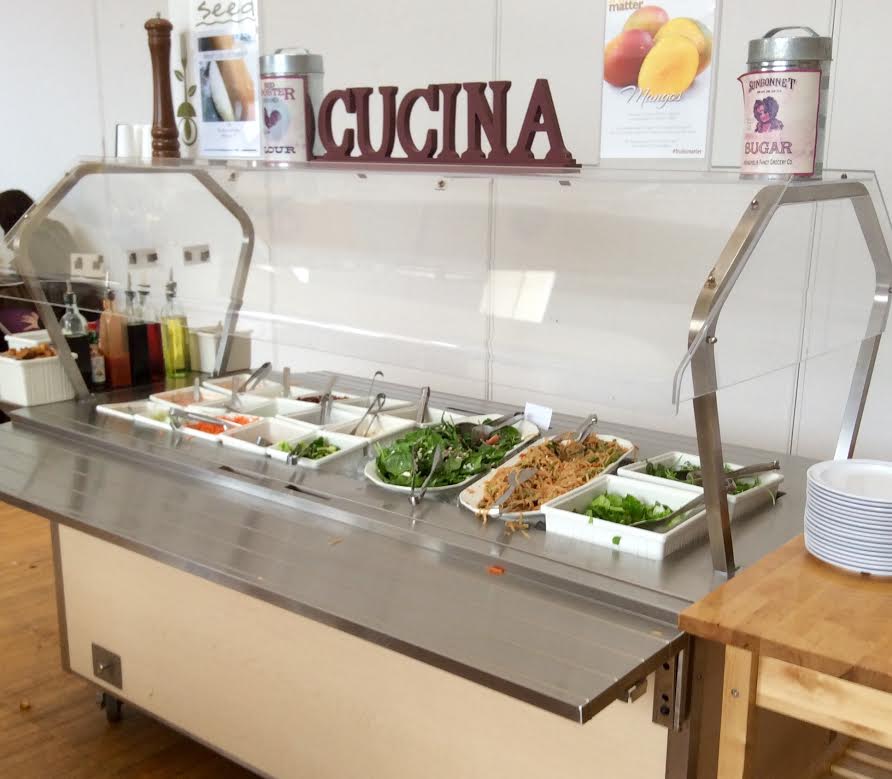
fdc93e79-289d-458e-936e-c3c74b34d25cThe lunchroom in the German School in White Plains resembles more an upscale restaurant then a school lunchroom. You will find a decorative salad bar, a drink dispenser, a milk dispenser with your choice of 1% milk or 1% chocolate milk, a juice and sparkling water dispenser, the dessert counter with the fresh fruit of the day in a sun light filled high ceiling room, with light wood round tables. The food is all prepared on site, with the daily soup, vegetarian choices and meat dish.

b39b7799-e043-4e2e-b656-1efb956b6ecaChef Paul Boos, Food Service Director with Compass USA, personally serves the students and the school is proudly looking upon a 100% participation rate among students.

b8649d72-a671-4444-9da9-d94f088dd8b6The school uses only reusable dish and flatware and students are returning their trays to a counter that leads to the dishroom.

Now, GISNY, under the leadership of Edward Schlieben, administrator and a very active Green Team is launching into food composting on site. The handsome garden is visible right from the lunchroom and it is the logical next step in their journey to zero waste.

Come January 2016, students will be scraping their food waste into the compost bucket instead of garbage and the student green team will manage the compost bins. We Future Cycle is proud to be helping the GISNY on their path to truly zero waste.


Journal News covering We Future Cycle Recycling Program at Ridgeway Elementary

On page 3A of the Sunday Dec 6th edition of the Journal News is a lovely article about the White Plains Ridgeway Elementary school’s recycling program.

Akiko Matsuda, the reporter that covers environmental issues  for the Journal News in Westchester County contacted We Future Cycle in August to find out more about the program. We had long conversations covering the beginnings, the challenges and the successes.  Akiko was hooked and ready to see the program in action.

Schools don’t easily admit reporters but Ridgeway Elementary School is so proud of its lunchroom that they were happy to share the good news.  Assistant Principal James Graziano is an enthusiastic supporter of the program and together with his fabulous head custodian Pedro Molino showed off his kids with a proud smile.

We Future Cycle is excited that this news coverage has raised awareness in the community that other school districts contacted us to find out more about the program.  Thank you Akiko and thank you Ridgeway students for showing off that you can make a difference.

Mamaroneck’s Middle School has Ribbon Cutting Ceremony for Rocket Composter

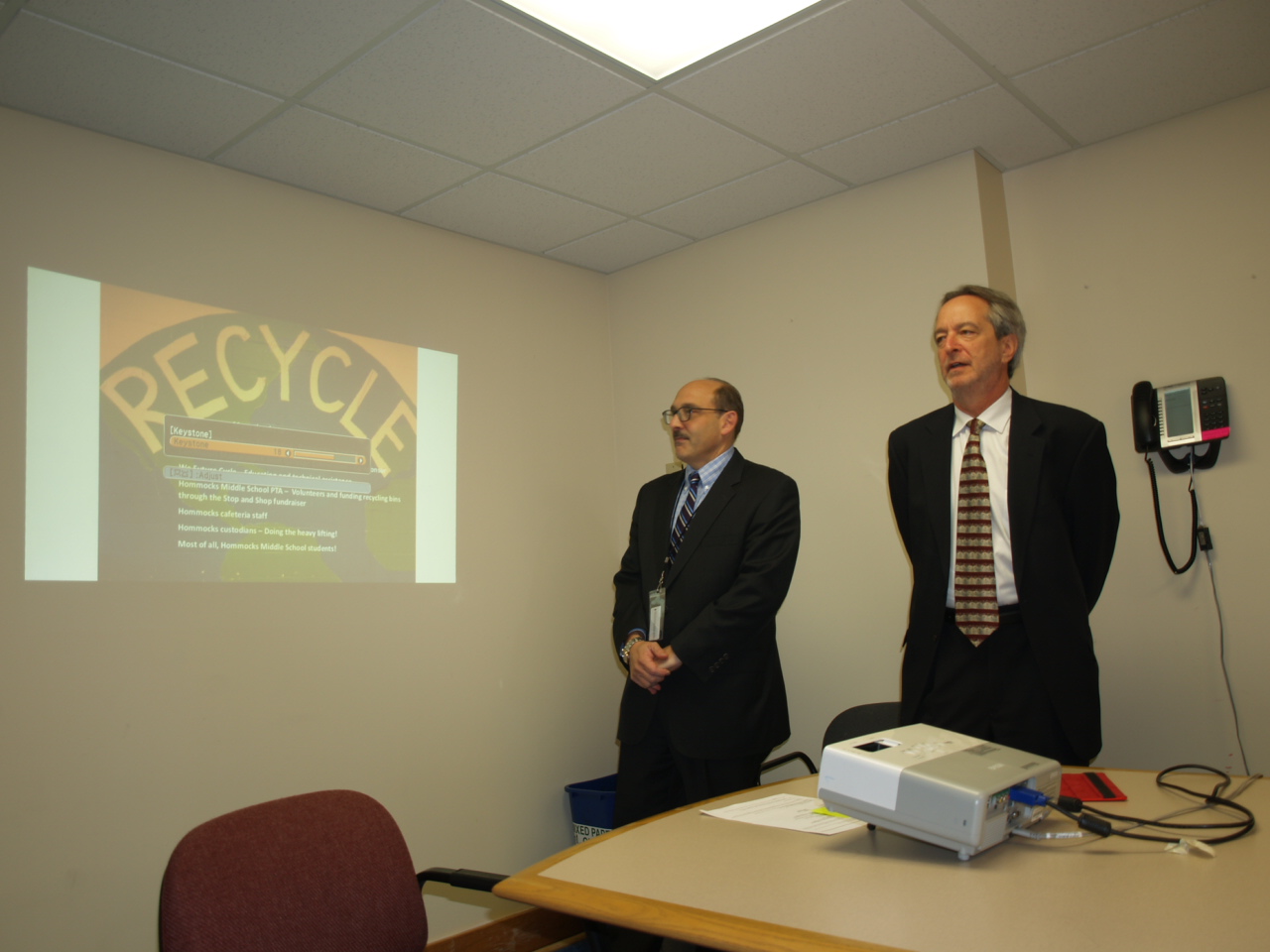
Dr Shaps and Dr Weitzman presenting the We Future Cycle Recycling Program

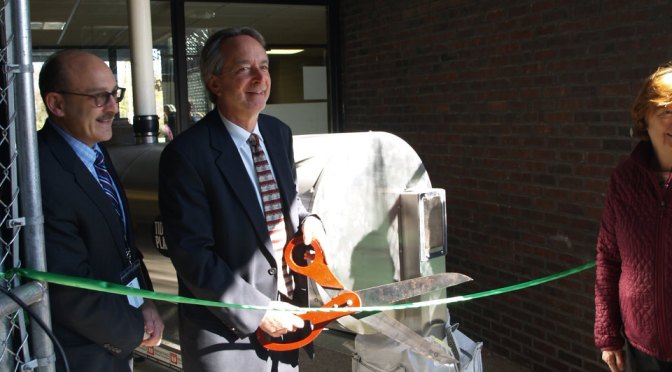
Larchmont and Mamaroneck’s Superintendent Dr. Shaps and Hommocks Principal Dr. Seth Weitzman proudly cut the ribbon to the first Rocket Composter at a Westchester public school.

Thanks to a generous grant of the Education Foundation, the purchase of this stainless steel machine that takes food waste and wood chips and 2 weeks later, compost comes out the other end, was made possible. After an additional 4 weeks of maturation, the compost will have finished its nitrification process and the compost can be used in the garden.

We Future Cycle was hired to do the program implementation as well as teaching students how to sort properly. The rocket is a picky eater, it only likes food.

Slide3The additional benefit of the We Future Cycle program is that apart from the food waste, also excess liquids, paper and commingled recycling are sorted out and sent into recycling streams rather then up the Hudson to be burnt as trash. A win win situation for all parties.

As a matter of fact, Hommocks is able to divert a whopping 86% of its waste into recycling or composting streams.

Mamaroneck’s Mayor Mr Rosenblum shared with a smile that his DPW guys already reported to him how much of a difference that makes.

Dr Shaps is very proud of Hommocks success and is looking forward to be implementing the recycling program in the other schools too.

We Future Cycle is proud to be helping with that as well.


Hastings: Astonishing First Year Results from We Future Cycle Program

IMG_0258Can you imagine 110 times the amount of garbage as in this picture? Well, this is what Hastings-on-Hudson school district has not generated in the past year thanks the robust We Future Cycle recycling program it adopted last year. About 22 tons.

Thanks to the endless energy and support of Maureen Carabello, Treasurer, as well as the two head custodians in the elementary school and the middle/high school Hastings can look proudly upon major accomplishments.

Both buildings reduced their garbage so significantly that they reduced the number of dumpster by 50% and were able to renegotiate a $2000.00 reduction in their pick up cost.

Custodial staff was also able to reduce their plastic bag usage and purchases by 50% which is an expense often overlooked.

Truly an astonishing first year results. Hats off to Hastings-on-Hudson.

Waste Management in Germany, 87% recycling rate

3,w=650,c=0.bildIn Germany, Source Separation is old news, everybody does it . And I mean

E V E R Y  B O D Y!

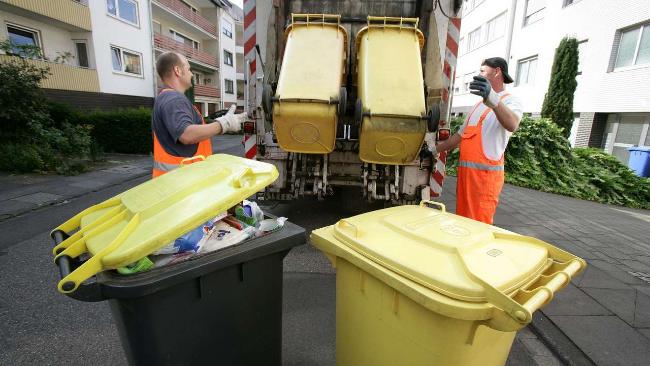
It is working because Germany applied country wide the same strategy.  German households, and buildings are all set up the same way. Everybody is sorting food waste into the  brown “BioTonne”, Paper into the “Blue Bin” , all packaging into the “Yellow Bin” and then there is the black bin for left over garbage.

The pick up schedule is set up to reward recycling and to penalize garbage. Country wide food waste pick up takes place once per week, Paper and Packaging Materials are alternating once per week and the left over garbage is only picked up once per month. Each bin has a bar code and is read at point of pick up. The cost per consumer is calculated by weight whereas food waste and recycling has a very low per pound fee, and remaining garbage a very high per pound fee.

The keys to success were

1.  consistent signage, consistent colors of bins

2. supervision at point of collection (oops stickers, and ultimately fines for non compliance)

3. pay per throw via bar code,  per pound cost differentiated by material.

4. Bio Digesters for food waste management .

The results are just amazing.

KSzectF (1)In Numbers:  Germany generates some 50 million tons of waste per year from its 82.5 million people.  87% of that waste is recycled through household and industrial source separation.

Construction debris is only accepted source separated to particular standards.

Grocery stores are required to offer disposal of hard to recycle materials and with that came a revolution in packaging, as suddenly the point of sale was responsible for what it put on its shelves.

There are no active landfills in Germany, a few incinerators are dealing with the remaining 13% of left over garbage.  Italy is sending its trash to Germany for incineration, and Germany is actually harvesting that trash from its recyclables before sending it to the incinerator.

And the absolute best is, that it is now cost efficient to harvest old landfills, which is starting to happen in several areas all over Germany.

A true example of what can be possible if everybody is seeing the greater good, rather then the quick buck for some selected few.