Tag Archives: westchestercounty

New Rochelle’s Jefferson Elementary School down to 1.2% Garbage

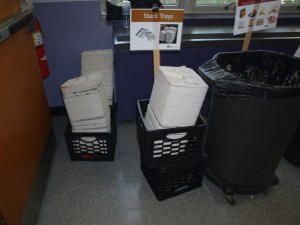
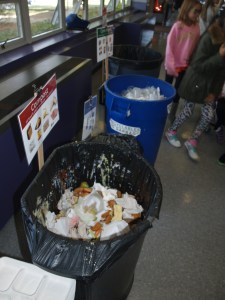
3 lbs of trash, all the rest goes into compost or recyclingThis is what 254 lbs of lunchroom waste look like, and — believe it or not—- only 3 lbs of it, was actually trash. Everything else is being fed into food waste composting and recycling.  72 lbs went as left over liquid down the drain, and the students sorted 15.5 lbs of untouched food out to donate to the local soup kitchen.

That is a whopping 98.8% reduction.  Seriously …. way to go.

Jefferson Elementary School under the leadership of Kim Nieves and LeAnn Bruno has always been on New Rochelle’s forefront to bring sustainability to their students.

Already in 2011, when the We Future Cycle Recycling program was in its infancy and New Rochelle was still serving its students on Styrofoam trays, Ms Nieves and Ms Bruno knew that making the students partners and teaching them to care and sort is a life long skill.

Fortunately, after a 5 year battle, Styrofoam is permanently off the menu in New Rochelle and We Future Cycle gives full credit for this to Jeff White, Assistant Superintendent of Business. Mr White, being new to the district, saw immediately the incredible social, educational and environmental value that the program offers to the children and understood that serving our young ones on a material that contains Styrene, a chemical that has recently been classified as “reasonably anticipated human carcinogen” was inappropriate, no matter how much less expensive it might be.

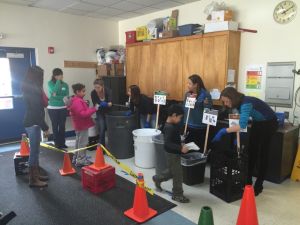
Jefferson adjusted its program to follow We Future Cycle’s guidelines, so all New Rochelle schools are set up exactly the same.  We Future Cycle is enjoying working with Jefferson’s enthusiastic recyclers. There is nothing as rewarding as having a kindergarten student hug your leg and say thank you for teaching her to recycle.



Second Grader Takes a Good Look At What Plastic Bags Do To This Earth…. and doesn’t like what she is seeing

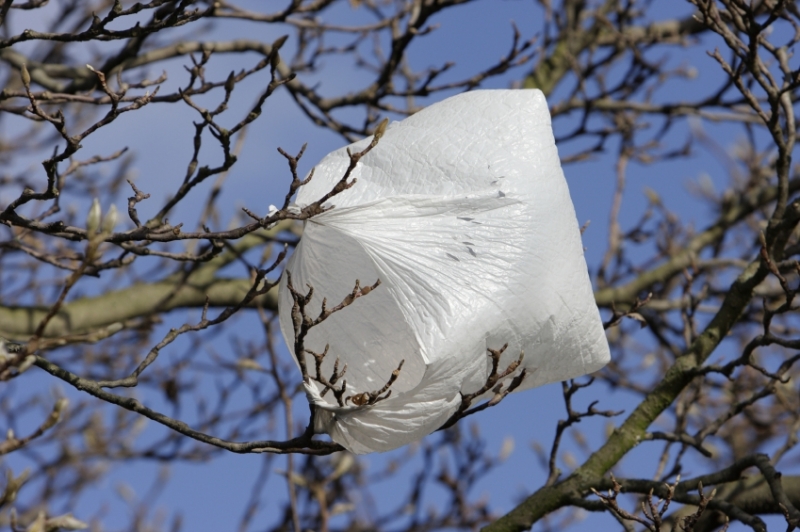
BagBan_iStock_000004816308Small7 year old JaneMarie, a second grader in Blind Brook NY just found some plastic flying around her front yard. Running outside in her slippers, catching the plastic, she saw yet another plastic bag hanging in the tree, way outside her reach.  It made her very sad. She had learned in her school, that adopted the We Future Cycle recycling program about how important it is to keep our environment clean and she is ready to do her part.

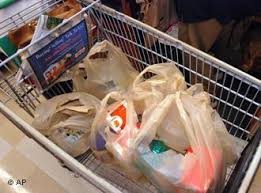
imagesAmericans are  using over 100 billion single use plastic bags per year and someone calculated that once down to 857 per minute in Westchester County. A tremendous number with a very sad number of a less then 1% recycled.

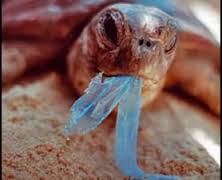
images (2)The environmental foot print of plastic bags is enormous. They clog up rivers and sewers, they photo degrade into smaller plastic pieces and are mistaken for food by animals.  A great variety of animals, land and especially marine, can choke to death on bags, experiencing much pain and distress. If swallowed whole, animals may not be able to digest real food and die a slow death from starvation or infection.

The amount of floating plastics in the world’s oceans is increasing dramatically. The Pacific Trash Vortex is a ‘gyre’ or vortex of marine litter in the North Pacific Ocean. The vortex is characterised by exceptionally high concentrations of suspended plastics, such as plastic bags, bottles, containers and other debris, that have been trapped by currents. It is now estimated to be twice the size of Texas. Its impact on marine ecosystems is catastrophic due to its toxic nature and threat to marine life.

The convenience of people to use single use plastic bags puts a staggering economic burden on society.

Communities spent millions on litter mitigation and  flood mitigation, the environmental foot print is huge from the manufacturing to the disposal, all because of  short term convenience.

Westchester County is working on legislation to deal with this problem. Some communities have taken the solution already into their hands. Hastings, Mamaroneck, Rye are leaders that education and legislative support can teach community that convenience may not always be for the greater good.


Planting A Trash Garden, Hands on Teaching about Decomposition

OLYMPUS DIGITAL CAMERA
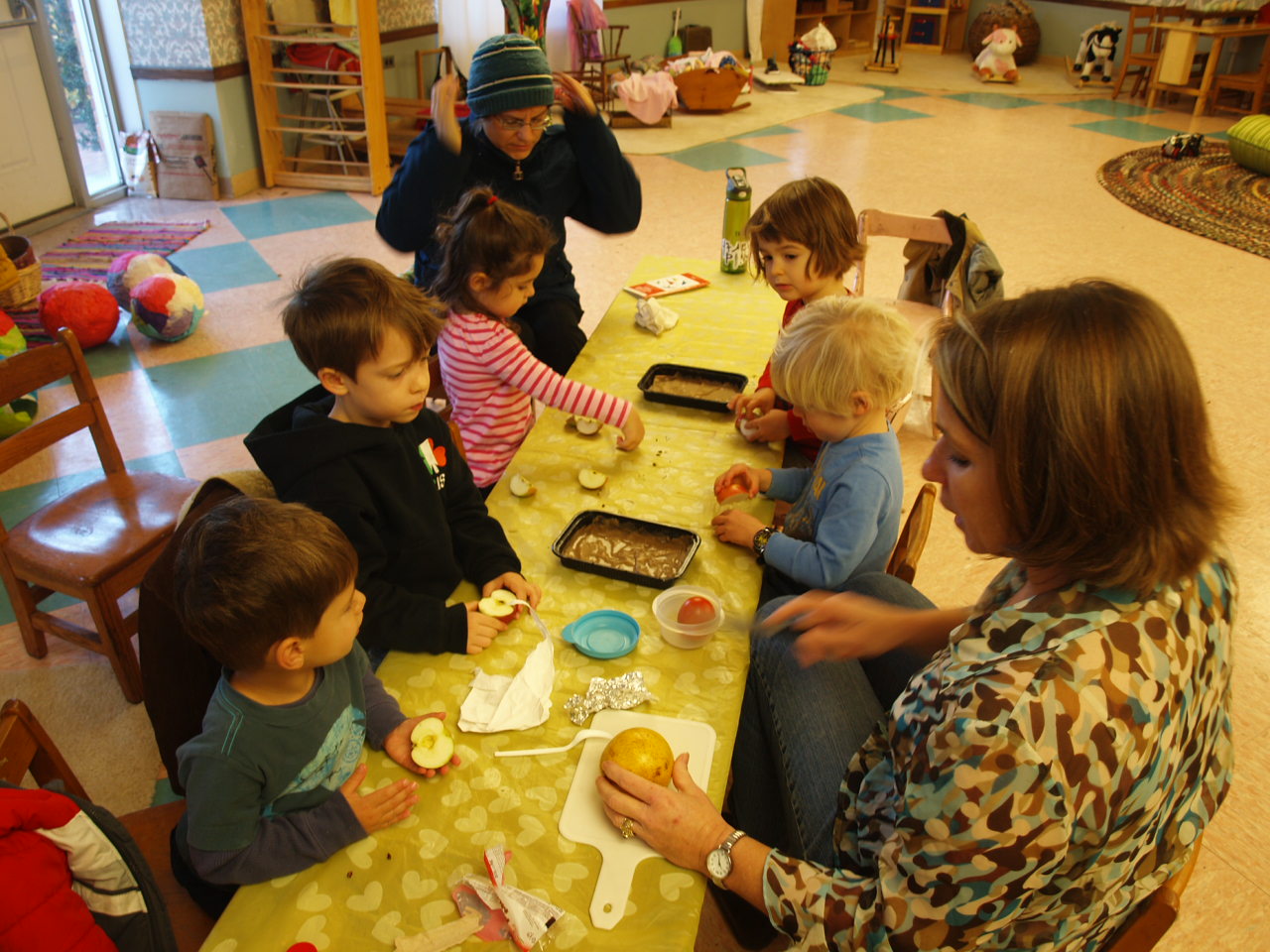
Cutting up fruits and vegetables, hunting for seeds

Even  a 3 year old knows that a wrapper flying through the air on the street is not suppose to be there. When asked if that wrapper ever goes away, the little boy stopped to think a bit and then came  a timid “no” ,  with a question mark at the end. Talking about “away” is a common topic at the Little Leaf Nursery School in Hastings these days and the students are learning.

Just recently We Future Cycle introduced  recycling and composting  and the students are now seasoned recyclers, knowing where materials go and where the food waste goes. They all reported that they feed the tumbler and they help tumbling.

OLYMPUS DIGITAL CAMERA
Learning about seeds, what can grow  and decomposition while making a trash garden

To bring decomposition even closer, we created a trash garden with the students today. We cut up some fruits and vegetables, looked at the seeds and planted them together with strips of aluminum foil, corners of paper, a hard plastic bottle cap, some soft plastic wrappers and some cut up fruit and veggie peel.

The students learned about prediction and we tried to predict what would grow from the things we just planted.  We will now keep our “trash garden” nicely watered and observe the changes.


The German International School of NY launching on-site food composting with We Future Cycle

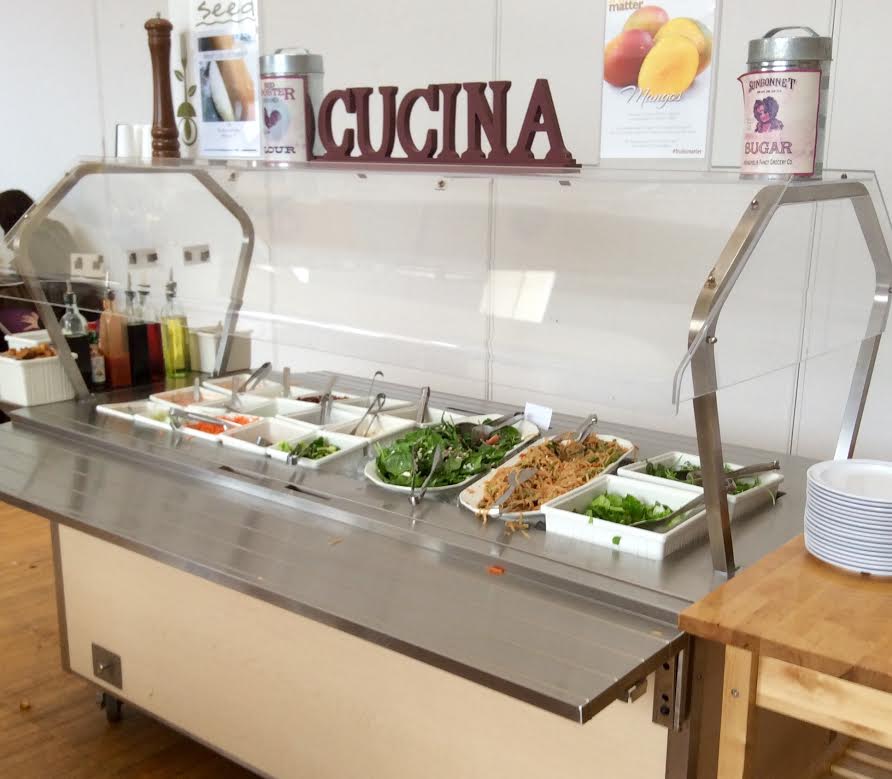
fdc93e79-289d-458e-936e-c3c74b34d25cThe lunchroom in the German School in White Plains resembles more an upscale restaurant then a school lunchroom. You will find a decorative salad bar, a drink dispenser, a milk dispenser with your choice of 1% milk or 1% chocolate milk, a juice and sparkling water dispenser, the dessert counter with the fresh fruit of the day in a sun light filled high ceiling room, with light wood round tables. The food is all prepared on site, with the daily soup, vegetarian choices and meat dish.

b39b7799-e043-4e2e-b656-1efb956b6ecaChef Paul Boos, Food Service Director with Compass USA, personally serves the students and the school is proudly looking upon a 100% participation rate among students.

b8649d72-a671-4444-9da9-d94f088dd8b6The school uses only reusable dish and flatware and students are returning their trays to a counter that leads to the dishroom.

Now, GISNY, under the leadership of Edward Schlieben, administrator and a very active Green Team is launching into food composting on site. The handsome garden is visible right from the lunchroom and it is the logical next step in their journey to zero waste.

Come January 2016, students will be scraping their food waste into the compost bucket instead of garbage and the student green team will manage the compost bins. We Future Cycle is proud to be helping the GISNY on their path to truly zero waste.


New Rochelle Columbus School Takes Recycling To The Convention

OLYMPUS DIGITAL CAMERA
Christmas Tree Ornaments

Anybody for some Christmas Tree ornaments made out of Nestle Nespresso cups?


OLYMPUS DIGITAL CAMERA

How how about a gorgeous piggy bank?

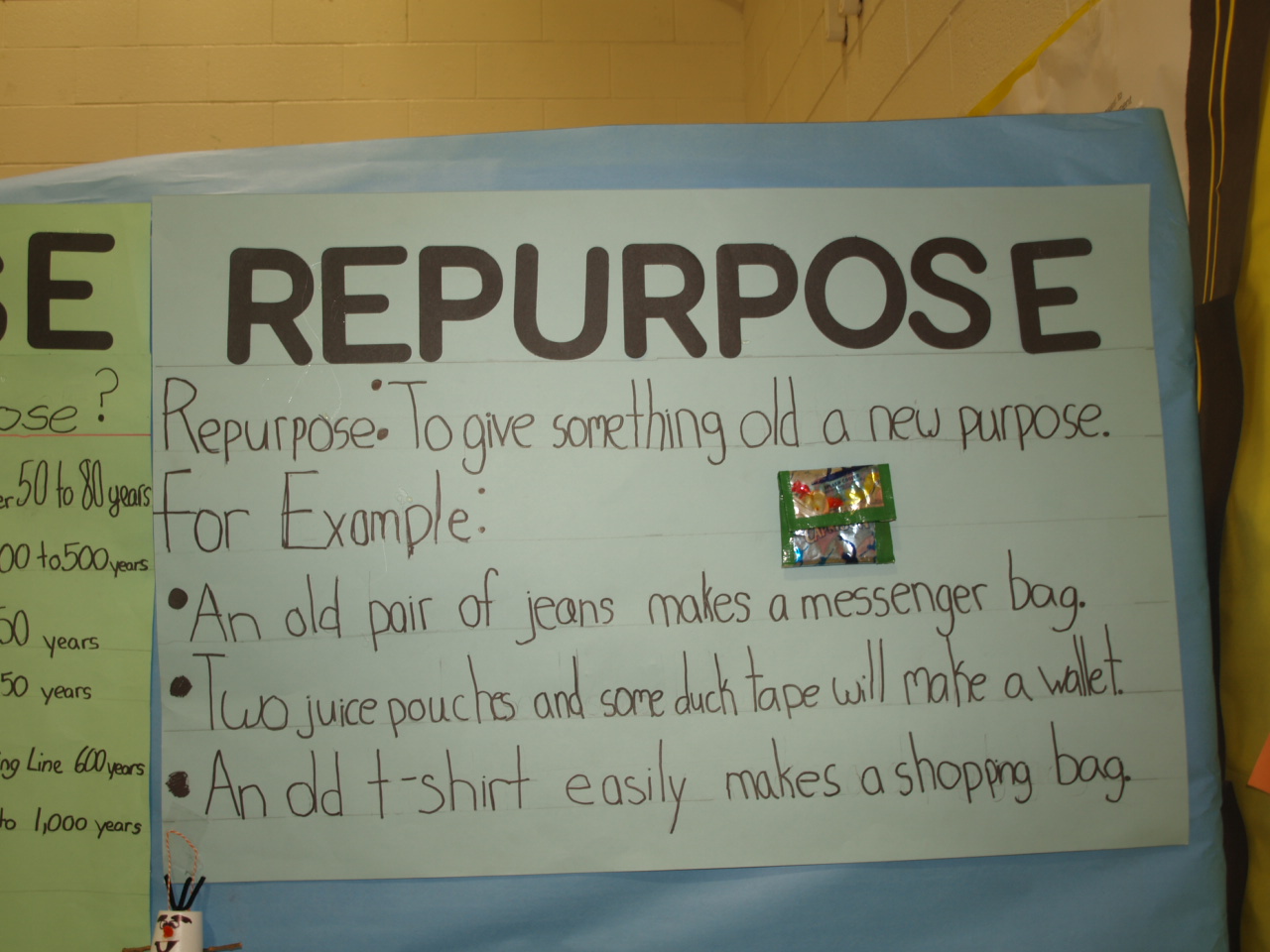
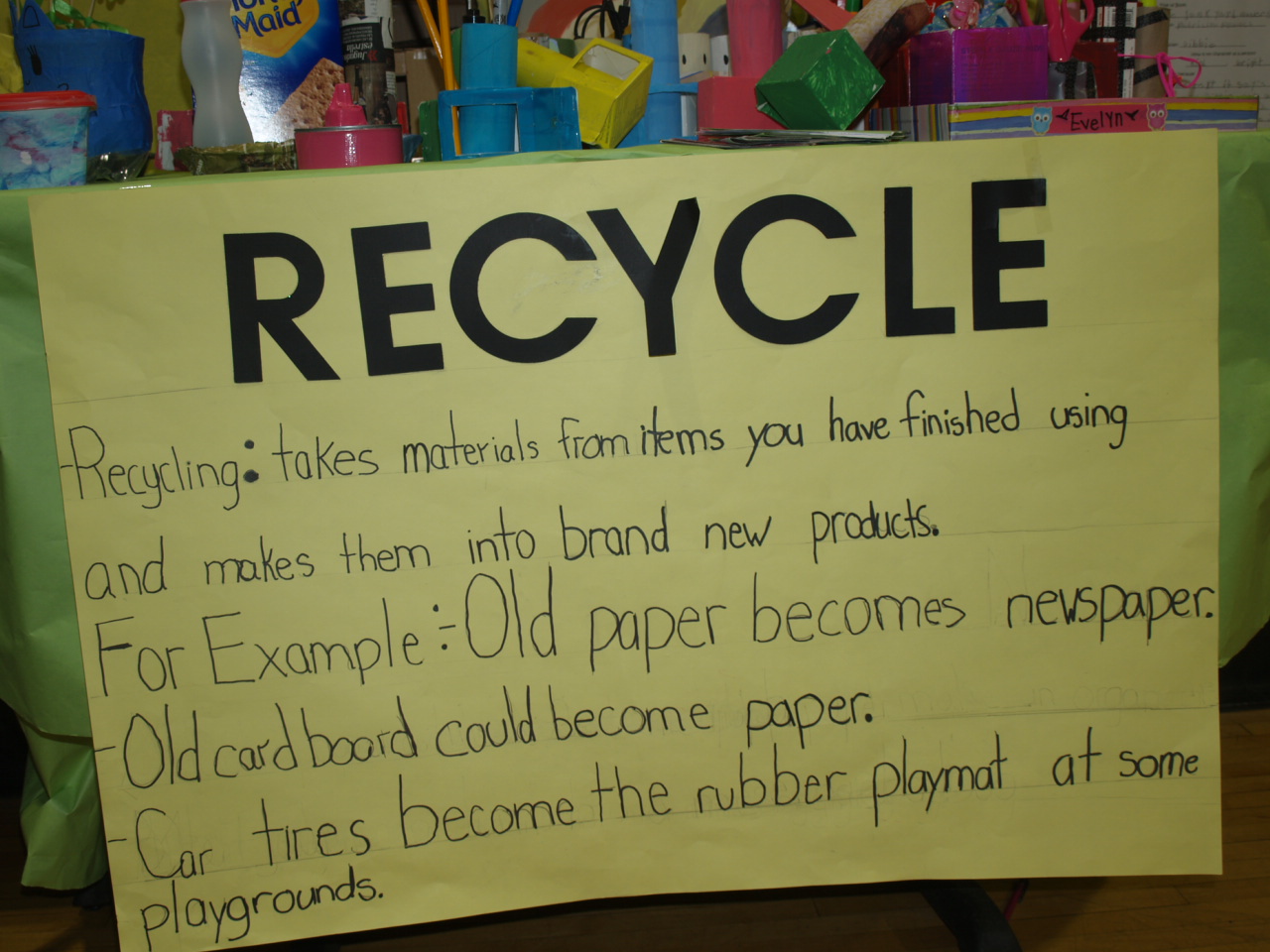
New Rochelle Columbus Elementary School students have truly internalized the Recycling Initiative. Ms Nunez 5th graders did a most fabulous booth covering the 3 Rs in such a wonderful comprehensive way.

OLYMPUS DIGITAL CAMERA

OLYMPUS DIGITAL CAMERA

OLYMPUS DIGITAL CAMERA

OLYMPUS DIGITAL CAMERA

OLYMPUS DIGITAL CAMERA


Journal News covering We Future Cycle Recycling Program at Ridgeway Elementary

On page 3A of the Sunday Dec 6th edition of the Journal News is a lovely article about the White Plains Ridgeway Elementary school’s recycling program.

Akiko Matsuda, the reporter that covers environmental issues  for the Journal News in Westchester County contacted We Future Cycle in August to find out more about the program. We had long conversations covering the beginnings, the challenges and the successes.  Akiko was hooked and ready to see the program in action.

Schools don’t easily admit reporters but Ridgeway Elementary School is so proud of its lunchroom that they were happy to share the good news.  Assistant Principal James Graziano is an enthusiastic supporter of the program and together with his fabulous head custodian Pedro Molino showed off his kids with a proud smile.

We Future Cycle is excited that this news coverage has raised awareness in the community that other school districts contacted us to find out more about the program.  Thank you Akiko and thank you Ridgeway students for showing off that you can make a difference.

Mamaroneck’s Middle School has Ribbon Cutting Ceremony for Rocket Composter

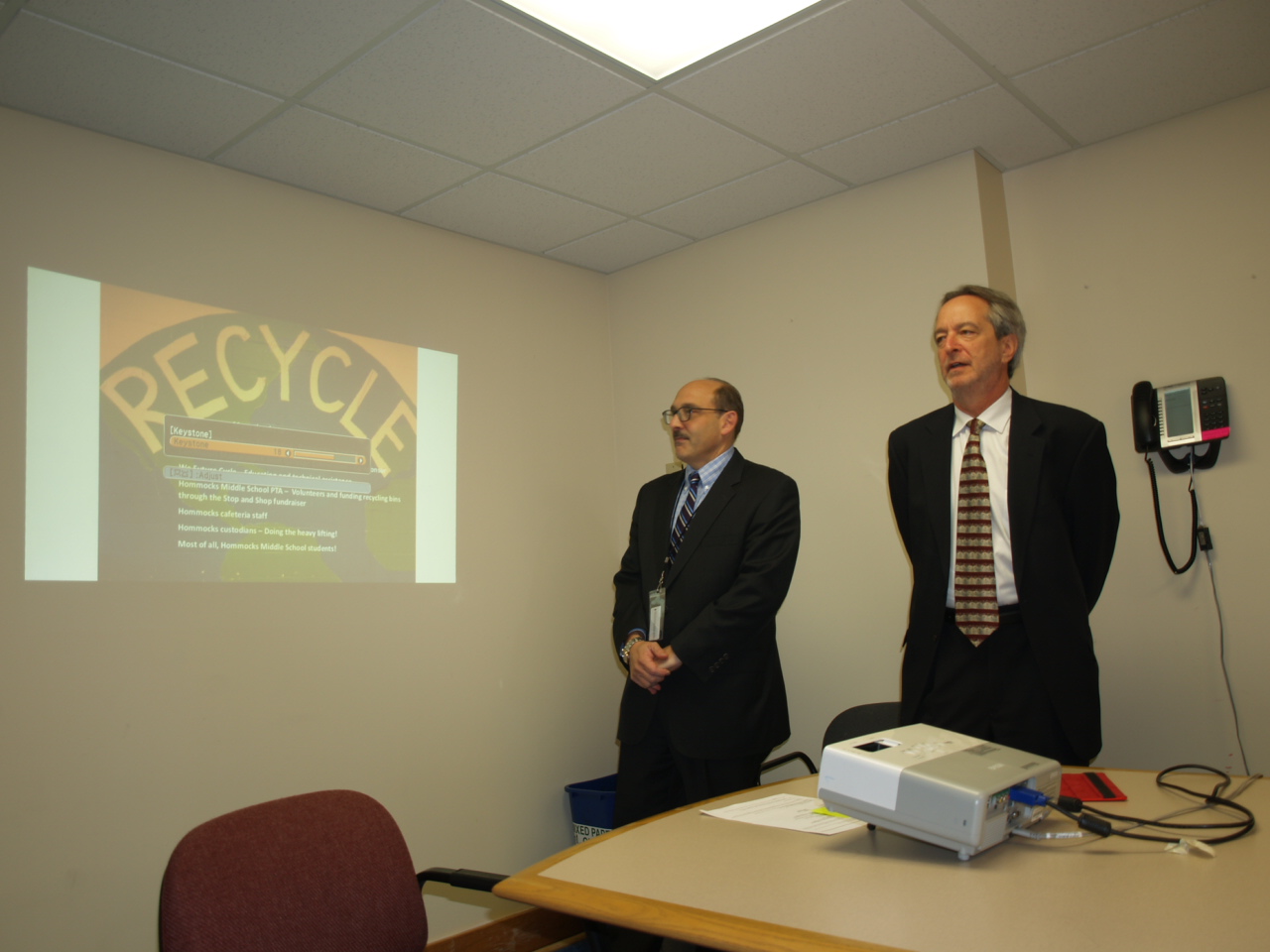
Dr Shaps and Dr Weitzman presenting the We Future Cycle Recycling Program

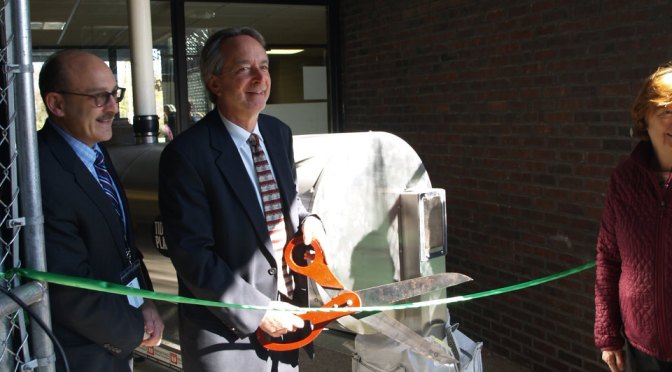
Larchmont and Mamaroneck’s Superintendent Dr. Shaps and Hommocks Principal Dr. Seth Weitzman proudly cut the ribbon to the first Rocket Composter at a Westchester public school.

Thanks to a generous grant of the Education Foundation, the purchase of this stainless steel machine that takes food waste and wood chips and 2 weeks later, compost comes out the other end, was made possible. After an additional 4 weeks of maturation, the compost will have finished its nitrification process and the compost can be used in the garden.

We Future Cycle was hired to do the program implementation as well as teaching students how to sort properly. The rocket is a picky eater, it only likes food.

Slide3The additional benefit of the We Future Cycle program is that apart from the food waste, also excess liquids, paper and commingled recycling are sorted out and sent into recycling streams rather then up the Hudson to be burnt as trash. A win win situation for all parties.

As a matter of fact, Hommocks is able to divert a whopping 86% of its waste into recycling or composting streams.

Mamaroneck’s Mayor Mr Rosenblum shared with a smile that his DPW guys already reported to him how much of a difference that makes.

Dr Shaps is very proud of Hommocks success and is looking forward to be implementing the recycling program in the other schools too.

We Future Cycle is proud to be helping with that as well.


Tackling Food Waste In School District Lunchrooms To Make A Difference

IMG_0284This is completely untouched food from just one lunch period in one school.

Before schools implemented the We Future Cycle Recycling program, this untouched food went unnoticed right into the garbage can.

unnamed (2)However, now as additional benefit to source separating in the lunchroom this food is sorted into a share basket, ready to be  consumed by either other children within the school during lunch, afterschool program or while being at the nurses office, or donating it to a local soup kitchen. Both is legal, safe and infinitely preferred over just trashing it.

We Future Cycle is often met with resistance when suggesting to donate the sorted out food. Standard practice in the school cafeterias is that if the milk runs out of date over the weekend, instead of donating it on Friday, it is being tossed on Monday, packaging at all.

Arguments given are that food service does not want to be liable should someone get sick when consuming donated food, or that it is illegal to donate tax payer sponsored food, or that it is too much work to organize the logistics around food donation.

As a matter of fact, it is not only legal, but also encouraged to donate the food. The Good Samaritan Act  holds any donor harmless and We Future Cycle will pair the school up with the closest local, health department vetted soup kitchen, that will come and pick up right after lunch. A complete Win Win situation for all parties.

Click to download and read the following:

And think about the social lesson to the children if they are involved in the process.

However, the best way to avoid untouched food waste is to teach the children (and their parents) about choices and how to refuse when they do not intend to consume a food item.

In the lunchrooms we see so many children dumping the lovingly made sandwich from mom right into compost, without ever taking a bite out of it. And off they go to stand in line at the snack desk to buy chips and ice cream.

I am sure there is a better way. Let’s tackle it to make a difference.


White Plains Church St Elementary School Nearly At Zero Waste

White Plains Church St Elementary School under the leadership of Principal Myra Castillo and Assistant Principal Merle Jackson have reached nearly Zero Waste  with only 3 lbs of trash from nearly 700 students in the lunchroom.  Outstanding!

Ms Castillo knew that this program can only work if all departments work together for a common goal. She allowed time for food service, facilities, teachers and teachers aids to be trained on why the We Future Cycle recycling program is so valuable for the social development of the students.

And both Ms Castillo and Ms Jackson are putting their money where their mouth is and are actively participating in teaching the students on how to sort.

OLYMPUS DIGITAL CAMERA
33 lbs of compostable trays sorted out

The system is easy. First the students empty their left over liquids into the bucket, sorting the container into either milk cartons or commingled, then all remaining plastic is sorted into commingled, all food waste and paper products are dumped into compost and the tray is stacked neatly. Done.

OLYMPUS DIGITAL CAMERA
42.5 lbs of compostable food waste

Church St had a whopping 76 lbs of excess liquid, a large bag of commingled, 2 large bags of milk cartons, 75.5 lbs of compostable material and only 3 lbs of trash, that is 1.7%. Nearly Zero Waste!

6 students helped with the weighing and counting. Thank you

Only the students that bring lunch from home in disposable packaging are contributing to trash. Non recyclable are chip bags, drink pouches, soft plastic wrappers, sandwich baggies, go go squeeze packaging and things along those lines. Next steps will be to actively involve parents to be part of the zero waste solution.

OLYMPUS DIGITAL CAMERA
Smiling head custodian Jody Raynor helping students sort

A huge shout out to Head Custodian Jody Raynor, whose support in this program is invaluable. He is being called  ” Mr Smiles” by the students.  Trust me, I am not making this up.  He does smile all the time, while helping the students to sort. Truly WAY TO GO!

Church St Elementary School is a prime example on how support by all departments can lead to something as fabulous as nearly zero waste.


White Plains Ridgeway Elementary School reduces garbage by 95%

White Plains Ridgeway Elementary school was chosen as one of the pilots to implement the We Future Cycle School lunch recycling program.

With enthusiastic support from Assistant Principal James Graziano  Ridgeway students learned  in assemblies that packaging is not trash but material for new things, they learned where the garbage goes when it is not sorted or recyclable, and they all agreed that they did not want to live next to a dump nor an incinerator. For good measures, they also agreed that animals probably won’t like living next to one either.

The custodial staff, under leadership of Pedro Molina, was super supportive, helping to set up the recycling station, going way out of their way to make the school a success. On Halloween a full bodied Batman was helping students at the recycling station. How fabulous is that!

Ridgeway had 124 lbs of waste of which only 6 lbs were actual trash, all other was either liquid, food waste, milk cartons or commingled recycling. A whopping 95% reduction. Now, that is truly something to write home about.

Ridgunnamed (5)eway’s parents came to “do lunch” with their children, helping to train the students in the new sorting system.  It takes active supervision and guidance to teach 700 students to sort and these parents were up to the task, fully supporting the efforts of the school to create a generation of kids that care.