Tag Archives: waste

Pelham’s Colonial School In The Pelham Weekly Newspaper For Making A Difference

Colonial Fifth Graders Challenge School To “Bash The Trash”

Colonial’s fifth graders recently challenged the school to “Bash the Trash” and go litterless at lunch, reducing the trash collected every day. Parents were urged to use recyclable containers for food and drink (containers that could be returned home, washed  and reused). At the end of the challenge, the fifth graders plan to tell the school how much the trash was reduced, based on data they collected. Their hope is to leave a “littlerless legacy” at Colonial when they graduate.

Please see full published “The Pelham Weekly” article here:

http://www.pelhamplus.com/news/schools/collection_b8f059da-ac9e-11e4-a787-2f29c82bf329.html

We Future Cycle and The Science Barge Teaming up for local Elementary school

We Future Cycle and The Science Barge are teaming up to bring environmental education and hands-on every day source separation to a local elementary school. The program is sponsored by the school’s PTA and championed by the principal.

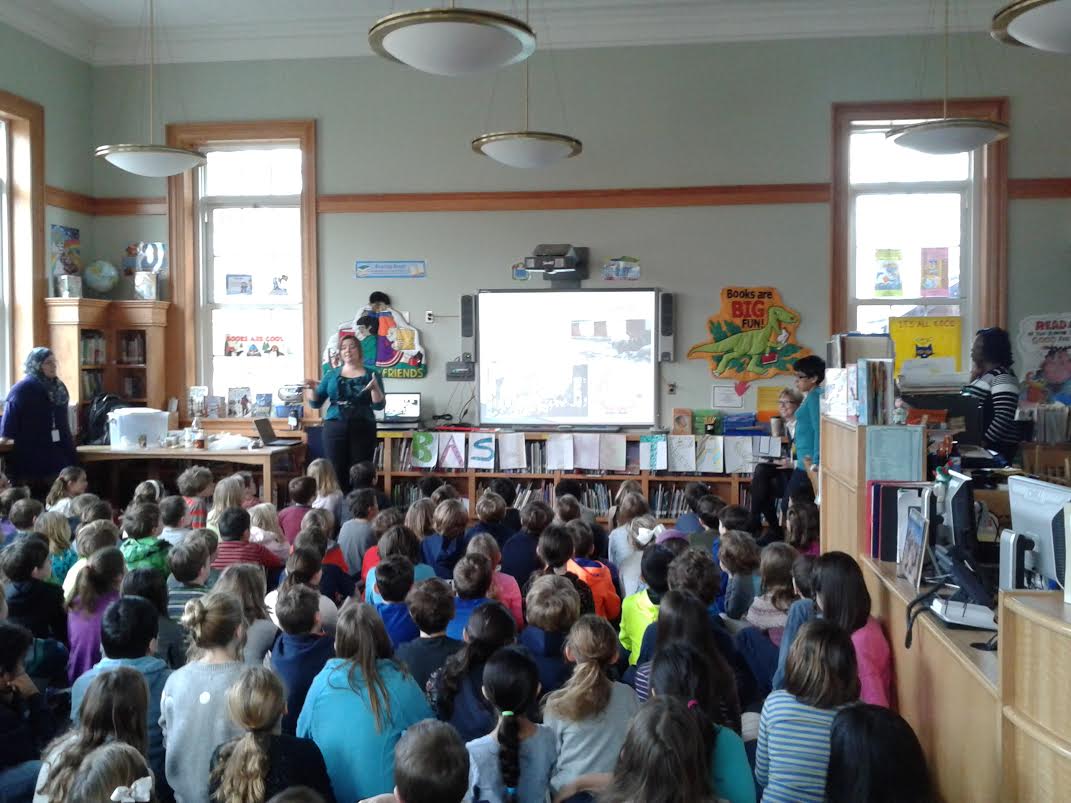
Jennifer Sloan, Director of Education of The Science Barge, gave the introductory presentation to the students.  Neatly sitting and attentive were 150 students ranging from Kindergarten to 5th grade, listening to the fascinating story of garbage through times.

Slide From Ms Sloan's presentation
Slide From Ms Sloan’s presentation

Did you know there were once “Piggeries” in New York? Pigs were kept in Central Park and were let out at night to roam the city and eat the garbage off the streets.  The kids were giggling to no end when the presentation included a cartoon piggy, um, leaving its own waste on the street, illustrating that pigs roaming the street may not be the best waste management solution after all!

Ms. Sloan very skillfully and with great energy combined science with social studies explaining what garbage is, why it is a problem, and how kids can be empowered to tackle this problem. It was heart-warming to see how attentive and engaged the students were to her presentation.

We Future Cycle guided the students through a Waste Audit as well as a Waste Analysis. Students counted, charted, weighed and identify what waste is being generated at school.

After establishing the current waste situation, the students helped setting up a recycling station to sort the materials into left over liquid, milk cartons, commingled, compost, trays and remaining trash.

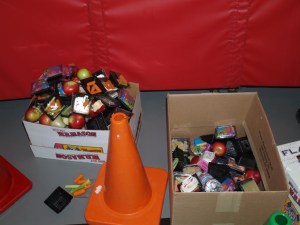
It was eye-opening for students and staff to see the mountains of untouched food sorted out, that was normally going straight in the garbage. In this sOLYMPUS DIGITAL CAMERAchool with 300 students, there were 63 pieces of fruit, 73 pre-packaged vegetables, 15 apple sauce containers and 3 milks completely untouched. We Future Cycle is now helping this school to donate this food to a local agency.

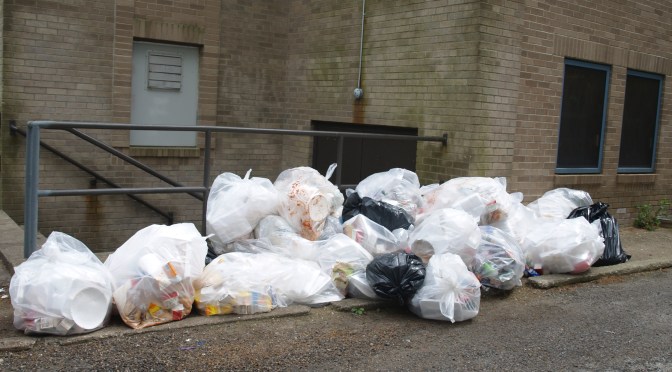
The wonderfully supportive custodial staff was all aghast to see that their usual 10 bags of garbage was reduced to 1/4 bag of loose softplastic anOLYMPUS DIGITAL CAMERAd single service wrappers. All the rest went into recycling, composting or reusable avenues.

The Science Barge, a Floating Urban Farm in Yonkers

Jennifer Sloan, Director of Education, The Science Barge, teaching students about garbage and recycling

We Future Cycle and The Science Barge are working together to bring Environmental Education to Westchester Schools.

Creating Change is all about showing alternatives. That is exactly the mission of the Science Barge in Yonkers.

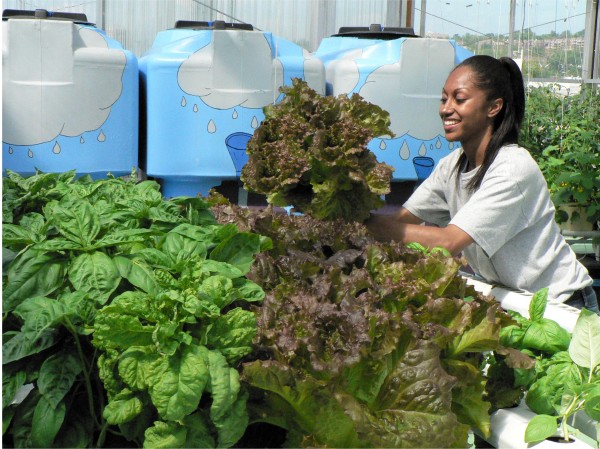
girl-with-Lettuce-600x449The Science Barge is a prototype sustainable urban farm developed by NY Sun Works and acquired by Groundwork Hudson Valley in October, 2008 to be operated as an environmental education center.

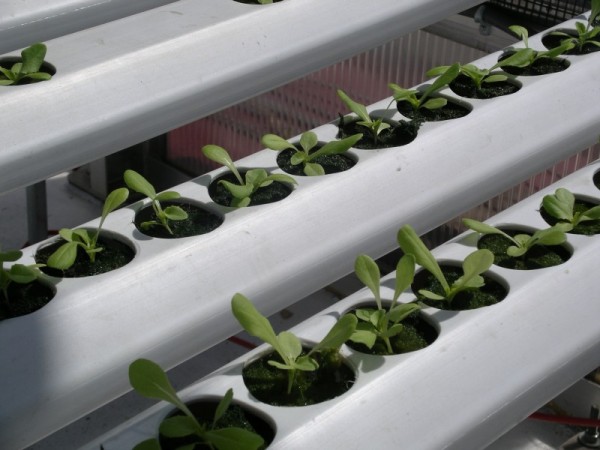
IMGP4719-600x450The Science Barge greenhouse, floating on the Hudson River, grows an abundance of fresh produce including tomatoes, melons, greens, and lettuce with zero net carbon emissions, zero pesticides, and zero runoff. All of the energy needed to power the Barge is generated by solar panels, wind turbines, and biofuels while the hydroponic greenhouse is irrigated solely by collected  rainwater and purified river water, thus operating completely “off the grid.”

It is the only fully functioning demonstration of renewable energy supporting sustainable food production in New York. It is now docked in downtown Yonkers just north of the Yonkers Pier.

Check them out, they are fabulous!

http://www.groundworkhv.org/programs/science-barge/


Environmental Goals for Westchester in 2015, let’s do this!

With 2014 being such an incredible year we are looking forward to 2015 and the positive change it can bring to Westchester schools.

My personal wish list for 2015 is

1. Implementing We Future Cycle’s School Lunch and Building-Wide Recycling and Composting Program to 10 More School Districts in 2015, even if it is just in one pilot school per district. Implementing these programs is very do-able, but working with experts is critical to ensure a successful implementation. Results will speak for themselves and that will hopefully lead to district-wide implementation in many Westchester School districts.

Just imagine, if one school reduces its garbage from 22 bags per day down to less then 1/4 bag per day, what kind of impact this will have if 10 more districts will join the program. And just imagine all those students going back home to their parents and sharing their enthusiasm to save the world.

2. Creating the First Leaf and Food-Waste Composting Site in Westchester. So far, only very few communities are composting their leaves, most are trucking them to Rockland County at great expense in fossil fuel consumption, labor and heavy equipment on our streets. So far, no community is doing larger scale, organized food waste composting instead nature’s valuable resource is treated as trash, plastic bagged and burnt. The good news is that several communities are now studying how to solve this problem. We are proud to be on the forefront with them.

3. Integrating Sustainability Education into Curriculum. We have done numerous environmental projects with individual schools such as green writing contests, waste free snack education, TerraCycle Ambassador programs, kindergarten recycling sorting games and it shows again and again, that when students are made aware early of their personal ability to create environmental change, that the ripple effect through the community is amazing.

2014….Giving Thanks To Great Opportunities for Environmental Change in Westchester

change-strategy-continuum2014 was an action-packed year for We Future Cycle. We are looking proudly upon multiple TV, radio and other news outlet coverage stories of the environmental programs that we offer.

We thank New Rochelle’s Interim Superintendent, Dr. Jeffrey Korostoff, for boldly going where no one had gone before by fully supporting the program and implementing it in all of New Rochelle’s Elementary Schools.

We thank Maureen Caraballo, Treasurer for Hastings-on-Hudson School District, for being the major force to bring the program to Hastings’ schools.

Greenburgh_cornerWe thank Paul Feiner, Supervisor of the Town of Greenburgh, for endorsing us to bring the program to all of Greenburgh’s school districts.

We thank the White Plains Sustainability Committee to endorse us and to recommend the program to White Plains schools. We are very pleased and excited to be presenting this program to the White Plains Administration in January.

OLYMPUS DIGITAL CAMERAWe thank the City Council of New Rochelle for endorsing We Future Cycle programs and for working with us to bring the first Food Waste Composting Site to Westchester.

We thank Joseph Carvin, Supervisor of the Town of Rye, for endorsing the program and affiliating with us. Mr. Carvin is also founder of the organization “One World, United & Virtuous.”

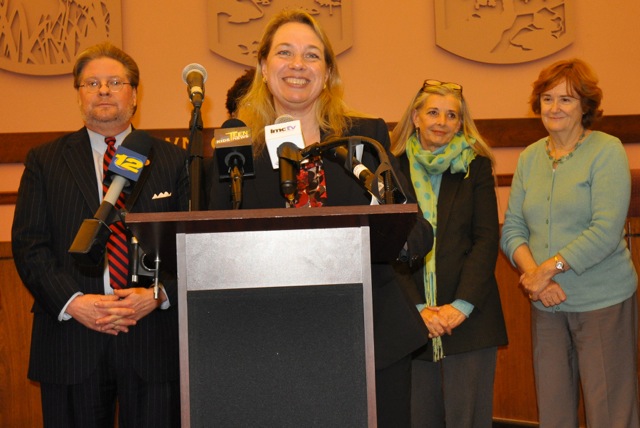
Parker-1We thank Catherine Parker, Westchester County Legislator and Chair of the Committee for Environment and Energy, for featuring our program at the Board of Legislators and the Westchester Environmental Summit, as well as  for her continuous and outspoken support. She is the major force behind creating a Westchester-based solution for food waste composting.

We thank the Columbia University Capstone Program for recommending the implementation of the We Future Cycle School recycling program as part of the Zero Waste Initiative to the Town of Mamaroneck, Village of Mamaroneck, and the Village of Larchmont.

We thank the Greenburgh Nature Center for offering a meeting venue to present the program as well as many other earth-saving and thought-provoking environmental presentations.

We thank County Legislator Sheila Marcotte and James Maisano for honoring us with a Proclamation for creating and implementing the program at New Rochelle Trinity School. New Rochelle’s Trinity Elementary School is truly a leader, one of the first schools to implement with an exceptional administration.

We thank the Pelham Sustainability Committee EcoPel for featuring the program and for their efforts to bring it to the Pelham schools.

We thank the Westchester Municipal Offcials Association for endorsing the program and bringing it back as recommendation to their communities.

We thank all the people that support us in our work to bring sustainability and environmental education into the schools as a daily learning experience, so we can raise environmentally-literate children.

Charles Kettering said these famous words: “The world hates change, yet is has been the only thing that brought progress.”  We could not agree more.

Larchmont /Mamaroneck Zero Waste Initiative Recommends We Future Cycle School Recycling Program

payt_epa_logoOn December 9th, 2014 representatives of the Village of Mamaroneck, Village of Larchmont and Town of Mamaroneck were listening to a very informative and well structured presentation by the Columbia  University Masters in Sustainability Capstone Program. The kick off was a presentation by Mitch Green, Town Liaison, explaining how this presentation came about and thanking the Capstone team for choosing Larchmont/Mamaroneck as their project.

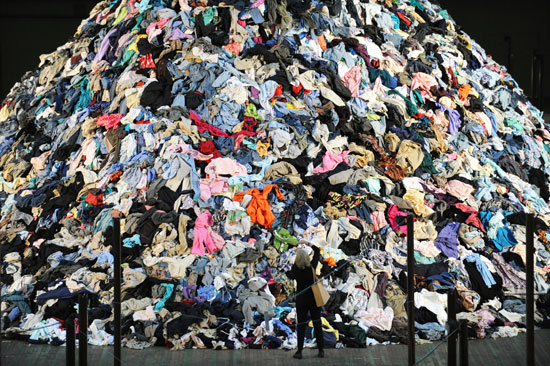
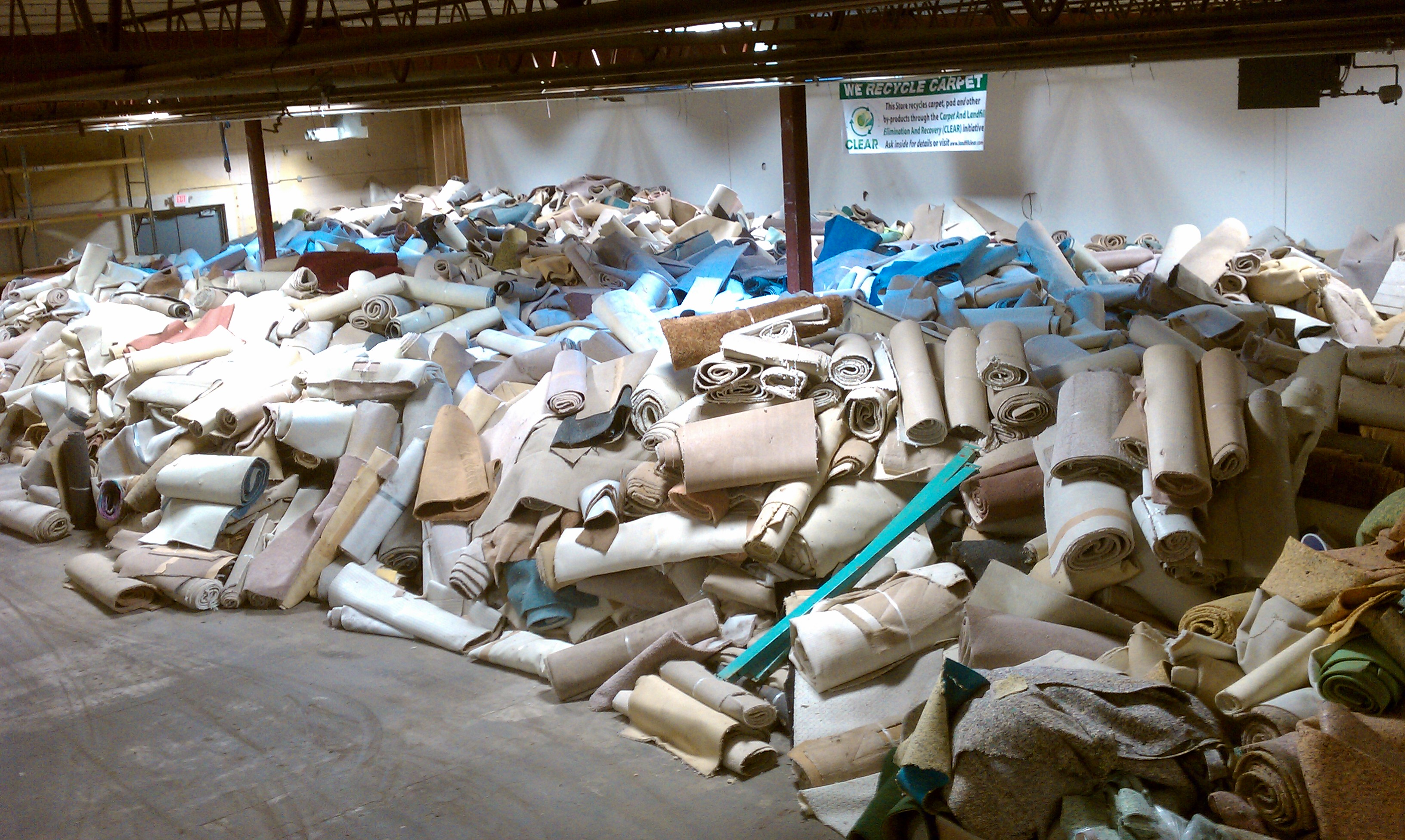
0514_boltanskiThe team then laid out the “have and have nots” of the towns, slides showed the percentages of yard waste, curb side recyclables recovered, as well as total garbage collected.  The towns are already exceptionally well positioned with a 63% recycling rate, which is the combination of yard waste and curbside recycling. The goal however is getting to 90%. The team showed several areas of opportunity, which are comprised of textile recycling, food waste composting, “Pay-as-you-throw” and getting the schools involved. carpet-waiting-to-be-recycled

The team outlined that schools and the children within them are the key to changed behavior and their recommendation is to get the We Future Cycle Program into the schools to start that process. Parents learn from their children, as much as the other way around.

The 100+ page report will be posted as soon as it becomes available.

Student Lunch Contributes to Global Warming

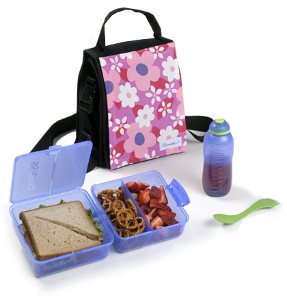
About 18% of elementary school sandwiches are wrapped in Aluminum foil. This data came from a survey in a New Rochelle Elementary School lunchroom. Every child was surveyed on how its lunch was packaged. aluminum-can-life-cycle

We found of the 850 children surveyed, about 55 % brought lunch from home, the others bought lunch in school.  That is about 470 children. Only 6% of these children were completely waste free, meaning they brought all food and drink in reusable containers. Another 16% had some sort of reusable container, either a bottle or a sandwich box , 18% had their lunch wrapped in aluminum foil, of which half had that aluminum wrapped sandwich again in a small plastic bag.  So close to 80 sheets of aluminum were used every day in just one school.

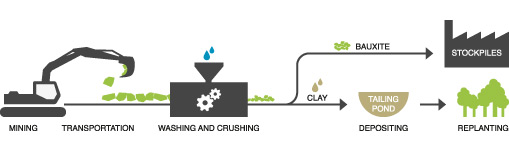
Let’s look at what Aluminum is and how it is mined.

map_enAbout 7 percent of the earth’s crust is aluminium, making it the third-most abundant element after oxygen and silicon. Aluminium production starts with the raw material bauxite.

Bauxite is a mineral found mostly in a belt around the equator. Bauxite, containing 15-25 percent aluminium, is the only ore that is used for commercial extraction of aluminium today.

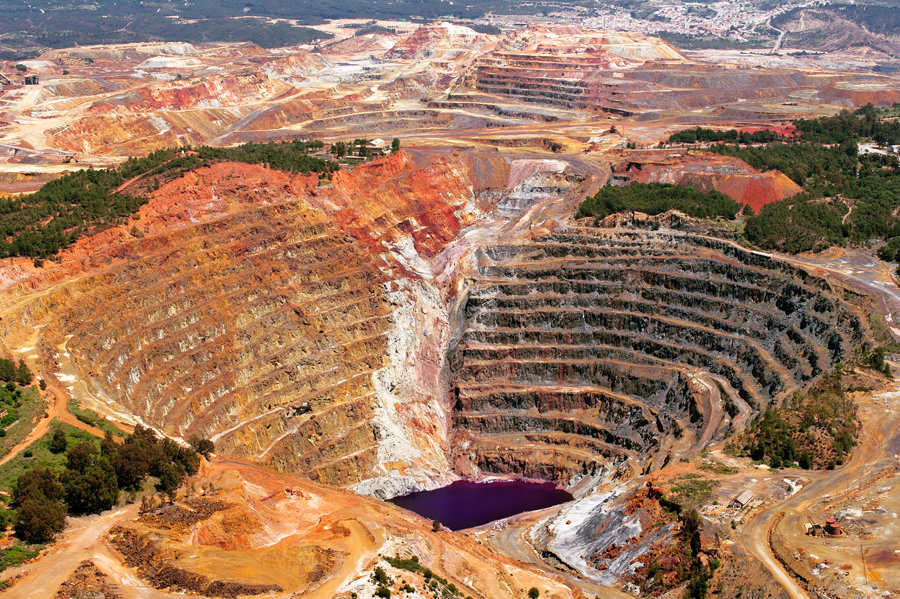
mineThe bauxite occurs mostly in the tropics, in horizontal layers normally beneath a few meters of overburden . The layers are usually mixed with various clay minerals, iron oxides and titanium dioxide. It is the iron that gives bauxite a deep red color.

This is the process of mining.

bauxite_mining_6

Industry claims that it is mitigating the devastating effects of strip mining huge surfaces, but evidence is ample that mitigation as well as environmental control during mining is lax or non existent.

abandoned mine color

Tailing ponds is another source for environmental problems.

image002


75% of all Aluminum foil used in the US is for single use food  wrapping, and ends up in landfills.

So your child’s sandwich can contribute to global warming.  Maybe there is a better solution?

1248885457491-573011374


Why food composting can save Westchester’s taxpayer money, big time!

Food waste is around 40% of all waste from households, it is made up of mainly water, thus it is heavy. Garbage cost is calculated by weight. So all this water is costing the tax payer dearly.

Westchester’s garbage is being collected by the municipalities, brought to one of the several transfer stations within the county and from there it is transported in big trucks to the incinerator in Peekskill.

So basically, we are using fossil fuels  (garbage trucks get about 2.6 miles per gallon of diesel fuel) to truck water 50 miles north?

The far better solution would be to sort out all that water laden food waste and actually compost it.  Combine food waste with yard waste and  nature will give us black gold, aka compost.

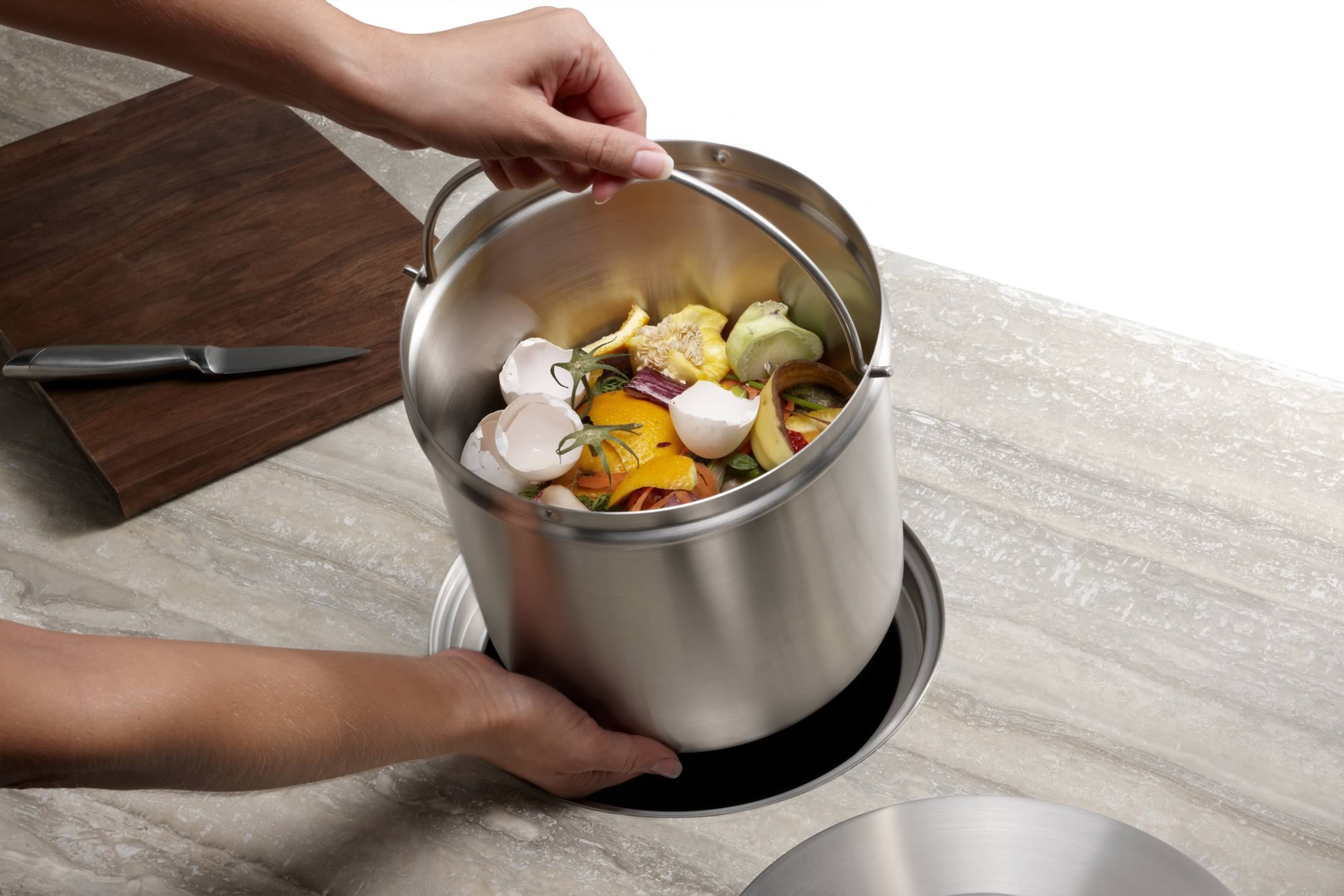
The absolute best way is to do it right at home. Solon-Compost-Bin-4Have a little bin next to your sink and sort out all your food waste (no bones or meats though, home composters can’t handle that, commercial ones can)

And place that food waste in a ratio of 1 food waste to 3 leaves or woodchips into a composter. It can be a home made one, compost-4-940x626

or a commercially available one like these. And the rest is done by mother nature. Turning the mixture once in a while will introduce oxygen and thus help the bacteria to do a more efficient job. Earth_Machine_close

A few weeks later you will have lovely compost that can be used in your garden.

Most people are afraid that composting will be smelly or attract rodents. With all in life, if it is done right, there is none of that.