

What happens to the food waste that New Rochelle students are sorting out in the lunchroom to be composted? How does composting work and is it really worth the effort? Those were questions that New Rochelle Trinity 5th graders are learning the answers to.
We Future Cycle, a not-for- profit organisation specialized in large scale sustainability programs has been working with Trinity Elementary school and its 1000+ students for years now. Source separation and words like commingled and compost are second nature to these kids.
In classroom presentations, students learned what happens to food that is put into a landfill, they learned about harmful Methane as potent green house gas and large contributor to global warming and they learned about the chemical processes that take place inside a compost pile. Giggles and audible gasps were heard when they learned that each one of them is a decomposer as the banana that might go into their mouth does not come out quite like a banana again.
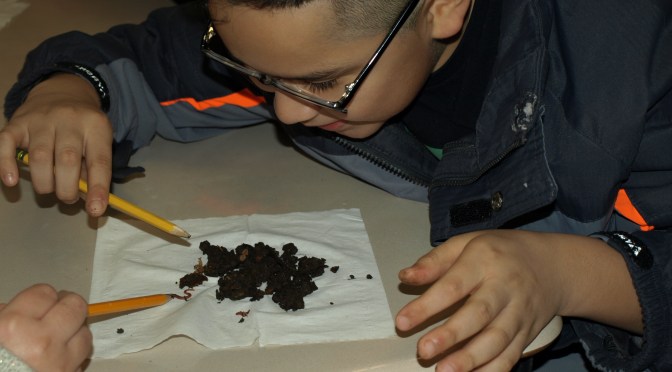
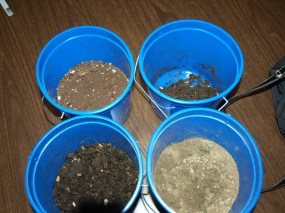 The best part was digging in the dirt as they got to examine up close and personal four different soil samples. Inspecting them while looking for color, texture, water retention capabilities and organic matter content gave them a deep understanding of the connection between healthy soils and its ability to grow food.
Each worm they found was greeted with cheers and great enthusiasm.
Trinity’s 5th graders have learned now that treating food waste as garbage is wasting a valuable resource. Making compost from food waste and leaves is making black gold, and it saves a lot of money.
For more information:
Why food composting can save Westchester’s taxpayer money, big time!

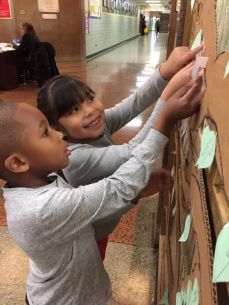
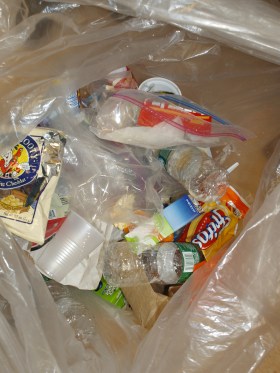 Even kindergarten students, when presented with a picture of the packaging waste of classroom snack knew immediately that most of that food belonged into the category of junk food. When asked if that food was healthy for their body, they all enthusiastically replied “no”. They listed the commonly known reasons on why not to eat junk food, even the littlest ones knew the connection to obesity, diabetes and dental decay, amazing.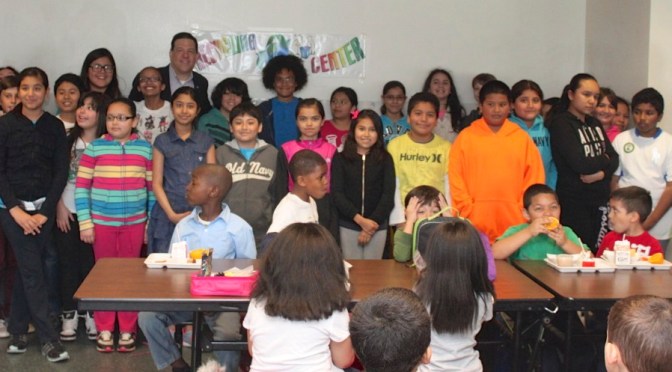
 A regular lunch trash bag is a 55 gal 1mm thick trash bag. A school with 600 students generates between 13 to 20 bags of trash every lunch, each weighing around 12 -15 lbs, which means 333,333 bags of trash are burnt every day. That is an unfathomable number. I cannot even wrap my head around what kind of volume that represents. And that is just Westchester.
 And New Rochelle Trinity students are drastically reducing their lunch waste by sorting. Out of 266 lbs of waste, only 4.5 lbs were non recyclable.
 We Future Cycle