
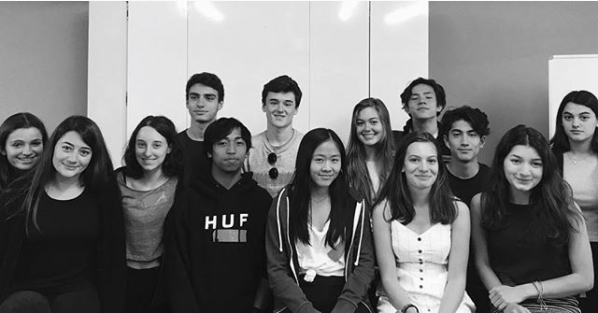
This spring, a class of sophomores at Avenues: The World School in Manhattan, New
York City, studied and researched the detrimental effects of carbon emission and plastic waste.
The excessive plastic waste that humans generate can have many devastating consequences, from contaminating various bodies of water and harming wildlife, to polluting beaches and negatively affecting human health. Avenues’ Class of 2020 sought to make an effort to spread awareness about this issue and, ultimately reduce the waste that humans generate in their daily lives. In order to accomplish this goal and actually create a change, students decided to focus on a specific aspect that could be changed — one that is realistic, familiar and tangible.
This involves the excessive plastic consumption by New York public schools when serving lunches to students. Specifically, the target was attempting to eliminate the usage of Styrofoam trays in school cafeterias, incentivizing schools to use compostable materials instead. Styrene, the main component of polystyrene, is classified as a potential carcinogen by the United States Environmental Protection Agency and the International Agency for Research on Cancer. The material can take up to one million years to decompose in a landfill — making it a primary pollutant, especially since the material often leaks into water, where animals ingest the dangerous chemicals that polystyrene effuses. New York City public school systems consume approximately 850,000 single-use polystyrene trays per day and every one of those trays negatively affects the environment.
Thus, Avenues students believed that a necessary measure to take was to promote the
usage of compostable trays, which decompose into a natural environment without leaving any traces of toxicity in the soil and have no adverse effects on the planet, rather than Styrofoam.
Many efforts to reduce polystyrene usage have already been made in school districts across the United States, having beneficial effects. Polystyrene was initially outlawed in New York City in July 2015, but this ban was then overturned, backed by one of the largest manufacturers of polystyrene containers: the Restaurant Action Alliance and the Dart Container Corporation.
However, it was reinstated in November 2017, as part of an effort to reach Mayor Bill de
Blasio’s One NYC zero-waste goal by 2030. Avenues sophomores hope to spread this initiative to the rest of New York, beyond the confines of the five boroughs of New York City.
After deciding to reform the process by which school lunches are packaged and served to
students in public schools in order to help make New York more sustainable, the class composed a legislation that incentivized schools to stop using non-biodegradable trays to serve lunches and replace them with those that are compostable. This was achieved by imposing a 5% tax deduction for school lunch that is served using compostable materials. The legislation created by the students states that the deduction will decrease by 1% every year for the first five years that this law is in place, thereby creating an incentive for schools to use compostable materials sooner rather than later.
This legislation, which was subsequently referred to Paul D. Tonko, U.S. Representative of New York’s 20th congressional district, presents a realistic way to become more environmentally conscientious and reduce excessive generation of non-compostable waste.
The protocol described by the legislation, which aims to take effect on the first day of
August 2018 (prior to the start of the 2018-2019 academic year) aims to further efforts that have already been taken to promote sustainability and permanently force all schools to use biodegradable materials at all times — thereby decreasing their carbon footprints altogether, rather than using harmful, non-compostable materials. Prior to writing the actual bill, the team at Avenues researched ways to make a difference, contacting New York public school districts and inquiring about their lunch policies and, specifically, whether they served lunches on Styrofoam trays. Depending on their district, the policies to which schools adhered seemed to vary slightly and many schools seemed to be moving away from Styrofoam trays in their cafeterias, although some still used them.
For instance, students spoke with representatives from every public school
district in White Plains, Rye and New Rochelle, New York and each had implemented a program to only use biodegradable materials in their lunches, rather than plastic which is used in public schools throughout much of the United States.
Each of the districts credited their program to We Future Cycle, a 501c3 charitable organization that guides public school districts in New York towards sustainability and encourages them to generate as little excessive waste as possible, in a conscious effort to, “create a generation of children that are actively involved in recycling and take responsibility for their daily actions,” as their mission states. Instead of working with local congressmen and the government, We Future Cycle contacts each individual district and works with schools to determine feasible ways to reduce waste generation in daily life, such as the processes of vermiculture and teaching children and parents how to pack waste-free lunches. The organization establishes partnerships with others who have developed programs to “bring otherwise non-recyclable items into reusable channels.” Furthermore, We Future Cycle strives to teach students to be responsible and informed consumers, by offering several educational programs directed towards a variety of ages. The founder of this non-profit, Anna Giordano, stated that she started this organization after she witnessed the excessive amount of waste created by her children’s school and suddenly became aware that she needed to take action.
Today, forty schools in Westchester, New York participate in We Future Cycle and
several organizations in the area endorse the charity, or are affiliated in some way. This number is steadily growing as its outreach expands.
We Future Cycle hopes to empower students, the future of the United States, to become leaders in their community and have their voices heard.
The organization implements these beliefs in children from young ages, so that by the time they are older, they are environmentally-conscious and able to truly make the world a better place in the long-term. Organizations like We Future Cycle and the Avenues sophomores are collaborating to continue their missions of spreading awareness about climate change and the threats of pollution.
As these issues becomes more prevalent in society every day, it is becoming increasingly
important to be informed. In doing this, more opportunities are being created, creating grounds for case studies on these issues in the future. These organizations illuminate that major changes are not what is necessary and, small-scale lifestyle changes such as recycling scrap paper, bottles and cans, or composting leftovers, can actually make a world of difference.
If people are to recognize the extent of the damage that excessive waste generation causes to the environment and themselves, they are more likely to revise their daily routines to become more environmentally-conscious and begin to think, rather than carelessly discarding materials into a landfill where they will remain for millenia. For further information on ways to become more environmentally-conscious, explore We Future Cycle’s website and to learn more about Avenues’ Class of 2020 and their work in forming their own legislation to help the planet, click here.
~ Isabel Mudannayake and Angelo Orciuoli, representatives of the Avenues’ Class of
2020
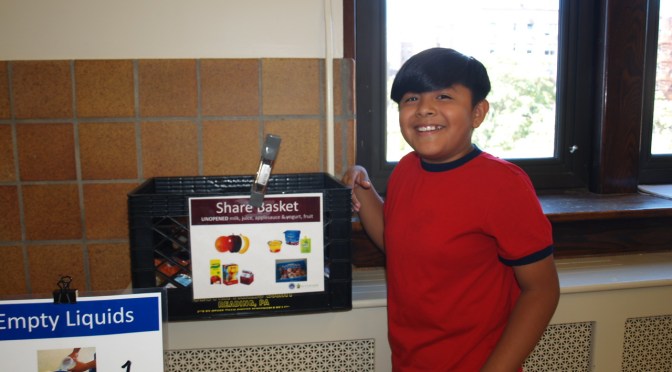


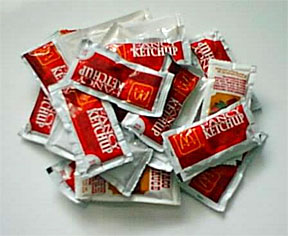 Individual ketchup pouches are an environmental nightmare in school lunchrooms. The students tend to take them by the fistful, they are fun to step on, and they always end up in the source separated food waste as contaminant. So, why is it so difficult to get rid of them?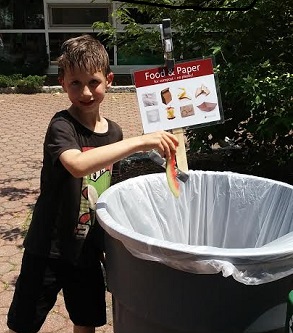
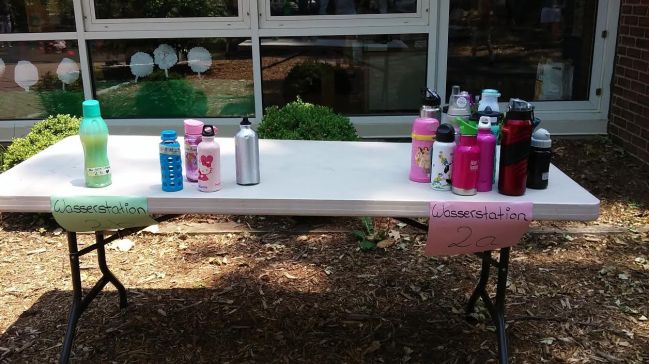

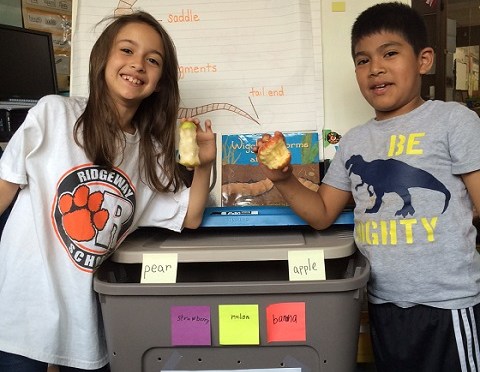

 Under the leadership of Deatra Bailey, 2nd grade teacher at Barnard, students are combining lessons of economics with being environmental. To raise money for reusable sandwich pouches as part of the ongoing effort to cut down on single serve packaging that ends up in the trash, Students are selling healthy snacks taking turns to be the cashier or accountant of the operation.
 Barnard is now sporting a veritable forest of trees.
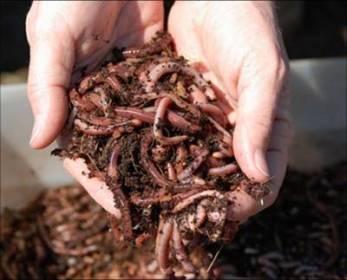 Meet the new “friends” of Ridgeway’s Ms. Vendola’s second grade. Eager students learned all about the wonders of worm composting, or technically called Vermiculture.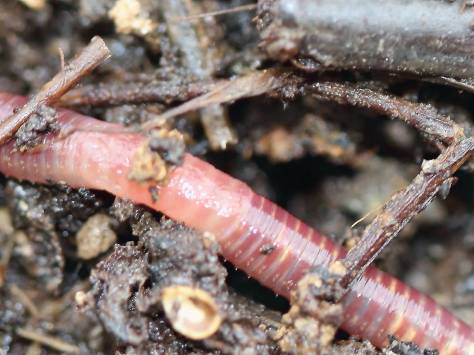

 Students from K through 2nd Grade are carefully walking the blue classroom compost pail to the school courtyard that houses a lovely learning garden, a greenhouse with the first projects budding and a nice compost tumbler.

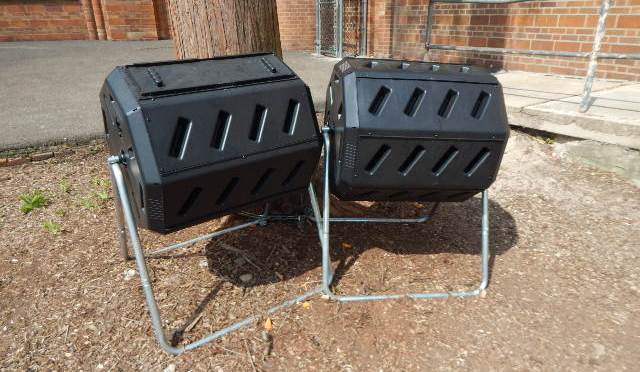
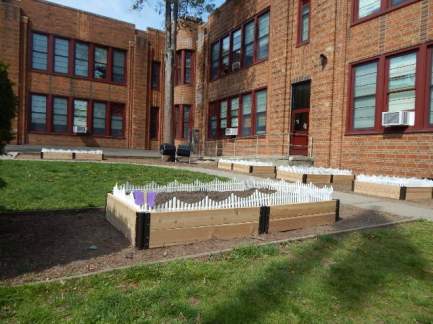 Jefferson Elementary School has partnered with the Manhattanville College to become even greener. Under leadership of Maia Starcevic and Aimee Ferguson, proud recipients of the exclusive Science Wipro Grant, and in cooperation with the Manhattanville College fabulous raised beds were built right at the front playground.
 Everyday at snack, the students will put all healthy snack waste into a little blue bucket instead of into the classroom trash bin. That blue bin is then carried into the courtyard and emptied into the composter. Students can see how decomposition takes place over time, and they realize that there is nothing yucky about composting. Each time they bring snack without creating garbage, they are rewarded with a leaf, that will then be proudly pasted to the “Jefferson feeds the Garden” Tree right outside Assistant Principal Ms Bruno’s office.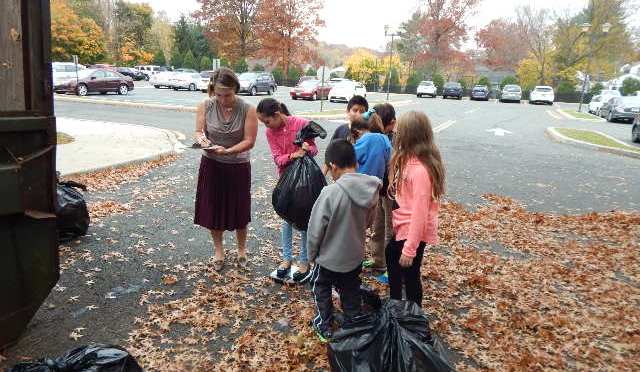
 We Future Cycle