
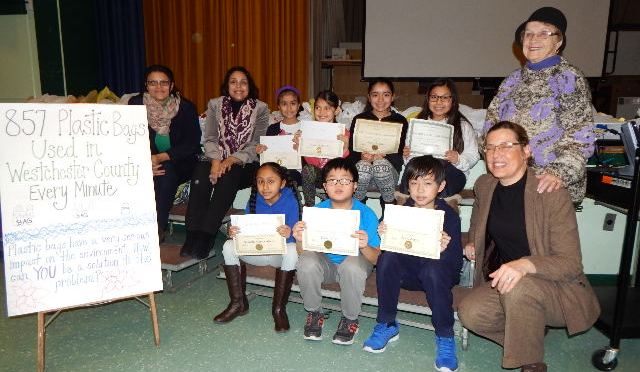
New Rochelle Columbus Students are diving deeper and deeper into sustainability education and they are loving it.
We Future Cycle in collaboration with the St. John’s Episcopal Church on Wilmot Rd in New Rochelle sponsored a “How Do Plastic Bags Affect Our Environment” Research Essay Contest, open to 4th and 5th grade students.
Science Teacher Elizabeth Zahn taught in Science Lab the life cycle of plastic. Students learned that it took millions of years for minerals to be compressed to become oil, which is the basis for plastic production, whereas it only takes 3 seconds to make a plastic bottle. And this plastic bottle will take 1000 years before it goes away.
Ms Zahn skillfully walked the students through the realization, that saying it takes 1000 years to go away is really a way to say forever. And that is truly what it is, plastic will NEVER biodegrade, it only photo degrades into smaller pieces of plastic that make it into our food chain and are impossible to clean up.
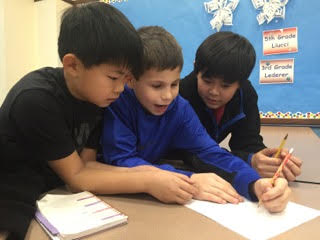
Students researched the topic, wrote an essay about their findings and the judges Irene Schindler and Jennie Talley had a hard time choosing the top 8 entries among the record breaking 90+ participants. Nearly all 4th and 5th graders took the opportunity to enter. They knew from last years writing contest that Cash could be won!
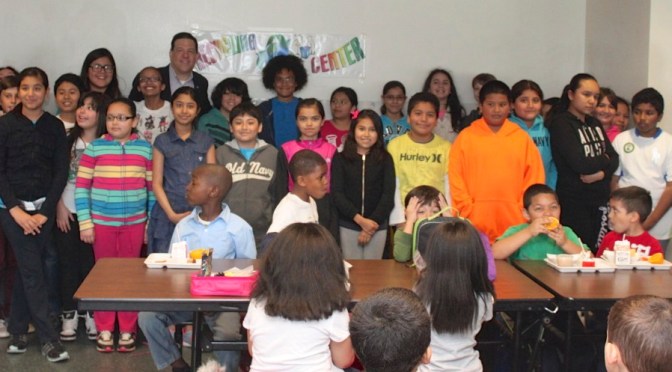
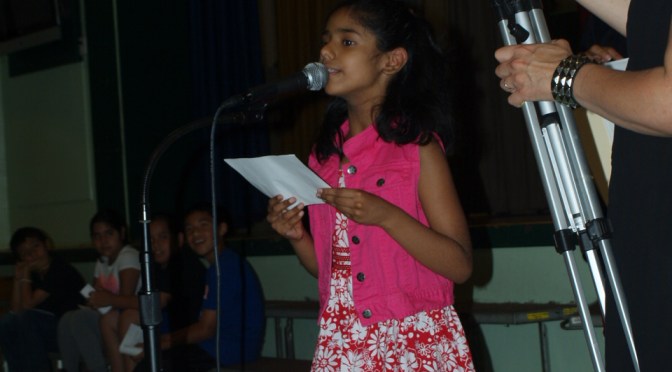
 Ms Nunez, Principal shared nuggets of wisdom from each winner’s essay with the applauding crowd and the students were very proud to receive their certificate and envelope, get a hug from Ms Owens, AP, and have their picture taken.
“Did you know that only 5% of plastic is actually recycled, the other 95% is in the streets or the sea. Plastic bags are not the best choice to go shopping. THey end up in the sea, harming marine animals. And this is happening because of us!”
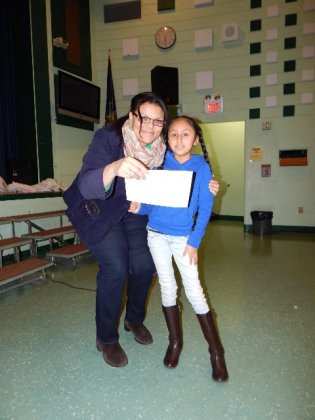 Naydelin Garcia Alonso, (5th Paradiso) understands that it takes all of us to solve this problem.
“Have you ever seen plastic bags stuck in trees or polluting oceans, lakes and rivers? Well, they got there by people throwing them out in the garbage or littering. How are we ever going to help the Earth? We all need to do our share to help”
” People and companies have been putting profit, laziness and convenience ahead of public safety. Companies don’t care about public safety and what’s good or bad for the environment, they just care about making money”
“Even though the world is already polluted as it is, we can still make a difference. Recycling correctly instead of mixing up trash and being lazy. Volunteer for shore cleanups. Don’t think your help doesn’t make a difference, because if everyone thinks that, nobody will decide to make a difference. Even the littlest thing, like using a reusable bag instead of a plastic bag will make a difference”
 Valerie Schellenbach (4th Watkins) was blown away by the sheer number of plastic bags every year, and she shares :
“We Americans use between 500 billion and 1 trillion plastic bags per year. Did you know it takes 1000 years for plastic brake down, and only 1% of bags are recycled? All this misuse of plastic is causing severe pollution to the environment”
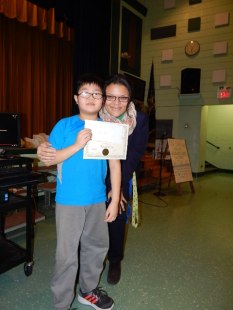 Darien Chen (4th Guadanini) understands that every little bit helps, and what might look small for us, is a big thing if everybody does it.
“There are many negative impacts in the environment by plastic bags. Plastic bags harm the world and the living things. It is very important that we reduce, reuse and recycle. This may be a small thing, but it benefits the world that we live in”
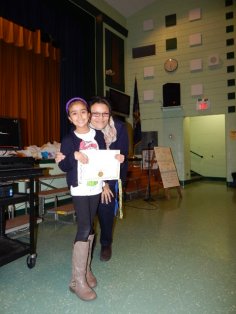 Mia Torres (4th) has done some research on the long term effects of our current consumption projectory and she encourages all her classmates to let their voices be heard. You go, girl!
“Scientists predict that if we don’t start caring for our oceans that by 2050 there will be more plastic then fish in it? But you can make a difference by instead of plastic bags use reusable one. Make your family well aware of the issues and see if you can help out in any way by reducing, reusing and recycling.”
“All over the world we are having problems. The entire eco system is at risk. All because of plastic bags, that are thrown away. Thrown away but never gone. Did you know that each time you litter, you throw away money? “
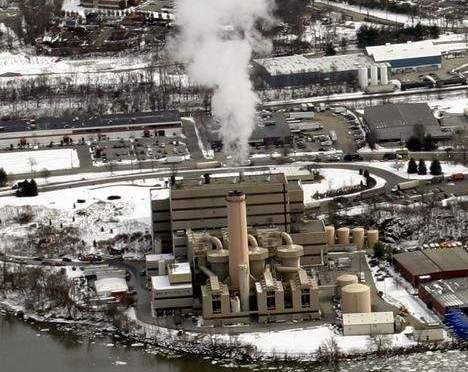
 A regular lunch trash bag is a 55 gal 1mm thick trash bag. A school with 600 students generates between 13 to 20 bags of trash every lunch, each weighing around 12 -15 lbs, which means 333,333 bags of trash are burnt every day. That is an unfathomable number. I cannot even wrap my head around what kind of volume that represents. And that is just Westchester.
 And New Rochelle Trinity students are drastically reducing their lunch waste by sorting. Out of 266 lbs of waste, only 4.5 lbs were non recyclable.
 We Future Cycle is so proud to be featured in the National Kids Science Magazine called DoGoNews. How cool is that!

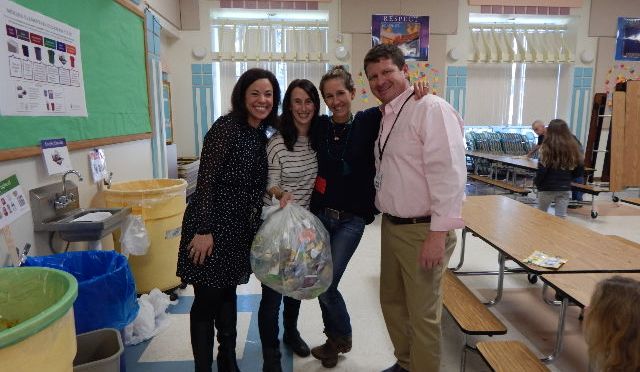
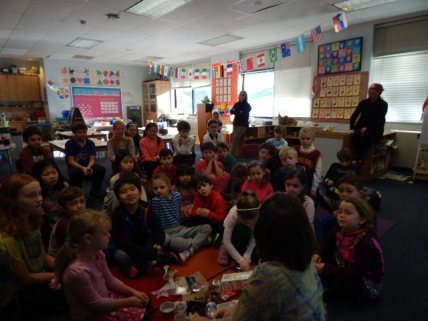
 In the lunchroom the newly installed station was put into action, and despite the most challenging of lunch menu days, which is brunch for lunch with syrup containers, the students pulled off a flawless sorting.

 New Rochelle ‘s Daniel Webster Elementary School under the leadership of Melissa Passarelli and Greg Middleton has just moved back into their building.
 Learning to identify materials and realizing that one just needs to put them in the right bin for them to be recycled was easily understood. Webster students all pledged to make a difference and they put that pledge to the test at the newly rolled out lunchroom recycling station. Three 5th grade students helped us to do a waste audit afterwards, and we had a wonderful helper at the station teaching her fellow students, especially the little ones. Thank you, Webster Students.
 New Rochelle Columbus Elementary School celebrated its Red Carpet Affair on Thursday evening. Students walked on a red carpet, donned in their finest to the auditorium to see themselves on the big screen.

 Just like at the Oscar’s the “actors” were interviewed to share their thoughts. Proud students were either the interviewer or the interviewee, asking questions about what the students have learned from the on-going recycling program in their lunchroom, how their parents made differences in their households, now that the students learned about recycling. The answers were heartfelt and sincere. Clearly, Columbus students know that their actions count and each and every one can make a difference.


 We Future Cycle