Anybody for some Christmas Tree ornaments made out of Nestle Nespresso cups?
How how about a gorgeous piggy bank?
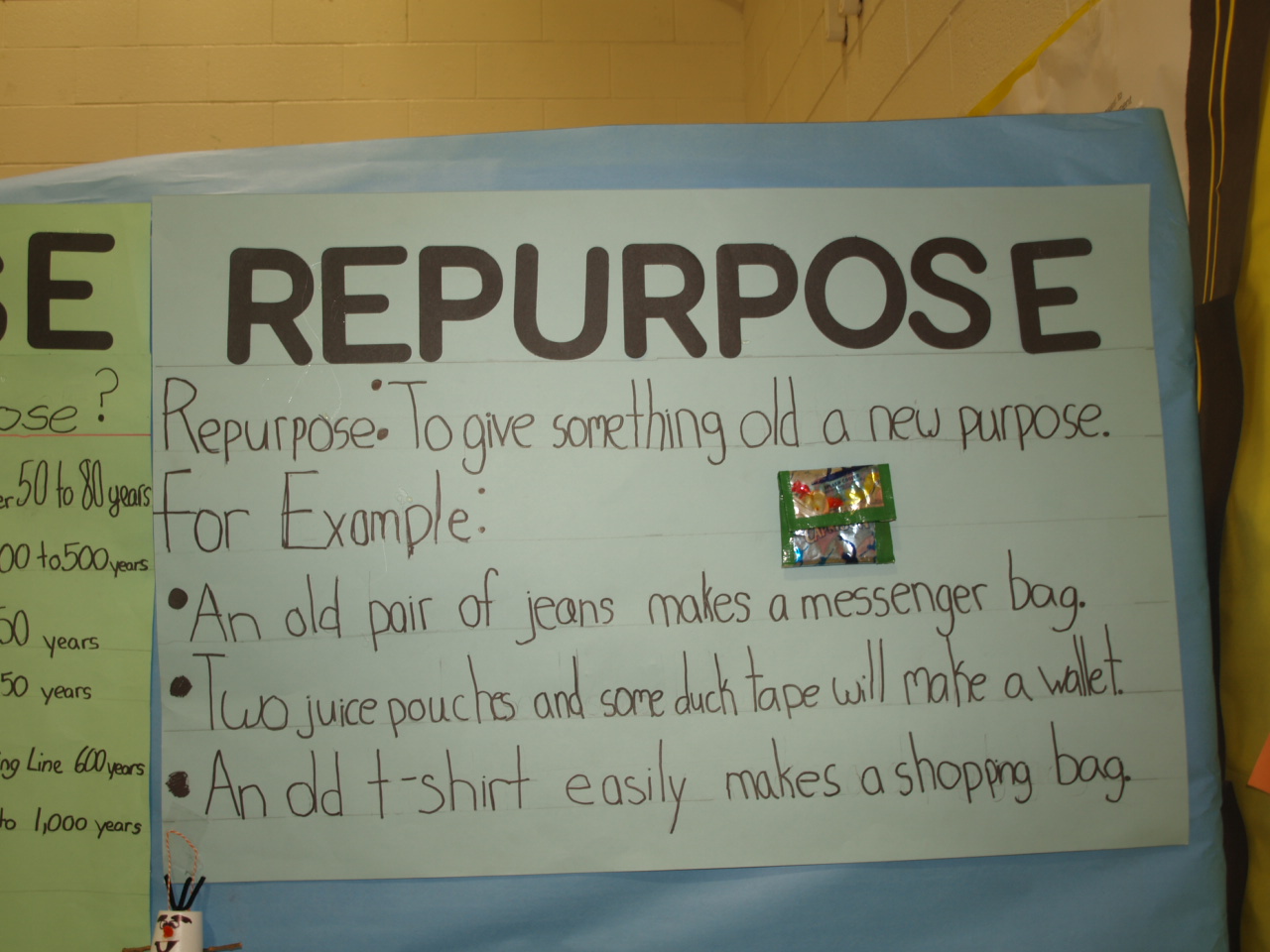
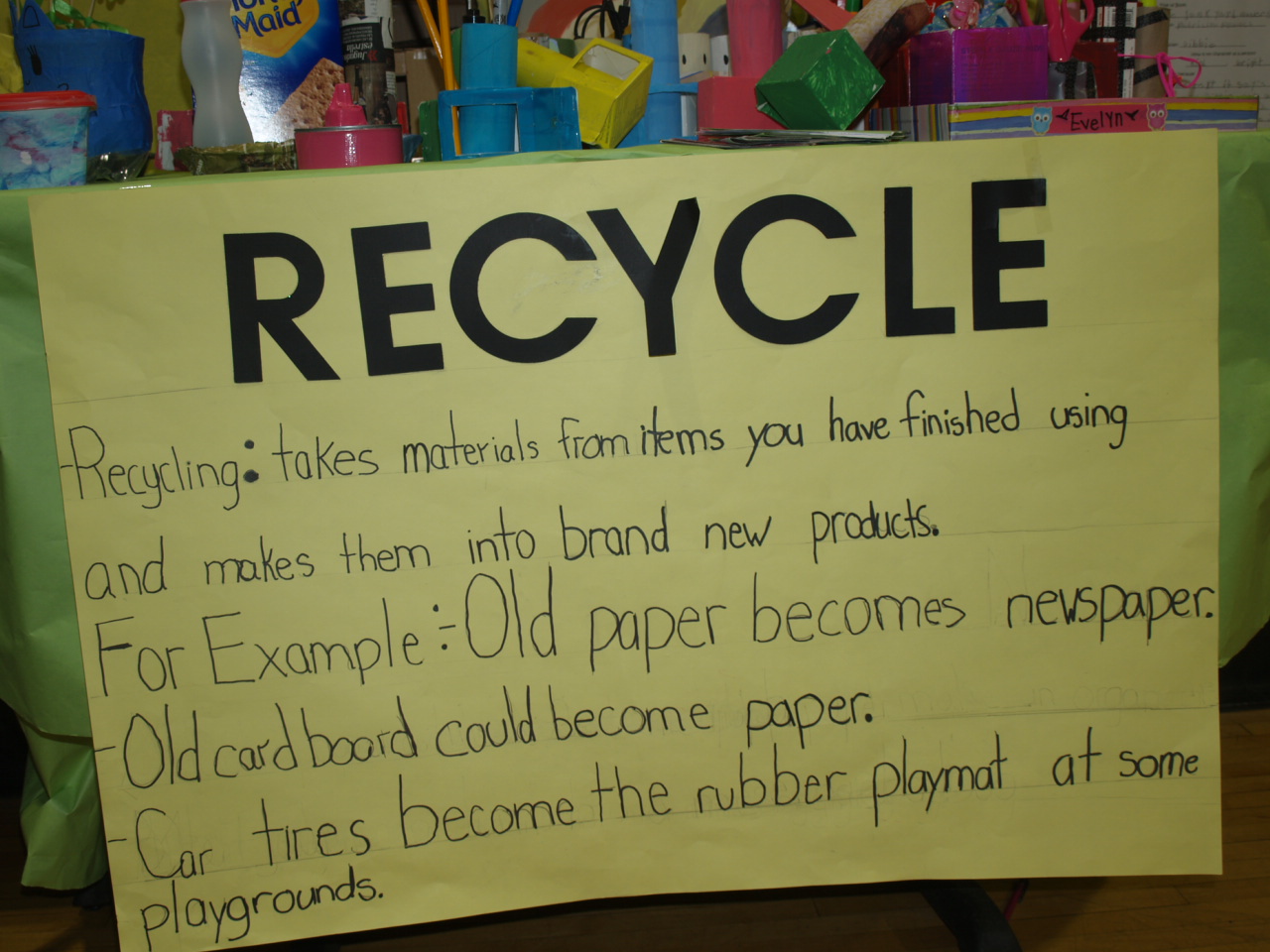
New Rochelle Columbus Elementary School students have truly internalized the Recycling Initiative. Ms Nunez 5th graders did a most fabulous booth covering the 3 Rs in such a wonderful comprehensive way.
Nine adorable 3 year olds were sitting wide eyed on the carpet while helping Anna Giordano from We Future Cycle empty two reusable bags of all sorts of packaging materials onto the carpet.
Carefully checking material to pictures on label, good job!
They picked up empty soda cans, empty peanut butter jars, empty glass bottles, crumpled aluminum foil, empty can food cans. They checked if one can rip a pizza box, and they crinkled the soft plastic wrapper of cookies.
When asked what all this stuff was, they answered according to what they had in their hand. “A bottle”, “Paper”, “box”.
When you ask elementary school children the same question, the answer will invariably be “trash”.
By elementary school age, children have learned already what trash is, and they have already been impregnated by the thought that all things they are done with is trash. They heard so many times already “just throw it away” that they have a clear understanding that “away” is a very convenient spot for unwanted things.
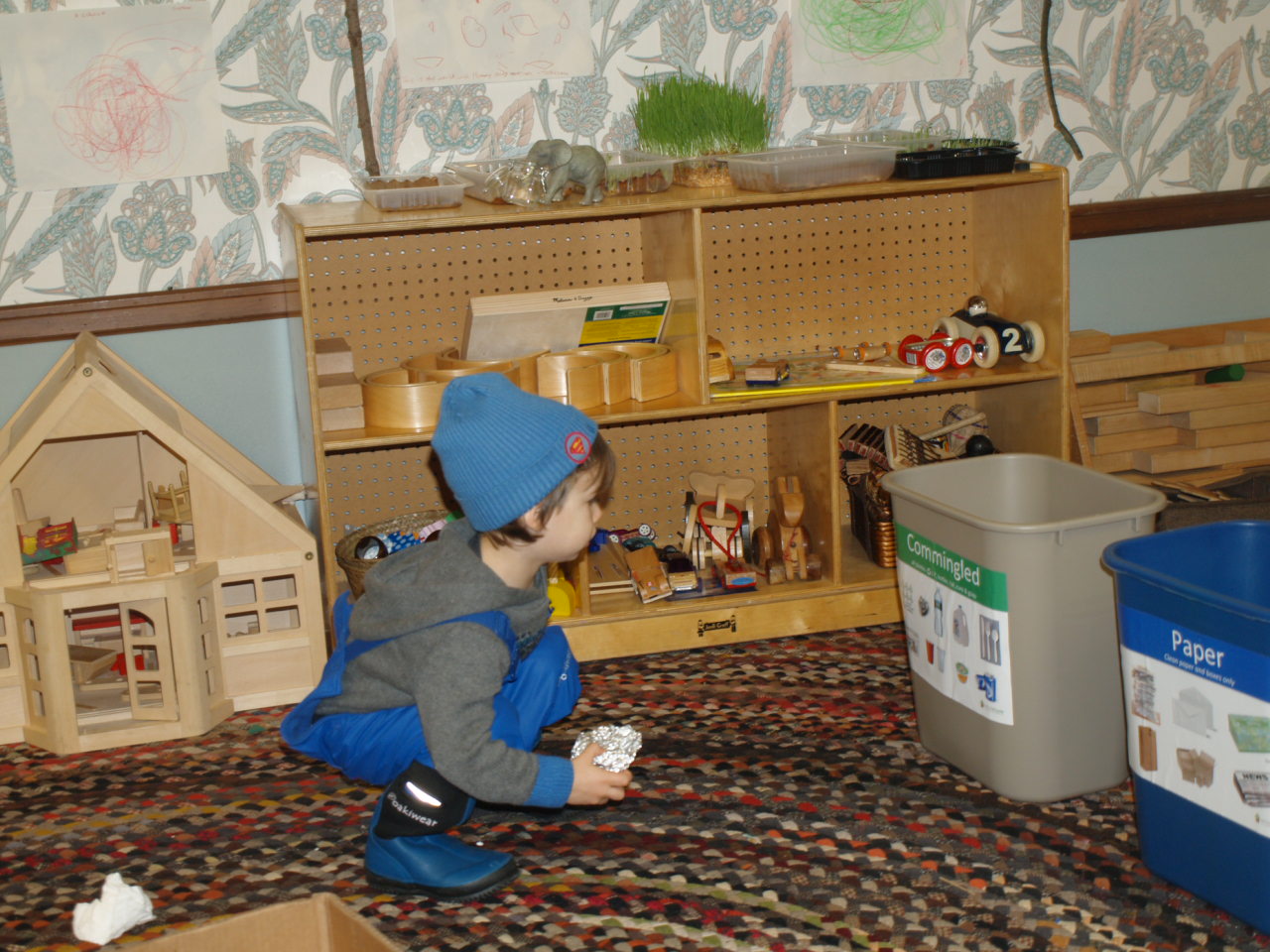
sorting aluminum foil with commingled
These nursery school children were so excited about that a bottle can, just like Lego, be a building block for something else again. They immediately grasped the concept that if you sort things in the right bin, you can use it again. With gusto they helped to sort items into the commingled or the paper recycling bin, and they asked to do it again. They learned to identify between hard and soft plastic and they learned that aluminum foil is metal. They can pick out paper and cardboard, and they learned with sadness that little plastic baggies are not recyclable again, but really trash.
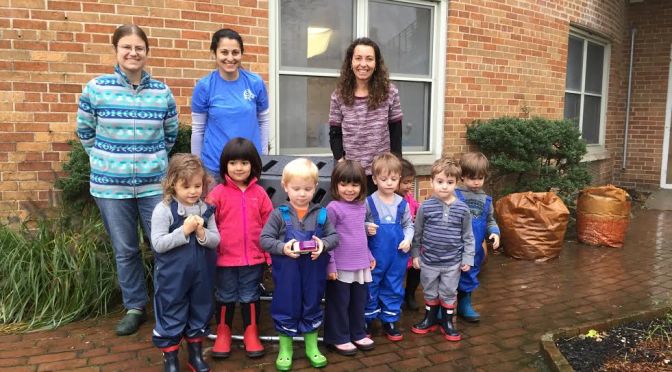
Theresa McCaffrey, owner of Little Leaf Nursery school is very focused on teaching her students about nature. The multi-age nursery school is located within Andrus-on-Hudson, a senior residential community, and it’s 25 acres are the children’s living classroom. Little Leaf at Andrus On Hudson is in Hastings 185 Old Broadway, Hastings-On-Hudson, NY 10706. Gorgeous. There is a garden, a mud kitchen for the kids, and all kinds of outdoor activities. Daily routine is a nature walk, come rain or shine and these kids are suited up in rain gear and are running around with huge smiles on their tiny faces. They do activities with self collected acorns, they have communal snack on washable plates and bowls, all organic, non processed foods, heavy on fresh fruits and vegetables. You will find no sugary juice boxes or processed lunchables here. A fabulous place!
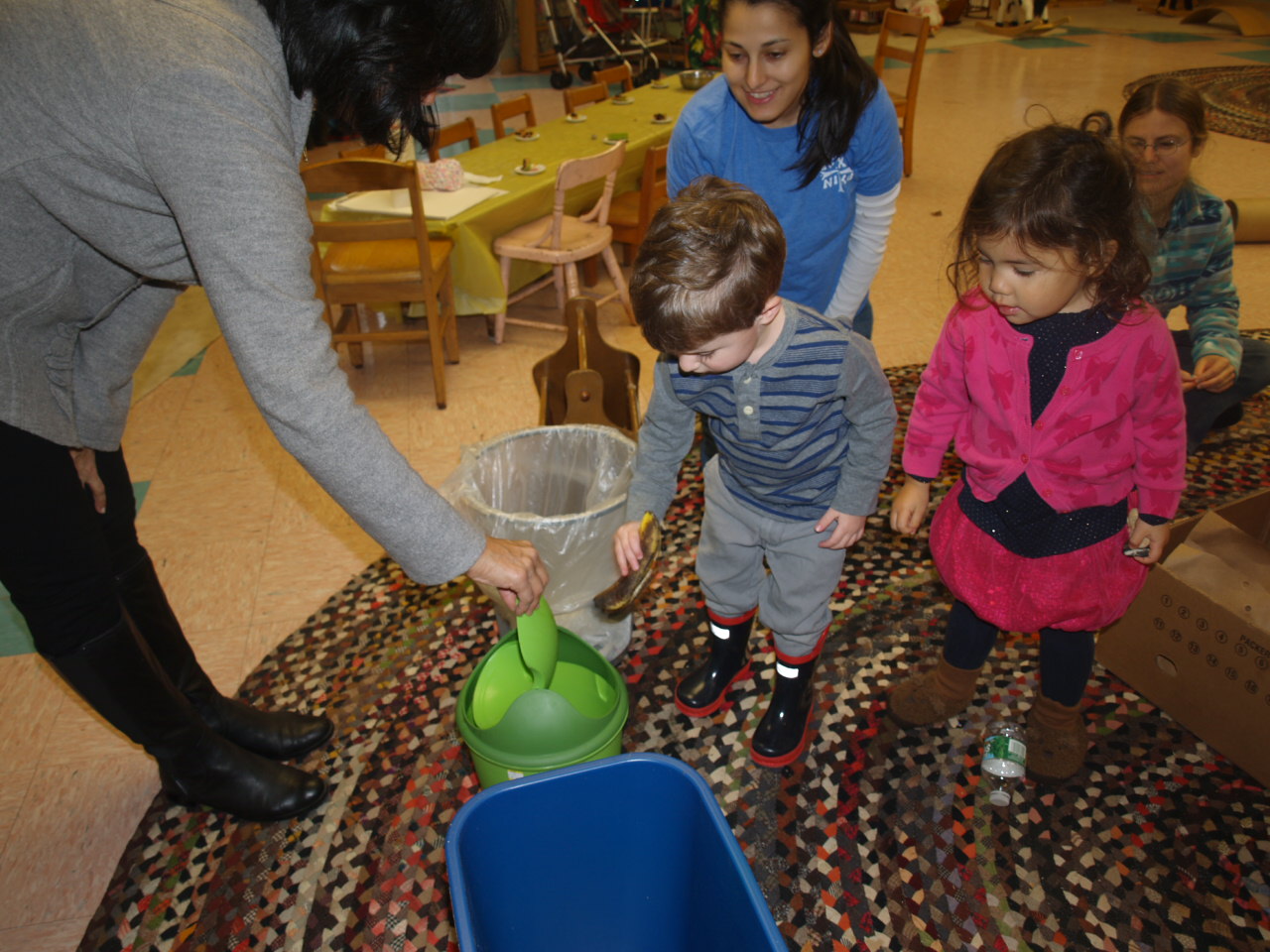
Food waste goes into the new froggie binfilling leaves into the tumbler
And now, the students are also learning about the cycle of food waste into compost. We Future Cycle set up a compost tumbler and the students are now sorting their clementine peel into a cute froggie shaped bin and are proudly taking turns to bring the bin to the composter, mixing in the browns with the greens, and then tumble.
Under the guidance of Ms Caffrey and her two amazing assistants, Little Leaf students are already making a difference in this world. Way to go!
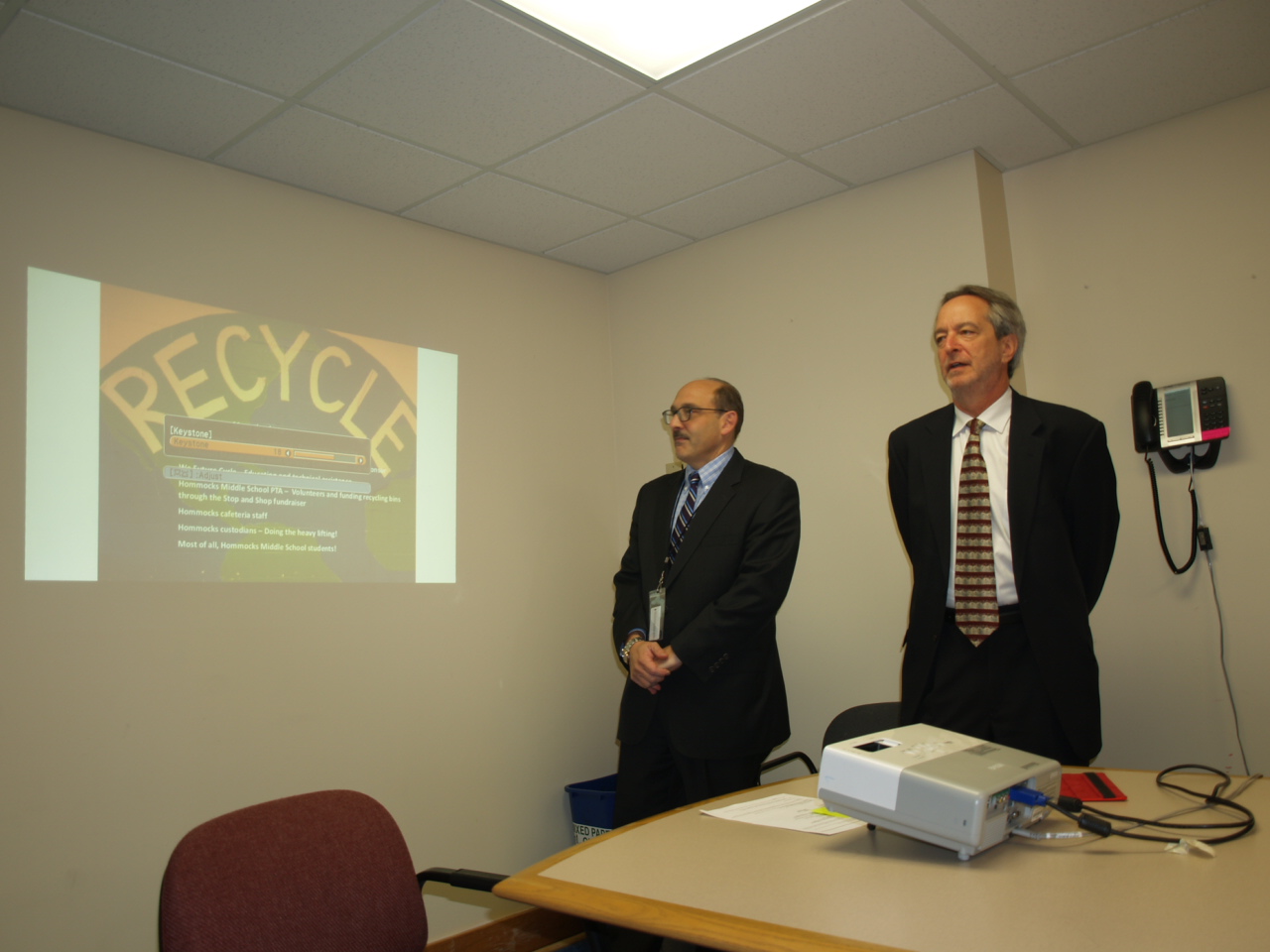
Dr Shaps and Dr Weitzman presenting the We Future Cycle Recycling Program
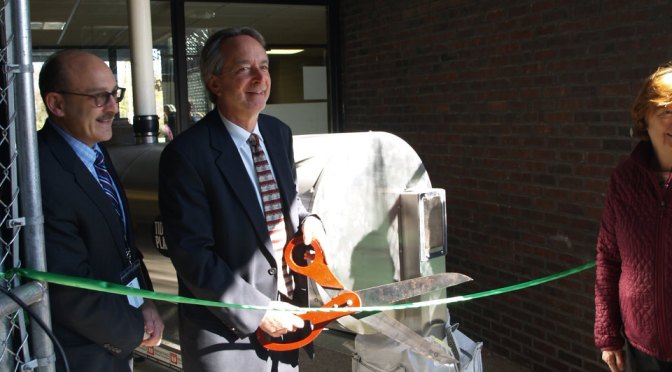
Larchmont and Mamaroneck’s Superintendent Dr. Shaps and Hommocks Principal Dr. Seth Weitzman proudly cut the ribbon to the first Rocket Composter at a Westchester public school.
Thanks to a generous grant of the Education Foundation, the purchase of this stainless steel machine that takes food waste and wood chips and 2 weeks later, compost comes out the other end, was made possible. After an additional 4 weeks of maturation, the compost will have finished its nitrification process and the compost can be used in the garden.
We Future Cycle was hired to do the program implementation as well as teaching students how to sort properly. The rocket is a picky eater, it only likes food.
The additional benefit of the We Future Cycle program is that apart from the food waste, also excess liquids, paper and commingled recycling are sorted out and sent into recycling streams rather then up the Hudson to be burnt as trash. A win win situation for all parties.
As a matter of fact, Hommocks is able to divert a whopping 86% of its waste into recycling or composting streams.
Mamaroneck’s Mayor Mr Rosenblum shared with a smile that his DPW guys already reported to him how much of a difference that makes.
Dr Shaps is very proud of Hommocks success and is looking forward to be implementing the recycling program in the other schools too.
We Future Cycle is proud to be helping with that as well.
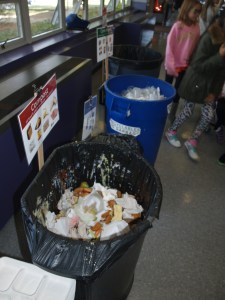
This is completely untouched food from just one lunch period in one school.
Before schools implemented the We Future Cycle Recycling program, this untouched food went unnoticed right into the garbage can.
However, now as additional benefit to source separating in the lunchroom this food is sorted into a share basket, ready to be consumed by either other children within the school during lunch, afterschool program or while being at the nurses office, or donating it to a local soup kitchen. Both is legal, safe and infinitely preferred over just trashing it.
We Future Cycle is often met with resistance when suggesting to donate the sorted out food. Standard practice in the school cafeterias is that if the milk runs out of date over the weekend, instead of donating it on Friday, it is being tossed on Monday, packaging at all.
Arguments given are that food service does not want to be liable should someone get sick when consuming donated food, or that it is illegal to donate tax payer sponsored food, or that it is too much work to organize the logistics around food donation.
As a matter of fact, it is not only legal, but also encouraged to donate the food. The Good Samaritan Act holds any donor harmless and We Future Cycle will pair the school up with the closest local, health department vetted soup kitchen, that will come and pick up right after lunch. A complete Win Win situation for all parties.
And think about the social lesson to the children if they are involved in the process.
However, the best way to avoid untouched food waste is to teach the children (and their parents) about choices and how to refuse when they do not intend to consume a food item.
In the lunchrooms we see so many children dumping the lovingly made sandwich from mom right into compost, without ever taking a bite out of it. And off they go to stand in line at the snack desk to buy chips and ice cream.
I am sure there is a better way. Let’s tackle it to make a difference.
White Plains Church St Elementary School under the leadership of Principal Myra Castillo and Assistant Principal Merle Jackson have reached nearly Zero Waste with only 3 lbs of trash from nearly 700 students in the lunchroom. Outstanding!
Ms Castillo knew that this program can only work if all departments work together for a common goal. She allowed time for food service, facilities, teachers and teachers aids to be trained on why the We Future Cycle recycling program is so valuable for the social development of the students.
And both Ms Castillo and Ms Jackson are putting their money where their mouth is and are actively participating in teaching the students on how to sort.
33 lbs of compostable trays sorted out
The system is easy. First the students empty their left over liquids into the bucket, sorting the container into either milk cartons or commingled, then all remaining plastic is sorted into commingled, all food waste and paper products are dumped into compost and the tray is stacked neatly. Done.
42.5 lbs of compostable food waste
Church St had a whopping 76 lbs of excess liquid, a large bag of commingled, 2 large bags of milk cartons, 75.5 lbs of compostable material and only 3 lbs of trash, that is 1.7%. Nearly Zero Waste!
6 students helped with the weighing and counting. Thank you
Only the students that bring lunch from home in disposable packaging are contributing to trash. Non recyclable are chip bags, drink pouches, soft plastic wrappers, sandwich baggies, go go squeeze packaging and things along those lines. Next steps will be to actively involve parents to be part of the zero waste solution.
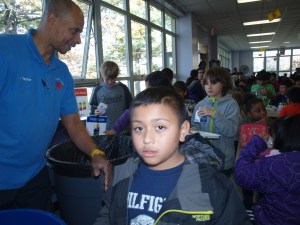
Smiling head custodian Jody Raynor helping students sort
A huge shout out to Head Custodian Jody Raynor, whose support in this program is invaluable. He is being called ” Mr Smiles” by the students. Trust me, I am not making this up. He does smile all the time, while helping the students to sort. Truly WAY TO GO!
Church St Elementary School is a prime example on how support by all departments can lead to something as fabulous as nearly zero waste.
White Plains Ridgeway Elementary school was chosen as one of the pilots to implement the We Future Cycle School lunch recycling program.
With enthusiastic support from Assistant Principal James Graziano Ridgeway students learned in assemblies that packaging is not trash but material for new things, they learned where the garbage goes when it is not sorted or recyclable, and they all agreed that they did not want to live next to a dump nor an incinerator. For good measures, they also agreed that animals probably won’t like living next to one either.
The custodial staff, under leadership of Pedro Molina, was super supportive, helping to set up the recycling station, going way out of their way to make the school a success. On Halloween a full bodied Batman was helping students at the recycling station. How fabulous is that!
Ridgeway had 124 lbs of waste of which only 6 lbs were actual trash, all other was either liquid, food waste, milk cartons or commingled recycling. A whopping 95% reduction. Now, that is truly something to write home about.
Ridgeway’s parents came to “do lunch” with their children, helping to train the students in the new sorting system. It takes active supervision and guidance to teach 700 students to sort and these parents were up to the task, fully supporting the efforts of the school to create a generation of kids that care.
When you say ” I am throwing something away” , where is “away”?
That is a question students at Church St Elementary school learned the answer to. And they didn’t like it, not one bit.
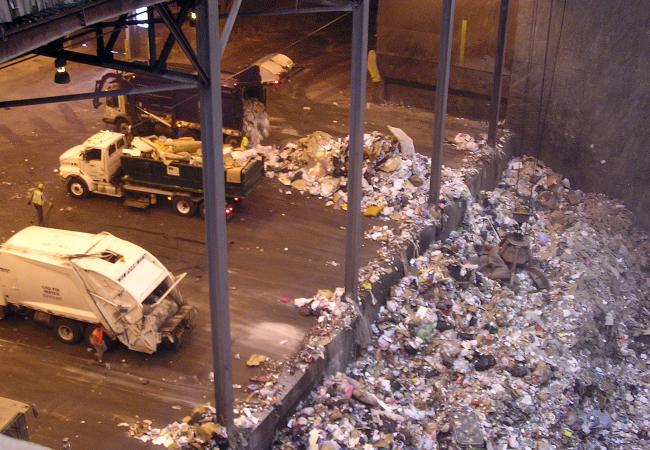
Looking at pictures of land fills and incinerators brought even the littlest students to a open mouthed gasp. November 6th 2015 was launch date of the We Future Cycle Recycling program at Church St and it started with assemblies to all students in the auditorium. In a lively presentation, students learned to look differently at packaging material. What they first considered trash, they saw later as raw material for new things, the premise of recycling. What they first saw as a yummy snack, they later saw as food that created trash because of its unrecyclable packaging. They also learned just how much garbage is generated at a school, something they had never thought of before. And they learned, that most of what they generate can be recycled if it was just sorted out. Now they are chomping at the bit to start sorting.
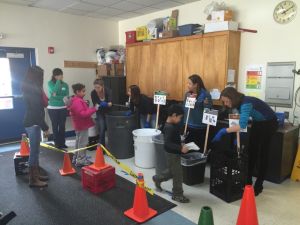
6 Safety Squat students were chosen to assist with the “before recycling” waste audit. They stood open mouthed in front of the 15 bags of bulging trash. They weighed each bag, we calculated totals, looked at median bag weights, offered suggestions why some bags were much heavier then others, while not being necessarily more bulky. Suggestions included that the bags may have come from younger students as there was more heavy food and more left over liquid in these bags.
Church St generated that day 15 bags of trash, weighing a total of 204 lbs. Anna Giordano, from We Future Cycle, asked the students to imagine what a ton of garbage looked like. Step by step, the students worked to identify that 200 of their own lunchroom bags would equal 2000 lbs. Upon learning that Westchester Ct generates more then 2300 tons of garbage per day, one boy sadly commented “and that is just Westchester”. A very mature deduction from a 5th grader.
From Monday Nov 9th, Church St students will be separating their lunchroom waste into waste liquid, milk cartons, commingled and food waste and the students are looking forward to diverting an estimated 90% away from trash and into recycling.
Church St is all geared up to make a difference. Way to go!
On October 24th at 10 am 60 Pelham residents arrived, ready to tackle the problem of litter. EcoPel, the organizer, joined forces with We Future Cycle to include in this 4th year clean up, also textile recycling.
As grassroots, non-partisan organization in Pelham NY concerned with environmental issues, it is important to get the message out, and this year EcoPel is concentrating on schools and textiles. There is a ground swell of concerned citizens and EcoPel was pleased to have this fantastic turn out.
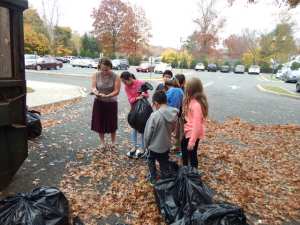
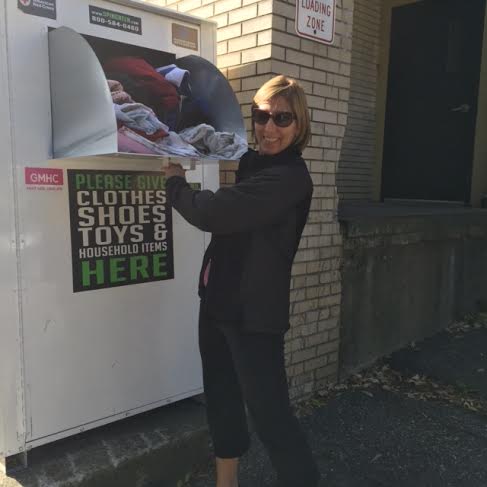
A make shift donation area supervised by students was set up and loads of textiles were brought to be recycled, rather then being disposed of in the trash. These textiles went into a Spin Green Textile recycling bin at the Columbus Elementary School in New Rochelle. A win win situation. Pelham was able to divert textile from the waste, educated their citizens and Columbus is able to receive the revenue from the bin for their students.
EcoPel successfully integrated the use social media to spread the word to the adults in the Pelham community as well as the local papers. This year EcoPel also integrated the local church into their campaign, as the event was featured on the weekly church bulletin.
All of Pelhams High School and Middle Scholl students are required to complete community service hours to graduate. EcoPel contacted many teachers and guidance counselors at the schools to get the word out to the students. At the events the names of the participating students were collected so appropriate credit can be given.
A success event, due to diligent work of the EcoPel members getting the word out, and now the knowledge that textiles are recyclable is starting to grow roots. Way to go!
New Rochelle’s Webster and Columbus Elementary Schools are extending their sustainability efforts beyond their successful lunchrooms. We Future Cycle introduced Textile Recycling through Spin Green as a fabulous fundraiser and both school principals eagerly embraced the initiative.
According to the EPA, Americans discard 13.1 million tons of textiles per year and there is only a 15% recycling rate. Many people give nice things as hand-me-downs away, but what to do with the stained T-shirt, the holed toddler jeans or –gasp– the underwear with the rip……? Easy…recycle them in our Spin Green Textile Recycling Bin.
We parents know how fast children grow and what clothes look like after a few months on an active child, but instead of discarding them into the trash, consider supporting the schools by donating them into their recycling bins. Any dirty sock, ripped sheet, old stuffed animal can go, anything that is clothy. Even shoes, sleeping bags, old blankets.
Once donated the textiles go one of these routes.
The re-use avenue where usable clothes are sorted out and sold through second hand clothing stores or thrift shops.
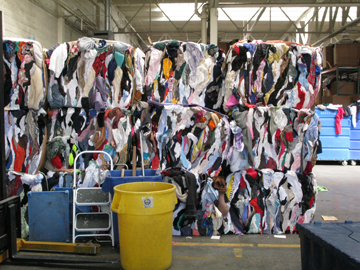
The recycle avenue where the clothes are sorted according to material and then shredded down for its fiber to be used as rags or as stuffing for car seats and other applications.
Discarded textiles come with a huge price tag to society. They account for 4.9% of the municipal waste.
For Westchester, with its 2,000 tons/day garbage about 100 tons are discarded textiles EVERY DAY. At around $80 per ton tipping fee (which is just the cost to dump the load onto the incinerator floor, no transportation or labor cost are included yet, and of course no secondary cost such as road repair or environmental consideration), tax payers are footing an $8000.00 bill every day to make a resource -literally- disappear into thin air.
The textile industry, according to the U.S. Energy Information Administration, is the 5th largest contributor to CO2 emissions in the United States, after primary metals, nonmetallic mineral products, petroleum and chemicals.
The textile industry is huge, and it is a huge producer of greenhouse gasses. Today’s textile industry is one of the largest sources of greenhouse gasses (GHG’s) on Earth, due to its huge size. In 2008, annual global textile production was estimated at 60 billion kilograms (KG) of fabric. The estimated energy and water needed to produce that amount of fabric boggles the mind:
1,074 billion kWh of electricity or 132 million metric tons of coal and
between 6 – 9 trillion liters of water
Thanks to Melissa Passarelli and Sonia Nunez, students of Columbus and Webster are learning about the importance of recycling textiles.
Louis Vitrone just shared that the upgrade equipment is being purchased and a February 2016 start date is being envisioned. That is great news for Westchester, as it will take an additional 1% of resources out of the waste stream and turn it into revenue for the County.
Original article from 2014:
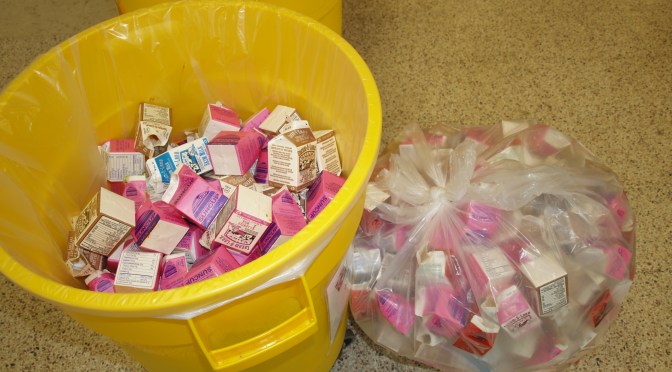
Milk cartons and juice boxes are a common sight in schools, and so far they are being trashed in Westchester County. In New York City, they are part of the Commingled recycling stream.
We have worked closely with Louis Vitrone, Deputy Commissioner and Marianne Patronella, Director for Resource Management from Westchester County Environmental Service to bring carton recycling to Westchester. Just in November another meeting between the County and the Carton Council took place to find ways to make it work.
Part of the problem is that if a material is added to a recycling stream, it can really only be recycled if it is sorted. This sorting is done by a complicated sorting system which includes among other optical scanners to identify materials and then sort it via air stream into the correct container. The optical scanner itself is available and manageable in cost, but because Westchester’s Material Recovery Facility was one of the first built, its building doesn’t lend itself to easy equipment changes and the upgrading of the system is complicated and needs proper planning. Yesterday’s meeting was a giant step in the right direction.
Schools that are using commercial carters such as Suburban Carting can already recycle their milk cartons as it is brought to a different facility that can sort out milk cartons.
Cartons are about 1% of Westchester’s waste stream and are a very valuable resource.
Here is a little educational youtube clip how easy it can be.










 eway’s parents came to “do lunch” with their children, helping to train the students in the new sorting system. It takes active supervision and guidance to teach 700 students to sort and these parents were up to the task, fully supporting the efforts of the school to create a generation of kids that care.






 We Future Cycle