

One of the added benefits of teaching young children about recycling is, that they LOVE the hands-on sorting portion. And at least one of the cute youngsters will want to sit on my lap during the presentation. It is just delicious having bright eyed 3 year olds in front (and on top) of you and asking them to identify a material and then place it in the correct recycling bin.
Family Services of Westchester is serving White Plains youngest students in their seven head start centers throughout White Plains. As the We Future Cycle recycling program is now running in all White Plains public schools, reducing garbage by a whopping 97% through diversion into recycling, excess liquid and composting streams, it made sense to incorporate the little ones already. Get ’em young and they will learn for life.
With wonderful support by each center director and the program director, even 3 year olds will learn that their actions matter and make a difference.




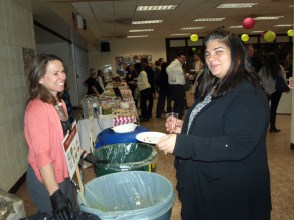
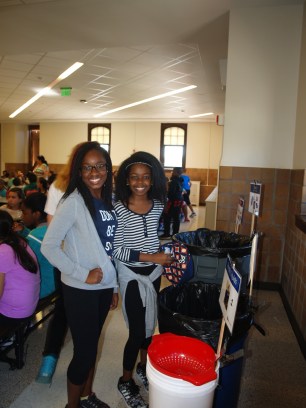
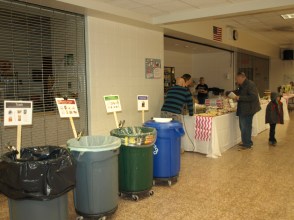 Parents had the opportunity to sort their waste into “Food & Paper” and “Commingled Recycling” and they all did it with gusto and flawlessly. Anna Giordano, Executive Director of We Future Cycle, the not-for-profit organisation that was hired to bring extensive sustainability programs to the district was there to help at the station and to share the fabulous results achieved in all the schools since the inception of the program. ALMS has reduced its lunchroom waste by a whopping 95%, its building waste by a good 50% and its kitchen waste by 65%. All in all, that is about 450 lbs of garbage NOT generated every day, and that just from one of the 9 participating New Rochelle schools.
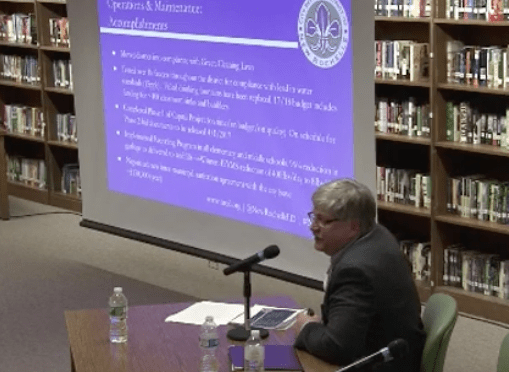
 Thanks to the program, New Rochelle School District was able to revamp its waste management system and save considerable funds. Carl Thurnau, the Director of Facilities for the district has just quantified it at the ongoing budget meetings with an annual savings of $130,000.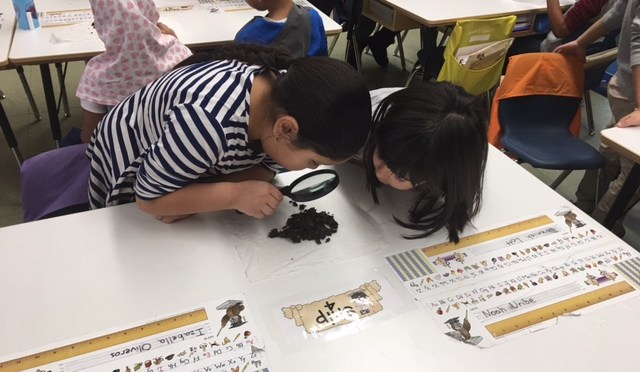
 Walking into a classroom full of excited 6 year olds, toting your worm composting bin is an adventure in itself. The “uuuuh”, “aaahhhha” and “YIKES” were ear splitting, most students also expressed how gross they thought worms were. However, it didn’t take long for them to understand the important role that worms play in our environment.



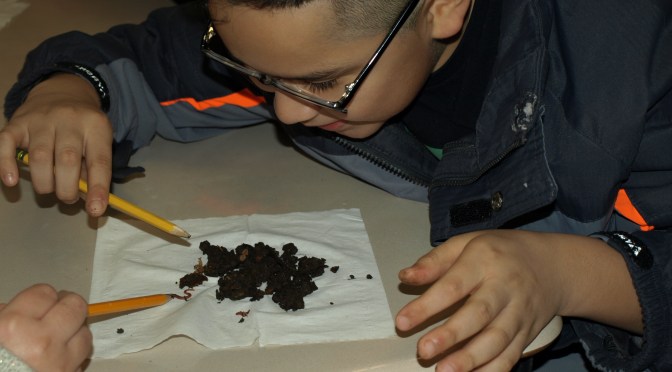

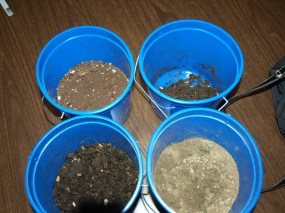 The best part was digging in the dirt as they got to examine up close and personal four different soil samples. Inspecting them while looking for color, texture, water retention capabilities and organic matter content gave them a deep understanding of the connection between healthy soils and its ability to grow food.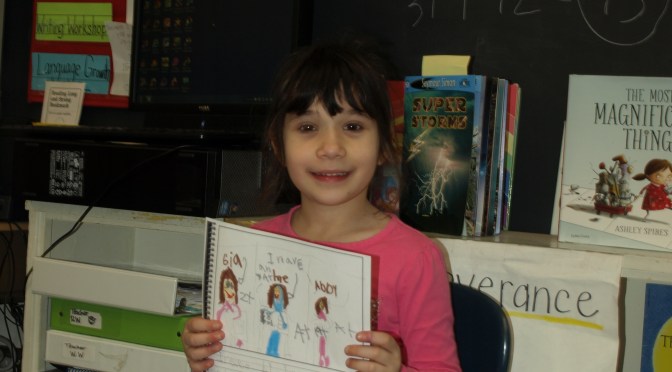
 We Future Cycle