Tag Archives: composting

The German International School of NY launching on-site food composting with We Future Cycle

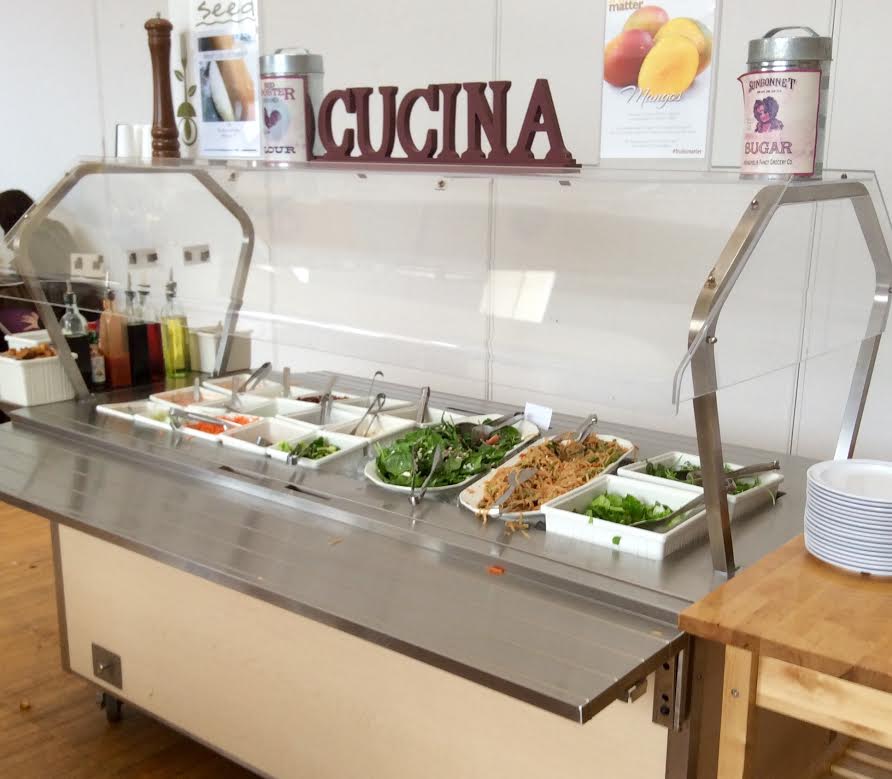
fdc93e79-289d-458e-936e-c3c74b34d25cThe lunchroom in the German School in White Plains resembles more an upscale restaurant then a school lunchroom. You will find a decorative salad bar, a drink dispenser, a milk dispenser with your choice of 1% milk or 1% chocolate milk, a juice and sparkling water dispenser, the dessert counter with the fresh fruit of the day in a sun light filled high ceiling room, with light wood round tables. The food is all prepared on site, with the daily soup, vegetarian choices and meat dish.

b39b7799-e043-4e2e-b656-1efb956b6ecaChef Paul Boos, Food Service Director with Compass USA, personally serves the students and the school is proudly looking upon a 100% participation rate among students.

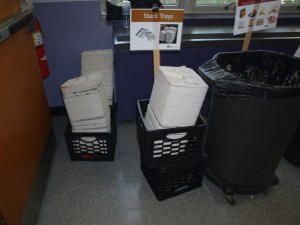
b8649d72-a671-4444-9da9-d94f088dd8b6The school uses only reusable dish and flatware and students are returning their trays to a counter that leads to the dishroom.

Now, GISNY, under the leadership of Edward Schlieben, administrator and a very active Green Team is launching into food composting on site. The handsome garden is visible right from the lunchroom and it is the logical next step in their journey to zero waste.

Come January 2016, students will be scraping their food waste into the compost bucket instead of garbage and the student green team will manage the compost bins. We Future Cycle is proud to be helping the GISNY on their path to truly zero waste.


Hasting’s Little Leaf Nursery Students Learning About Recycling and they truly get it!

OLYMPUS DIGITAL CAMERA
Circle time sorting materials into recycling bins

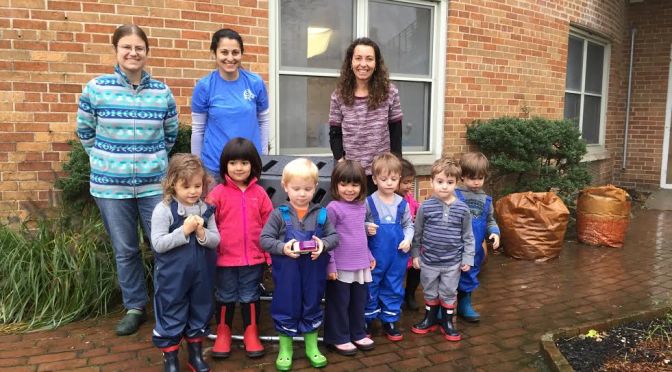
Nine adorable 3 year olds were sitting wide eyed on the carpet while helping Anna Giordano from We Future Cycle empty two reusable bags of all sorts of packaging materials onto the carpet.

OLYMPUS DIGITAL CAMERA
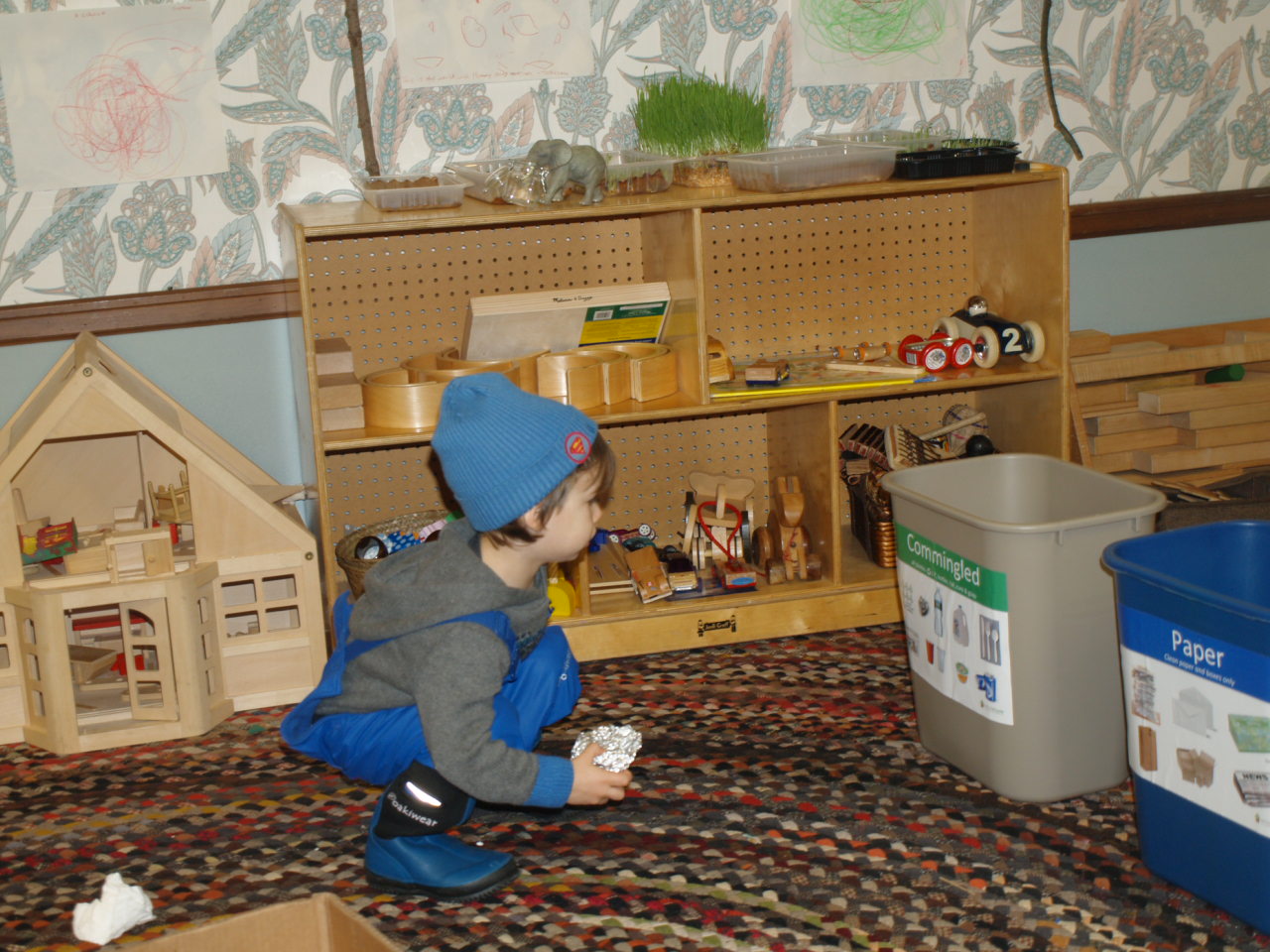
Carefully checking material to pictures on label, good job!

They picked up empty soda cans, empty peanut butter jars, empty glass bottles, crumpled aluminum foil, empty can food cans. They checked if one can rip a pizza box, and they crinkled the soft plastic wrapper of cookies.

When asked what all this stuff was, they answered according to what they had in their hand. “A bottle”, “Paper”, “box”.

When you ask elementary school children the same question, the answer will  invariably be “trash”.

By elementary school age, children have learned already what trash is, and they have already been impregnated by the thought that all things they are done with is trash. They heard so many times already “just throw it away” that they have a clear understanding that “away” is a very convenient spot for unwanted things.


OLYMPUS DIGITAL CAMERA
sorting aluminum foil with commingled

These nursery school children were so excited about that a bottle can,  just like Lego, be a building  block for something else again.  They immediately grasped the concept that if you sort things in the right bin, you can use it again.  With gusto they helped to sort items into the commingled or the paper recycling bin, and they asked to do it again. They learned to identify between hard and soft plastic and they learned that aluminum foil is metal.  They can pick out paper and cardboard, and they learned with sadness that little plastic baggies are not recyclable again, but really trash.

Theresa McCaffrey, owner of Little Leaf Nursery school is very focused on teaching her students about nature. The multi-age nursery school is located within Andrus-on-Hudson, a senior residential community, and it’s 25 acres are the children’s living classroom. Little Leaf at Andrus On Hudson is in Hastings 185 Old Broadway, Hastings-On-Hudson, NY 10706. Gorgeous. There is a garden, a mud kitchen for the kids, and all kinds of outdoor activities. Daily routine is a nature walk, come rain or shine and these kids are suited up in rain gear and are running around with huge smiles on their tiny faces. They do activities with self collected acorns, they have communal snack on washable plates and bowls, all organic, non processed foods, heavy on fresh fruits and vegetables. You will find no sugary juice boxes or processed lunchables here.  A fabulous place!

OLYMPUS DIGITAL CAMERA
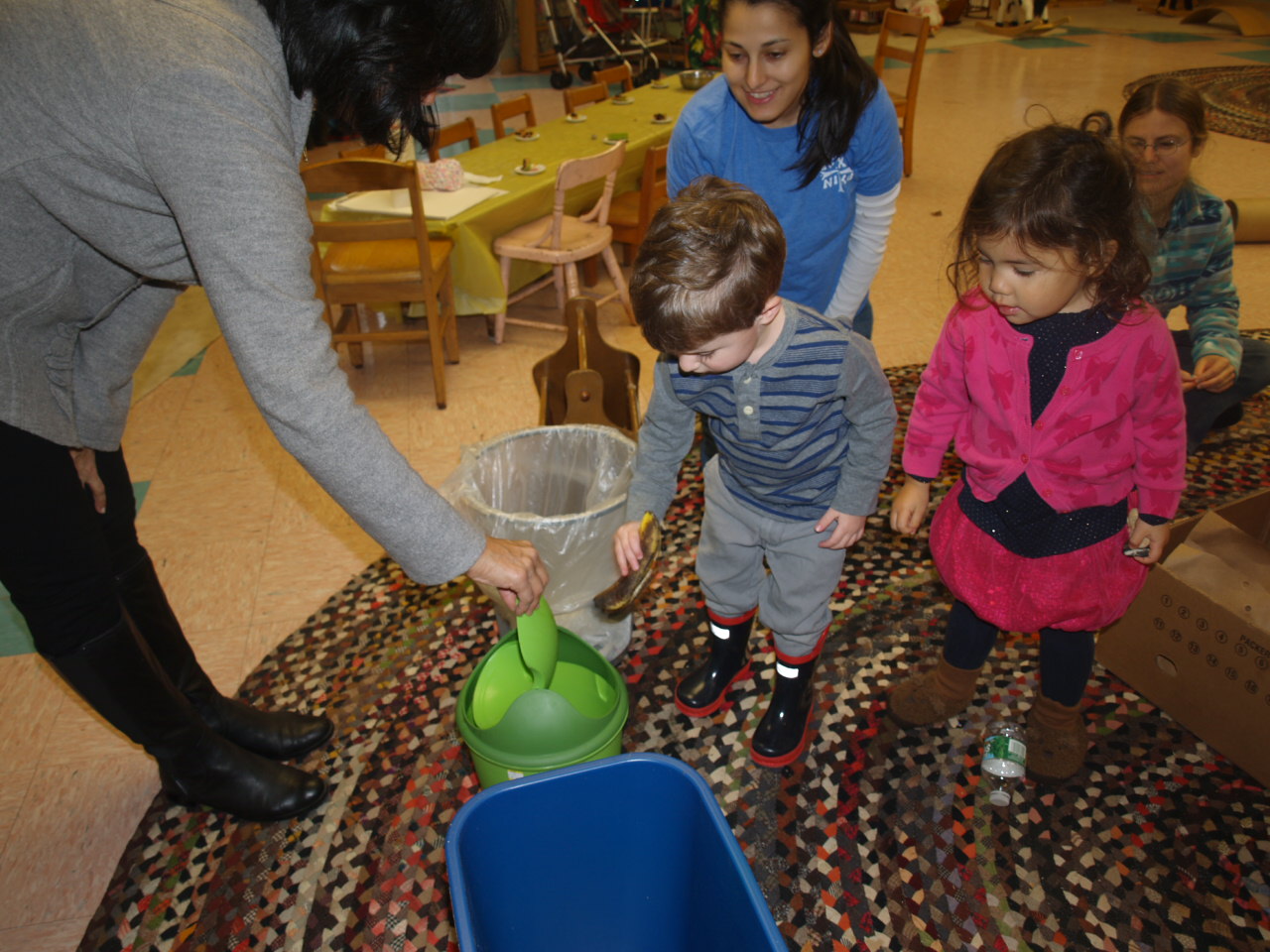
Food waste goes into the new froggie bin
9f00ae46-fc04-4913-afc8-97d3caf2934e
filling leaves into the tumbler

And now, the students are also learning about the cycle of food waste into compost. We Future Cycle set up a compost tumbler and the students are now sorting their clementine peel into a cute froggie shaped bin and are proudly taking turns to bring the bin to the composter, mixing in the browns with the greens, and then tumble.

Under the guidance of Ms Caffrey and her two amazing assistants, Little Leaf students are already making a difference in this world.  Way to go!

White Plains Church St Elementary School Nearly At Zero Waste

White Plains Church St Elementary School under the leadership of Principal Myra Castillo and Assistant Principal Merle Jackson have reached nearly Zero Waste  with only 3 lbs of trash from nearly 700 students in the lunchroom.  Outstanding!

Ms Castillo knew that this program can only work if all departments work together for a common goal. She allowed time for food service, facilities, teachers and teachers aids to be trained on why the We Future Cycle recycling program is so valuable for the social development of the students.

And both Ms Castillo and Ms Jackson are putting their money where their mouth is and are actively participating in teaching the students on how to sort.

OLYMPUS DIGITAL CAMERA
33 lbs of compostable trays sorted out

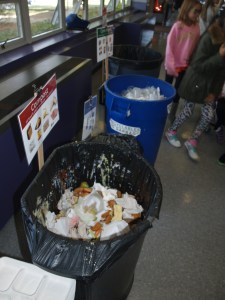
The system is easy. First the students empty their left over liquids into the bucket, sorting the container into either milk cartons or commingled, then all remaining plastic is sorted into commingled, all food waste and paper products are dumped into compost and the tray is stacked neatly. Done.

OLYMPUS DIGITAL CAMERA
42.5 lbs of compostable food waste

Church St had a whopping 76 lbs of excess liquid, a large bag of commingled, 2 large bags of milk cartons, 75.5 lbs of compostable material and only 3 lbs of trash, that is 1.7%. Nearly Zero Waste!

6 students helped with the weighing and counting. Thank you

Only the students that bring lunch from home in disposable packaging are contributing to trash. Non recyclable are chip bags, drink pouches, soft plastic wrappers, sandwich baggies, go go squeeze packaging and things along those lines. Next steps will be to actively involve parents to be part of the zero waste solution.

OLYMPUS DIGITAL CAMERA
Smiling head custodian Jody Raynor helping students sort

A huge shout out to Head Custodian Jody Raynor, whose support in this program is invaluable. He is being called  ” Mr Smiles” by the students.  Trust me, I am not making this up.  He does smile all the time, while helping the students to sort. Truly WAY TO GO!

Church St Elementary School is a prime example on how support by all departments can lead to something as fabulous as nearly zero waste.


Waste Management in Germany, 87% recycling rate

3,w=650,c=0.bildIn Germany, Source Separation is old news, everybody does it . And I mean

E V E R Y  B O D Y!

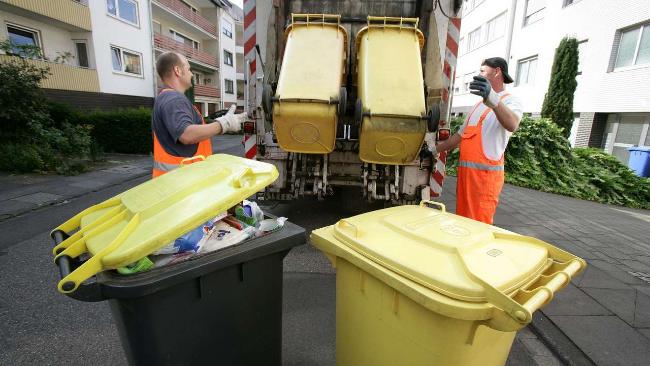
It is working because Germany applied country wide the same strategy.  German households, and buildings are all set up the same way. Everybody is sorting food waste into the  brown “BioTonne”, Paper into the “Blue Bin” , all packaging into the “Yellow Bin” and then there is the black bin for left over garbage.

The pick up schedule is set up to reward recycling and to penalize garbage. Country wide food waste pick up takes place once per week, Paper and Packaging Materials are alternating once per week and the left over garbage is only picked up once per month. Each bin has a bar code and is read at point of pick up. The cost per consumer is calculated by weight whereas food waste and recycling has a very low per pound fee, and remaining garbage a very high per pound fee.

The keys to success were

1.  consistent signage, consistent colors of bins

2. supervision at point of collection (oops stickers, and ultimately fines for non compliance)

3. pay per throw via bar code,  per pound cost differentiated by material.

4. Bio Digesters for food waste management .

The results are just amazing.

KSzectF (1)In Numbers:  Germany generates some 50 million tons of waste per year from its 82.5 million people.  87% of that waste is recycled through household and industrial source separation.

Construction debris is only accepted source separated to particular standards.

Grocery stores are required to offer disposal of hard to recycle materials and with that came a revolution in packaging, as suddenly the point of sale was responsible for what it put on its shelves.

There are no active landfills in Germany, a few incinerators are dealing with the remaining 13% of left over garbage.  Italy is sending its trash to Germany for incineration, and Germany is actually harvesting that trash from its recyclables before sending it to the incinerator.

And the absolute best is, that it is now cost efficient to harvest old landfills, which is starting to happen in several areas all over Germany.

A true example of what can be possible if everybody is seeing the greater good, rather then the quick buck for some selected few.

Cash For Columbus School Writing Competition Winners

OLYMPUS DIGITAL CAMERA

Columbus Elementary School was the proud winner for the coveted Nina Chin Writing Contest Grant. Mrs. Nunez, Principal, gave 3rd, 4th and 5th graders the opportunity to participate by writing an essay to the Topic “I can make a difference”. 145 students rose to the challenge, an outstanding level of participation, thanks to two teachers Ms Costa and Ms Alexander-Zahn, who went from class to class to promote the contest.

On June 15th at 10:00, the auditorium was filled with excited students. Who snagged the top prizes per grade?

OLYMPUS DIGITAL CAMERA

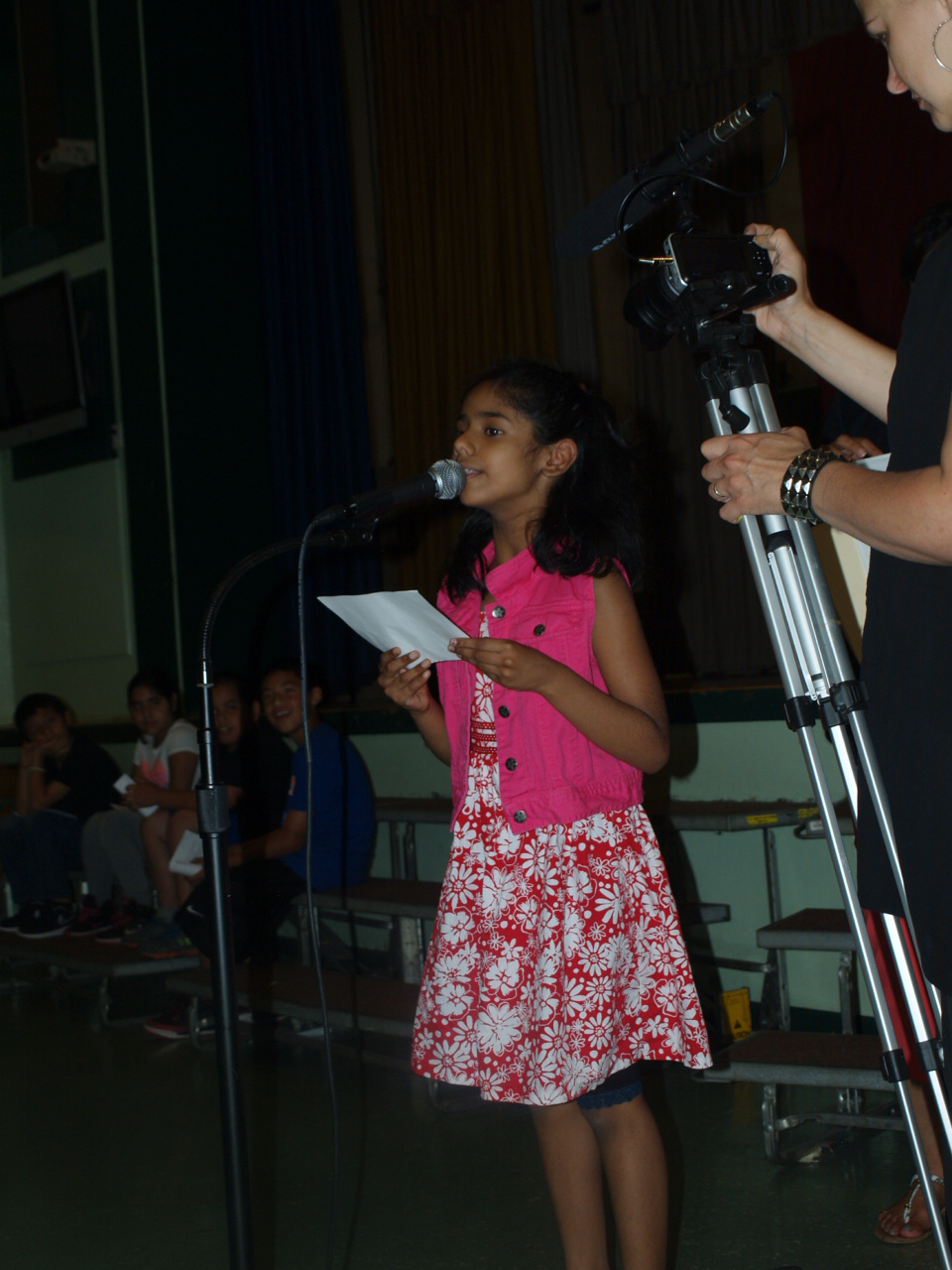
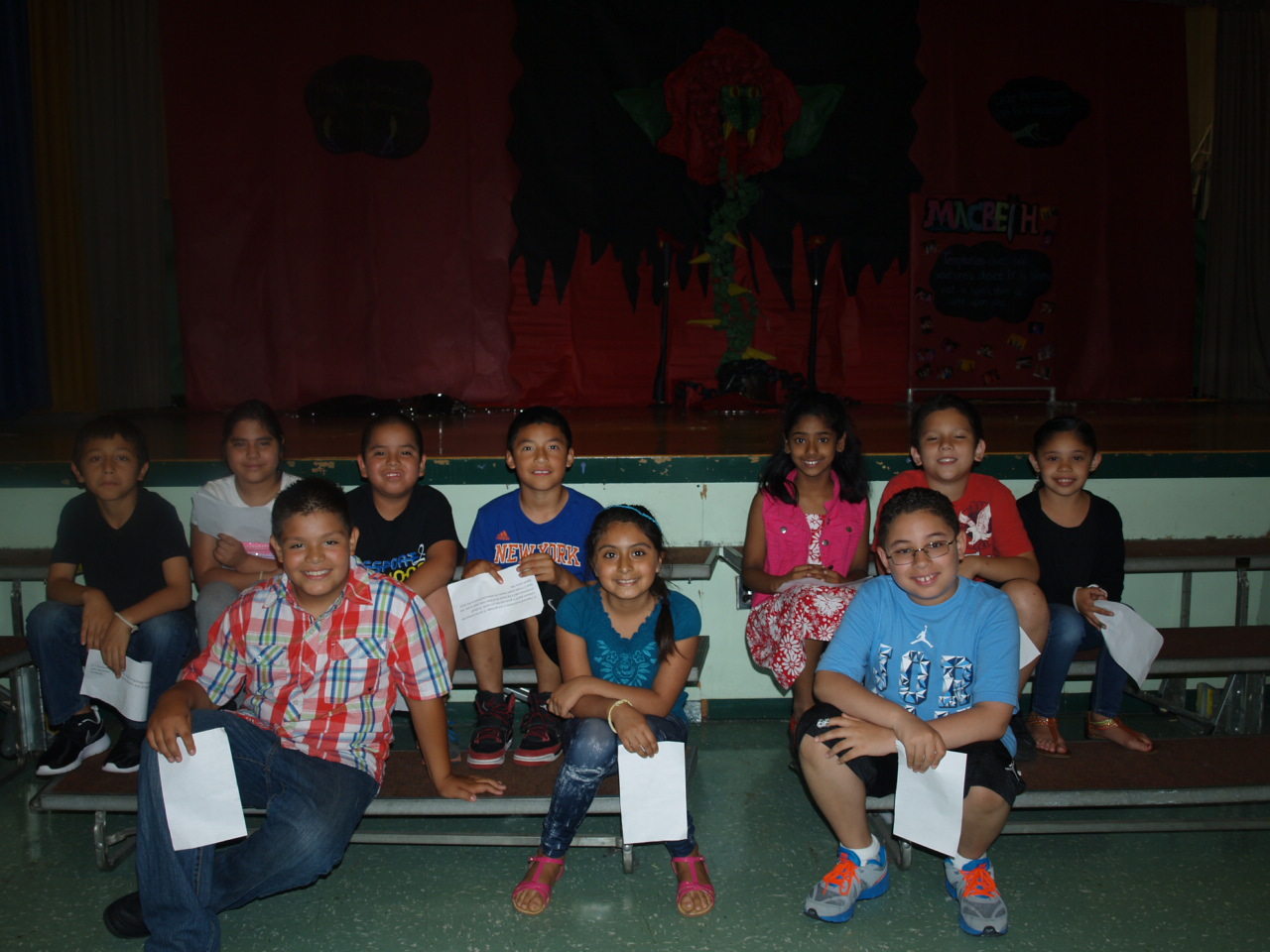
The ceremony began with a presentation by 11 students sharing information about Columbus’ recycling program. Students shared that they learned that they can make a big difference by sorting their waste into different categories, they were proud to have weighed the materials and realized that instead of making 400 lbs or garbage, they only made 8 lbs and all the rest is now raw material for new things.

OLYMPUS DIGITAL CAMERA

A second grader said that she is now the recycling specialist in her house and is teaching her mom about it. A kindergarten student  loudly proclaimed that we only have one Earth and she will make sure that all her friends are taking care of it with her.

OLYMPUS DIGITAL CAMERA

A sideways glance to the dignitaries Derrik and Jean Chin, Irene Schindler and Rev. Jennie Talley showed that they were very moved, clutching tissues.

OLYMPUS DIGITAL CAMERA
Sonia Nunez, Principal

The second part of the celebration was Mrs. Nunez calling one by one the runner ups and winners per grade up to the front to receive their certificate and their envelope with the cash prize. While the kids came up, some excerpts of their essay was shared.

Some truly powerful statements came from these young minds.

Mia Torres shared in her essay that she wants to help the environment because when she looks outside, she sees plastic bags in the trees. She doesn’t like that because the trees help us breathe.

Jasmin Alvarez very wisely said “Live like every day is Earthday!”

OLYMPUS DIGITAL CAMERA
Mia Torres, 3rd grade

And Willy Hidalgo says; ” to make Earth green we have to care for it. We also have to clean up liter and garbage, even if it is not yours!”

Willy, you are SO right! Well said.

Michelle Oliveros thought long term, an outstanding achievement for a 5th grader. She said; ” We have to keep the Earth clean for our future families. We also have to let our families know about recycling and reusing. It is all about our Earth.”

Mamaroneck’s Hommocks Middle School to Join the We Future Cycle Program

Under the decisive leadership of Hommocks Middleschool Principal Dr Seth Weitzman, students will be learning hands on about sustainability. Dr Weitzman asked We Future Cycle to help with the implementation of the lunchroom as well as the building wide recycling program.

Representatives from PTA, teachers and staff took part in a meeting today to shape this upcoming environmental as well as social initiative. Dr Weitzman has been planning this well, writing and recently receiving a grant from the Mamaroneck Education Foundation to cover the cost.

Over the summer, plans will be put into place and come September 1st,  Hommocks students are going to make a big difference. According to their head custodian, the school is generating 31 bags of garbage at lunch as well as 20 bags from night clean. We expect that 90-95 percent of that can be diverted into recycling and composting.

We Future Cycle is excited to be working with Hommocks.

New Rochelle Columbus Students are making a huge difference

Introducing Sustainability Education and Source Separation to a school is a massive undertaking because of the sheer number of  stakeholders. Think about it, changing behavior from “throwing it all away” to “responsibly sorting” in a building that has 1,100 people zooming through it at all times is huge!

Well, New Rochelle’s Columbus Elementary School is showing how it is done.

Ms. Nunez, Principal, and Ms. Owens, Assistant Principal, know that it takes everybody to be on the same page to be successful – not just within the building, but also from Food Service, Facilities, Central Administration and of course the parents.  A brilliant move to create consensus and ownership of the program at every level.

We Future Cycle then presented to each stakeholder group, such as the custodial staff, teachers, parents, monitors, and every single student in small groups. Sharing the visual of the amount of garbage that is being generated every day, and then adding it up to just one week was greeted with audible sounds of shock and disbelief.

IMG_0258


23 bags of trash every day is a pretty powerful argument, and that is just from lunch. It does not even include the 20 bags coming out of night clean.

IMG_0288


We Future Cycle involved the students to help with a Waste Audit. The students counted every single packaging material that is brought into the cafeteria and the raw data is now with the 5th grade Kaleidoscope students to work with.  Learning how hard data collection can be was a lesson in itself.

Read here how Columbus students reduced their lunchroom waste by 98%.

Setting up a building to allow for proper flow of materials relies heavily on clear and consistent signage as well as proper placement of the correct bins. Head Custodian George directed his team to set up each bin as per our suggestion with the signage provided by us, and the success was instantaneous. Kindergarten students carefully rinsed out their snack containers to place them into the commingled bin, proudly informing the teacher. “See, I am recycling, Mr Mastro.’ Every day, eager hands are up to get the job to bring the class room bins into the central hall way stations.IMG_0321
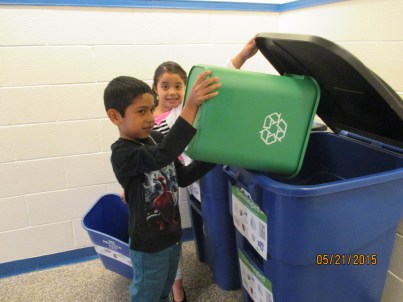
Columbus is only a few days into the process, but has already successfully reduced lunchroom waste by 98%, from just under 400 lbs per lunch to only 8 lbs, and the building output has also drastically been reduced by diverting the paper and commingled into recycling.

Columbus students are super excited because a film crew is covering the transformation of the school and the documentary is going to be shown on the big screen.  I can share already with you that Columbus is full of raw talent. So, watch out for the showing of “Columbus Students are Making a Real Difference” coming soon to the picture house near you.

IMG_0303


How Much is Actually “a Ton of Garbage”?

Garbage costs money.  However only very few people actually know how much it costs and what a ton looks like. Very few of us think further then to the curb.

Let’s look at school garbage a little closer. A school with 830 students generated 23 large black bags of garbage every lunch, the total weight of those bags is 398.5 lbs.

This is what 23 bags look like. IMG_0258 Now that we know what about 400 lbs of garbage looks like, lets think about it.

A ton of garbage costs the tax payer around $80.00 to just dump it onto the tipping floor of the Incinerator, the big trash burning facility up in Peekskill. 400 lbs is a fifth of a ton.  So, imagine 5 times the amount you see, or 115 bags of trash. Clearly the $80 per ton does not represent the only cost of garbage. This material has to be put in bags, then brought outside into the dumpster, then loaded by workers into diesel fuel guzzling trucks (about 2.5 miles per gallon of diesel), driven to a transfer station, dumped there, then loaded onto large trucks and driven 50 miles up north to be dumped onto the tipping floor of the incinerator. And then it is burnt into our air. I get dizzy just looking at how often this material needs to be touched and handled for it “to go away”. It takes that much time and effort to “just throw something away”.

We just started the School lunch recycling program in this school and the kids sorted their lunchwaste into liquids, commingled, milk cartons, compost and trash. The results were astounding. unnamed

Out of the previous 398.5 lbs, only 8 lbs were actually non recyclable. That means that 98% of the material is recyclable.  So, “just throwing it away” is not just costing us a lot of money, but in fact, we use tax payer money to burn materials that we could easily sell for a profit. unnamed (2)

This is what 10 lbs of commingled looks like. Some math on the value of commingled. 1 ton of plastic PETE 1 sells from the Yonkers MRF for around $800. (the cost is market driven, oil dependent and is fluctuating). 10 lbs of plastic (to simplify this calculation, it is all the same resin) 2000 lbs of plastics sell for $800.00 10 lbs = $4.00 Milk cartons sell for $450 per ton. 30 lbs = $6.75 IMG_0278And this is what 15 lbs of milk cartons look like, we had two of these bags. And two full 5 gallon buckets with waste liquid weighing 74 lbs. That means we use fossil fuels to truck liquids 50 miles north just to burn them, rather then sending them down the drain? By far the heaviest was the food waste. 180 lbs of wasted food from 800 kids, plus about 50 lbs of untouched never opened food that was placed into the share basket. Clearly, a ton of garbage is a lot, but as you can see, only 2% of it is actually non recyclable.

So, our convenience to “just throw it away” costs us all dearly. Not just as hard cash but also at great environmental expense.

We Future Cycle’s Bash The Trash Documentary showing in Pelham Picture House on April 22, 6:30 pm

On April 22nd 2015 at 6:30, the curtain will rise to show the documentary filmed about the Bash The Trash Legacy Project created and supervised by We Future Cycle in the Colonial Elementary School in Pelham. We are so excited and hope you can all join us for this event.

maxresdefault-e1429033807574Also shown will be “Devide in Concord”, the tale of the battle to ban the plastic bottle.

The Pelham Picture house is located at 175 Wolfs Ln, Pelham, NY 10803.

We Future Cycle to present at Bedford 2020 “Beyond Waste” Fair

b20-BeyondWaste-flyer-v7On May 13th at 6:30 to 8:30 pm, We Future Cycle is invited to be part of the Bedford 2020 Beyond Waste Fair. We will have an informational table as well as be part of a round table discussion.

We are looking forward to spreading our message to bring sustainability education into schools through hands-on source separation in the lunchrooms and buildings.