
Most schools in the US are part of the Federal School Lunch Program which regulates how tax payer dollars are spent on student lunches.
Thanks to Michelle Obama, real nutritional guidelines were put in place to assure that commercial food provider do not just use the cheapest of all ingredients to feed our littlest ones to pad their bottom line.
Extensive guidelines regulate the servings of fresh fruit, whole grain carbs, and fresh meat, but -as we all know- we are dealing with kids and some of the best intentions are not going to fly with them. So often enough, there are things they won’t eat despite all the best efforts.
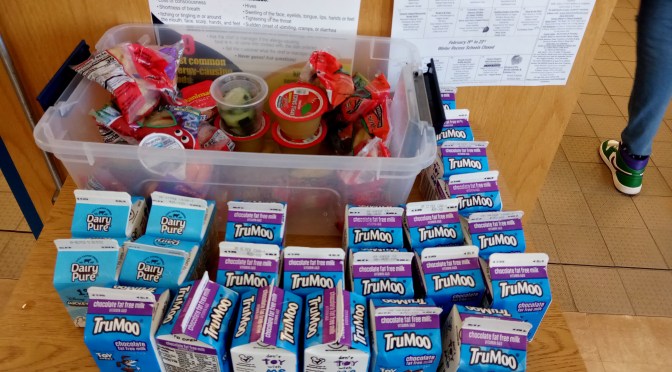
Before WeFutureCycle got into the White Plains Schools, all those untouched food items would go straight into the garbage. The kids were served, didn’t open them, and off it went into the trash.
Now that we have taught students to separate their left overs into recyclable, compostable and non recyclable, we are also sorting out the untouched food items to repurpose them. Either as seconds for the older grades, or for the afternoon programs as snack or to the nurse for a snack. Anything is better than discarding perfectly untouched food, just because that particular student didn’t want to eat it.

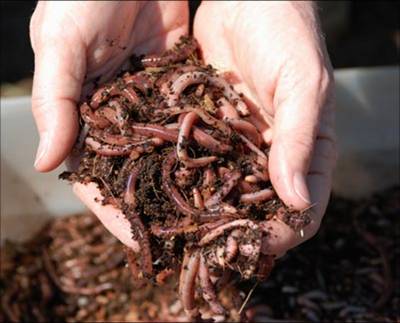 Meet the new “friends” of Ridgeway’s Ms. Vendola’s second grade. Eager students learned all about the wonders of worm composting, or technically called Vermiculture.
 We Future Cycle