Tag Archives: schoollunchcomposting

Garbage reducing Solutions showing off big in White Plains schools

Feeding 2200 kids with a varied menu while avoiding small single serve packaging is not easy and we at WeFutureCycle are looking every day for small changes that can have a big impact.

Take this fabulous new solution.

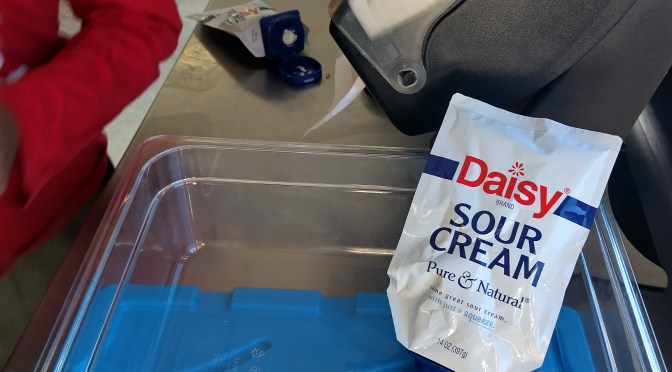
Before these large sour cream squeeze pouches were introduced, each student would be receiving a small soft plastic sleeve. These small sleeves were hard to open and the kids ended up having sour cream on their fingers . Once the sour cream is squeezed out of the sleeve, the main sleeve and the ripped off portion of it would often enough stick to the compostable tray and thus end up in the compost. Once these small plastic sleeves are in the compostable materials, they do not leave again, nobody picks them out at the compost site and they end up in the environment and possible in the food chain.

Positive changes are not difficult to achieve, they most often save money on top of being a much better option for the environment.

The Frightening Truth of Untouched Food Waste

The discarding of untouched, fully packaged food items, just because one doesn’t feel like eating them right now, is an everyday reality in schools. WeFutureCycle is working within the schools to have share tables and goodie bag systems to feed these perfect food items into the hands (and mouths) of the ones that would like to consume them.

But the commercial untouched food waste is absolutely staggering and frightening. According to USDA about 16 % of all foods grown do not make it into the stores at all. Mostly for reasons of consumer quality expectations. Any blemish or too much of size deviation is a reason to reject that piece of fruit.

In addition to those initial 16% , there is an additional 30% of loss at the retail and consumer level. The retail level is comprised of packaging errors, transportation loss due to loss of cooling chain or other issues, and of course the running out of date at the grocery store. Store retail space is of high value, which means that if products are not selling well, the entire stock will be discarded to make room for another product that will turn over quickly.

A recent visit at the Quantum Power Bio Digester Plant in Southington CT was an eye-opening, shocking and utterly frightening experience. We saw pallets and pallets and pallets of untouched foods, being crushed so that the juice could be fed into the bio-digester for energy production. An entire factory hall with hundreds of pallets of yogurts, soda, grapes, strawberries, lettuce, canned fruits, juices…… all deemed below consumer expectations.

It was shocking to see people working to destroy food. The cost to society for consumers to reject slightly imperfect food is truly staggering. 46% of all grown, packaged, loaded, unloaded, displayed is being destroyed. 46%!!

Going the extra mile to not use unnecessary bags

Commingled recyclables like milk cartons, aluminum foil, yogurt cups, bottles coming from a school cafeteria usually represent about 10 % in weight but 50 % in volume. That means two to three large 55 gallon contractor bags are being filled from one school alone.

The Westchester MRF (Material Recovery Facility) in Yonkers accepts the materials only unbagged to make the sorting process more efficient. So most school custodians line their receptacle with a black garbage bag, and then empty said bag into the container outside, and subsequently discarding the now dirty back into the garbage. 3 garbage bags used for no other reason than to not need to wash the bin.

Shout out to Pedro Molina, head custodian at Ridgeway Elementary School in White Plains. Pedro realized very early on, that it was a waste and that it is only a minute to rinse the bin, thus saving 3 garbage bags every day. This is what it means to go the extra mile. Seriously, way to go? Thank you!

Water, the most valuable resource

Learning what happens when they flush is usually accompanied by extended noises of disgust, but after just a little while, students realize -and agree- that it is very important.

We usually begin by teaching them what it takes in terms of engineering and technology to bring potable water to their kitchen. It opens their mind. Not just to the process but more so to the concept of luxury that it is to have clean drinking water readily available. Learning about flocculation, filtering and disinfection as well as the fact that only 0.3% of all of the world’s water is fresh water available for drinking is quite eye-opening.

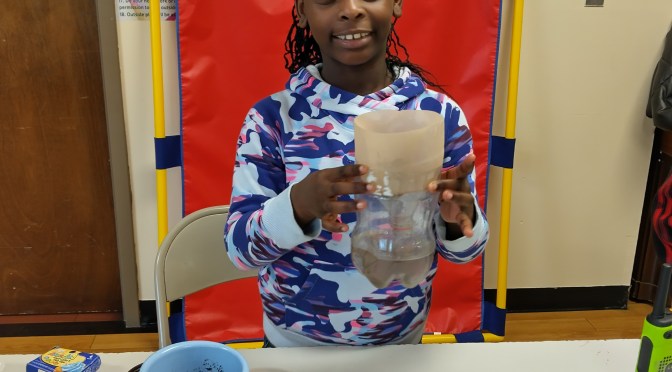
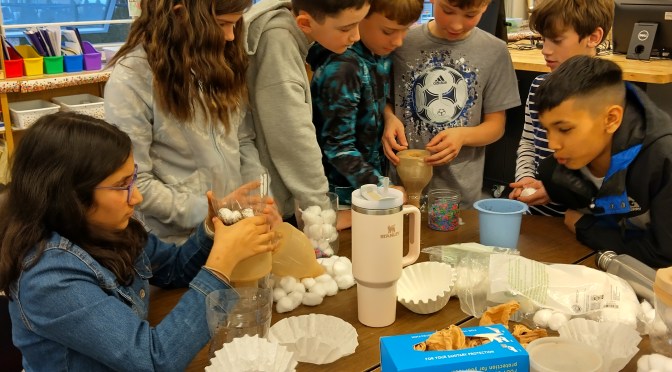
During a filtering activity it all comes into focus and students suddenly understand that clean water is our most valuable resource.

White Plains littlest ones are learning how to sort recyclables

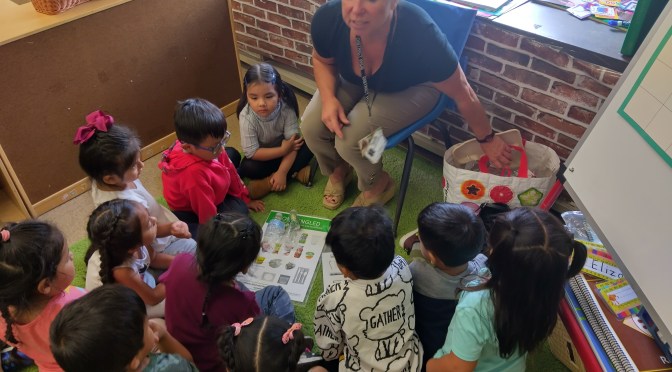
It is one of the highlights for me to go into a preschool class and teach 3y olds that their actions can make a difference. They are so eager to please, eager to learn and are so openly astonished that they have any power whatsoever.
Empowering kids to sort materials into the correct bin and showing them how that makes a difference is the beginning of a lifelong environmental awareness.

What I particularly like is showing them how their food scraps look like after they are composted. With great excitement they are touching and smelling the compost and all declare with sincerity that composting is good. They are off to a great beginning.

Recycling Milk Cartons at White Plains Schools

Milk Cartons are fully recyclable, made out of high grade paper fiber with a thin coating of PET to waterproof them, they are the perfect container for milk or juice, for that matter most non carbonated beverages.

Produced from renewable resources, fully recyclable, light weight, easy to stack and compostable if need be , so -really- one of the best ways to package, store and serve drinks in a school environment or pretty much anywhere.

Carton recycling was only added in 2016 to the list of recyclable items in Westchester County.

We Future Cycle started its signature recycling program in 2014 and we realized quickly that volume wise, cartons by far outnumbered the plastic or metal packaging coming out of schools. We pushed Westchester County to join all surrounding counties and add milk cartons and juice boxes to their line up of recyclable materials.

We are pleased to save every day bags and bags of this valuable materials from being burnt as garbage, just so we can cut down some more trees to replace that paper.

We are also grateful to the Carton Council for sponsoring us to bring more recycling to a school near you.

Waste free starts with ….everyone of us

We at Wefuturecycle are proud to work in schools and teach students that their small everyday actions matter and we are particularly happy when we hear them share with us that because of us, they asked mom to change how they bring their lunch to school.

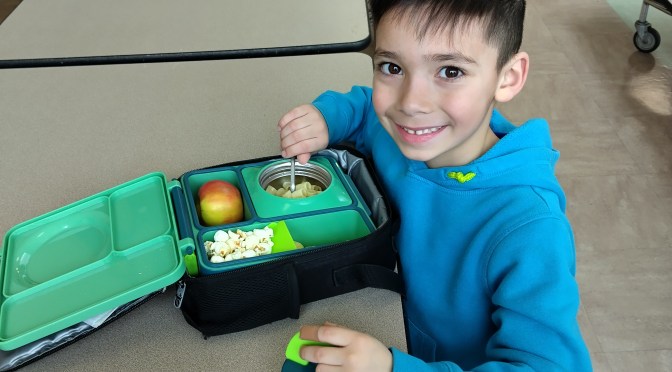
This student is bringing lunch in a lunchbox and is completely waste free every single day.

And kids around him are taking notes too. A trickle of sustainability can create ripples through schools and communities.

Recycling… a hands-on experience

Students at most ages have heard the word recycling, but when asked what it actually means we get a short narrative of “making new stuff”. In the schools that WeFutureCycle is active in, the kids have learned that packaging items made of cartons, hard plastic, aluminum, glass and milk cartons are fully recyclable and thus they go into the recycling bin. They are good at sorting, do it easily and while chatting with their friends. The result is a reduction of 95!!! % in waste by sorting all compostables and all recyclables out of the system.

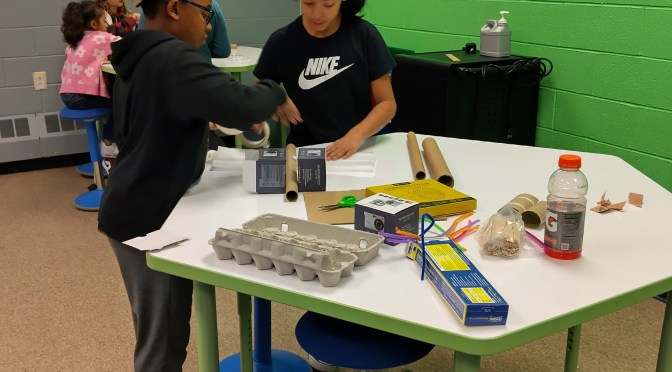
But what does “making new stuff” actually mean? We put it to the test by giving them a bunch of materials and let them build a space station with it . While they were busy cutting “solar panels” from cereal boxes, I explained that most materials can do just that. Be made into something as fantastic as a space station.

Turning waste into energy

Wefuturecycle offers a vast variety of environmental education classes to connect students to their environment. One of these lessons starts with the simple question: “Is there any value in animal and human manure?” This question usually invokes grimaces and grossed out “eeeeekkkkss” from the students.

When I asked them what they thought about cooking with their human waste, we had a few minutes of groans and disbelief. But they listened carefully when I explained how people can cook with the help of manure and it opened their thoughts to think way past their own experiences

We explore together what it takes for civilization to function. For most students it is the first thought to what happens after they flush in the bathroom. And most students in the metro area have no understanding of what life might look like without the convenience of city water and engineered sewer systems.

Walking them through the process of anaerobic digestion and the benefit of producing Methane from waste products , contrasting it with fossil fuel Methane opened their eyes to the environment around them and how we have many solutions to our pressing problems but are lacking will to implement them.

Teaching a generation of kids to be the new fearless leaders of tomorrow is very heartwarming.

Water…. teaching students its value so they care

For most kids in the US, it is normal to go, turn on the faucet and out comes beautiful clear, great tasting water. We drink it, we cook with it, we shower in it and -aggghhhh- we flush our toilets with it. Potable water is the greatest resource.

Teaching students the value of water, when they, themselves, have grown up with it being normal means to teach them beyond their own surroundings.

We Future Cycle offers a variety of environmental presentations to students, connecting them to their surroundings, making them aware of the connections and consequences of their own every day behaviors. Such as using the toilet as trash receptacle, big no no.

(note to the intrepid reader: only bio solids (aka: no1 and no2) and TP goes into the toilet, nothing else: no flushable wipes, no chemicals, no q-tips, no feminine products, no male products, no medication)

We teach them just how little fresh water there is on Earth and what it takes to make it potable and arrive, ever so conveniently, at your faucet. Showing them where their water comes from and what happens when we flush makes them appreciate the value this incredible resource has.

And it creates a sense of responsibility.