
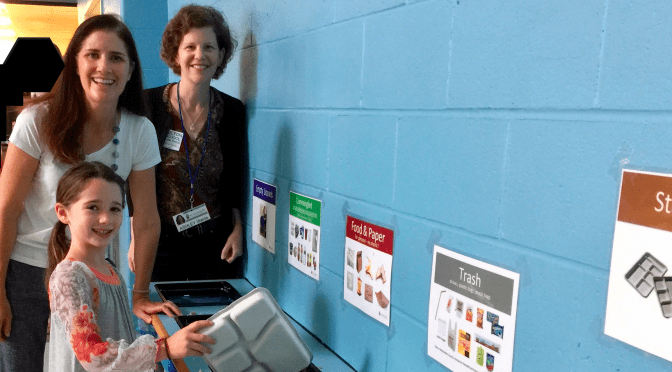
Milton Elementary launched the We Future Cycle lunchroom recycling and composting program, joining Midland Elementary as the 2nd elementary school in Rye, N.Y. to reduce its lunch waste by 97%!
Milton parent Lesley Reidy and 2nd grade teacher Dayna Reist led the charge to bring the program to the school. Head custodian Billy Salisbury was the behind-the-scenes hero. At the end of the last school year, he began to separate the liquids from the waste stream and also had students stack their trays instead of dumping them in the trash with the rest of their leftovers; this change alone reduced the trash from 10-12 bags to 2 bags every day! His work demonstrated that even small changes make a huge difference in school lunch waste.
Then, Billy and Rye’s Facilities Director, Sam Carder, built a counter to give the recycling station a permanent home. While this is not a “must-have” when launching the program, it’s a nice touch to keep all the bins organized in the proper place every day. And, it looks great!
After two days of training students in their classrooms, we were ready to launch, eagerly anticipating the results. Our waste audit showed that Milton’s 413 students generate about 95 lbs per waste every day. Once separated into recycling and composting streams, the waste broke down like this:
Liquid: 22 lbs (23% of total by weight)
Commingled (plastic, cartons and foil): 14 lbs (15%)
Compost (food and paper): 40 lbs (42%)
Trays (also for compost): 16 lbs (17%)
Trash: 3 lbs (3%)
This result is tremendous! A special thank you to the Milton PTO for sponsoring the program and to Principal Dr. Nardone for her support as well. We are thrilled to have Milton on board, and we look forward to bringing additional environmental education to the school in the future.

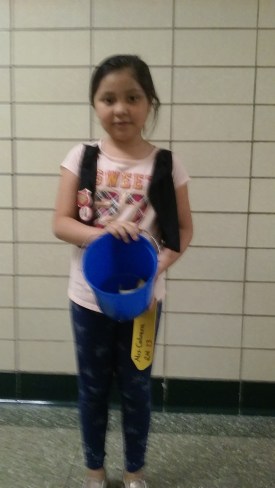 New Rochelle Trinity Elementary School is a shining example on how teaching students young creates life long behavior changes. Two years ago, We Future Cycle introduced the Waste Free Snack program to the school. All students went through class by class presentations about how to reduce packaging waste from snack in the classrooms in addition to making healthier snack choices.
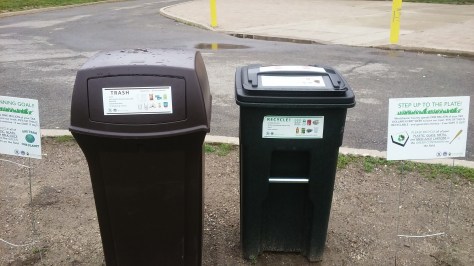 Will newly installed recycling bins with clear signage, next to trash cans, also sporting signage and both are flanked with signage motivate participation?
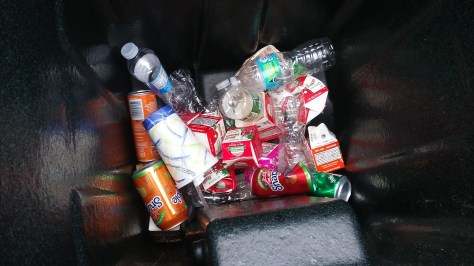 Monitoring the recycling bin showed that students put the appropriate items into the recycling bin, without a single contaminant. Room for improvement is that there were materials in the trashcan that should have gone into recycling.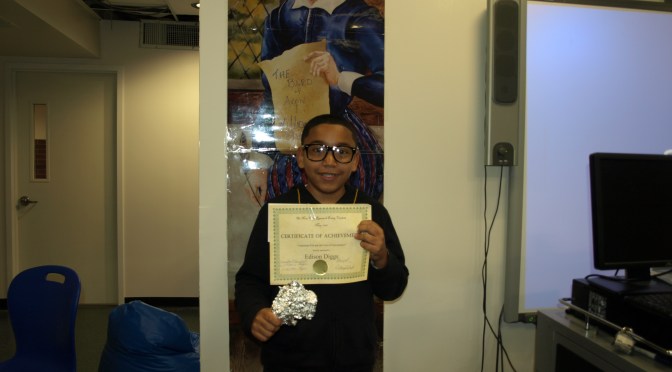
 It pays to play! That is something that proud winner Edison Diggs learned in a very rewarding way. He was the winner of the We Future Cycle sponsored Research Essay Contest with the topic “Aluminum Foil: The cost of convenience”

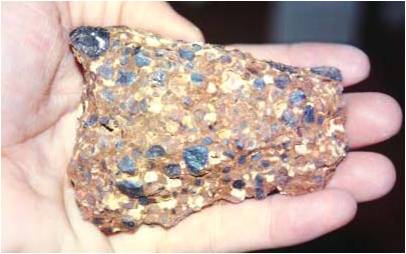 Aluminum does not exist in its free form in nature, instead Alumina silica is found in Bauxite. This ore is mainly found in thin layers in the tropics.

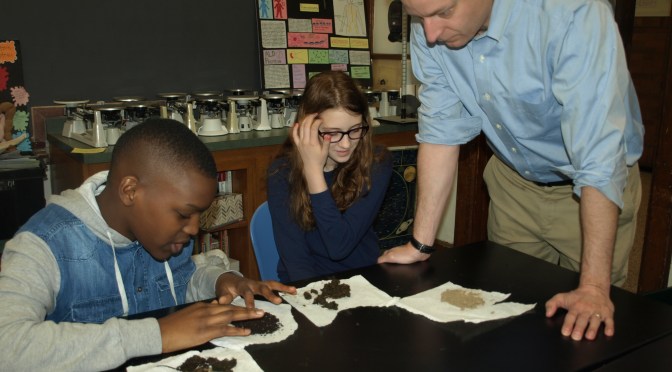
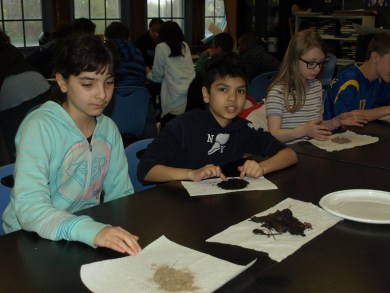
 ealthy soil made from food waste and wood chips/leaves. Nature’s magic



 We Future Cycle