

The discarding of untouched, fully packaged food items, just because one doesn’t feel like eating them right now, is an everyday reality in schools. WeFutureCycle is working within the schools to have share tables and goodie bag systems to feed these perfect food items into the hands (and mouths) of the ones that would like to consume them.
But the commercial untouched food waste is absolutely staggering and frightening. According to USDA about 16 % of all foods grown do not make it into the stores at all. Mostly for reasons of consumer quality expectations. Any blemish or too much of size deviation is a reason to reject that piece of fruit.
In addition to those initial 16% , there is an additional 30% of loss at the retail and consumer level. The retail level is comprised of packaging errors, transportation loss due to loss of cooling chain or other issues, and of course the running out of date at the grocery store. Store retail space is of high value, which means that if products are not selling well, the entire stock will be discarded to make room for another product that will turn over quickly.


A recent visit at the Quantum Power Bio Digester Plant in Southington CT was an eye-opening, shocking and utterly frightening experience. We saw pallets and pallets and pallets of untouched foods, being crushed so that the juice could be fed into the bio-digester for energy production. An entire factory hall with hundreds of pallets of yogurts, soda, grapes, strawberries, lettuce, canned fruits, juices…… all deemed below consumer expectations.
It was shocking to see people working to destroy food. The cost to society for consumers to reject slightly imperfect food is truly staggering. 46% of all grown, packaged, loaded, unloaded, displayed is being destroyed. 46%!!

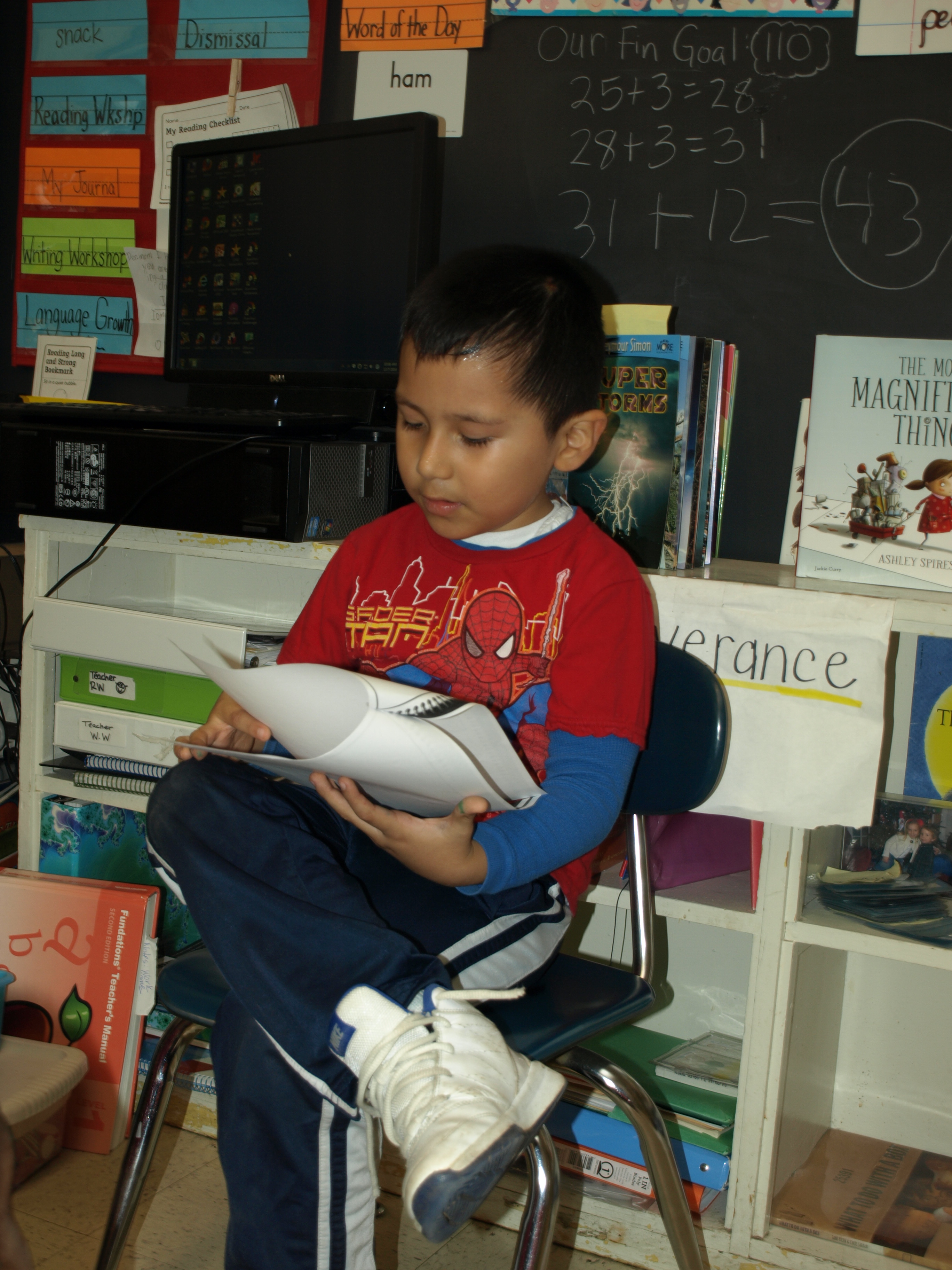
 We Future Cycle has been hired by the New Rochelle School District to bring sustainability education to the students. Our favorite activity is to do a Worm composting workshop with elementary students. Recently all Webster 1st graders got to meet their new friends, the Eisenia Fetida worms.
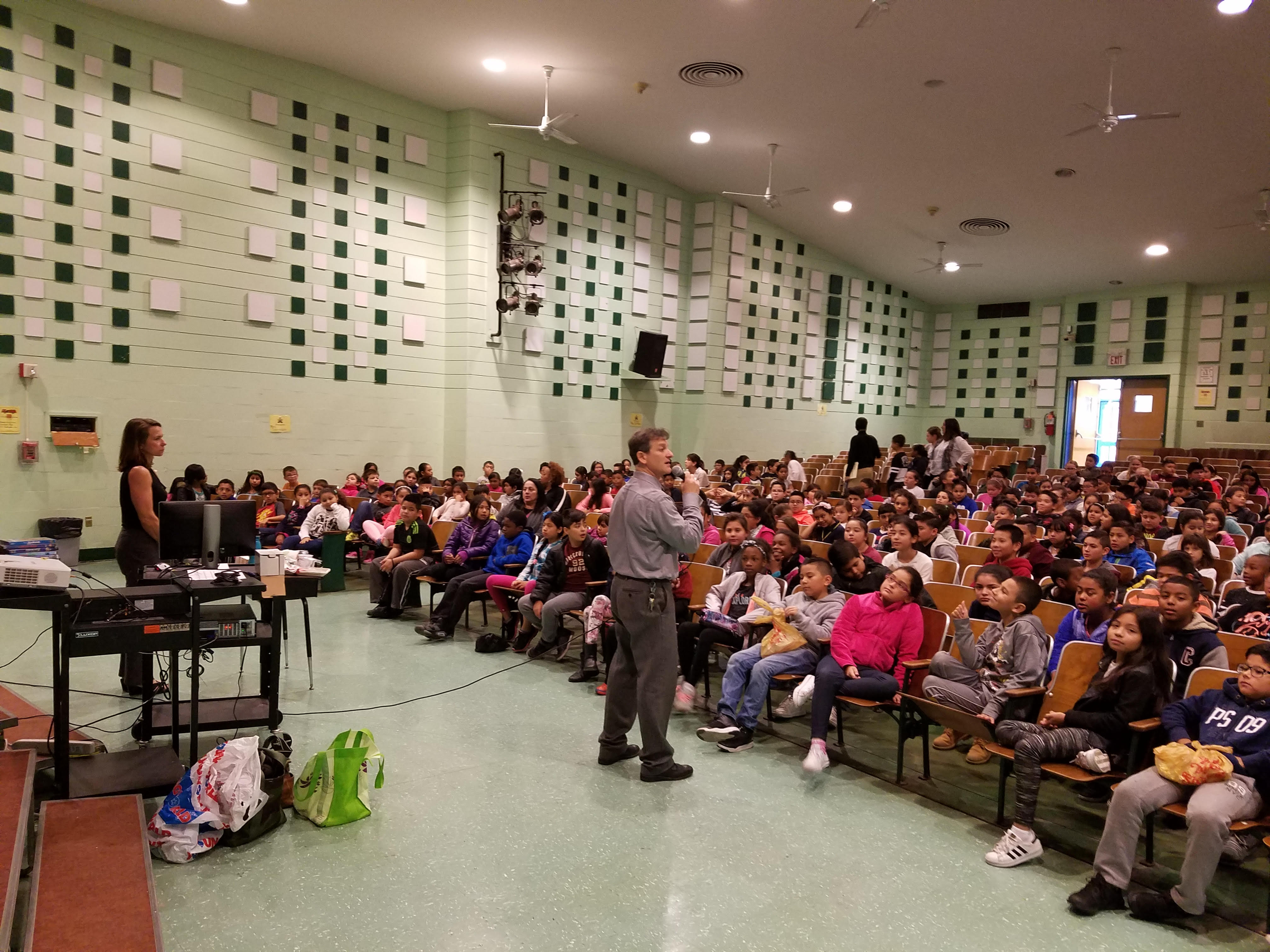
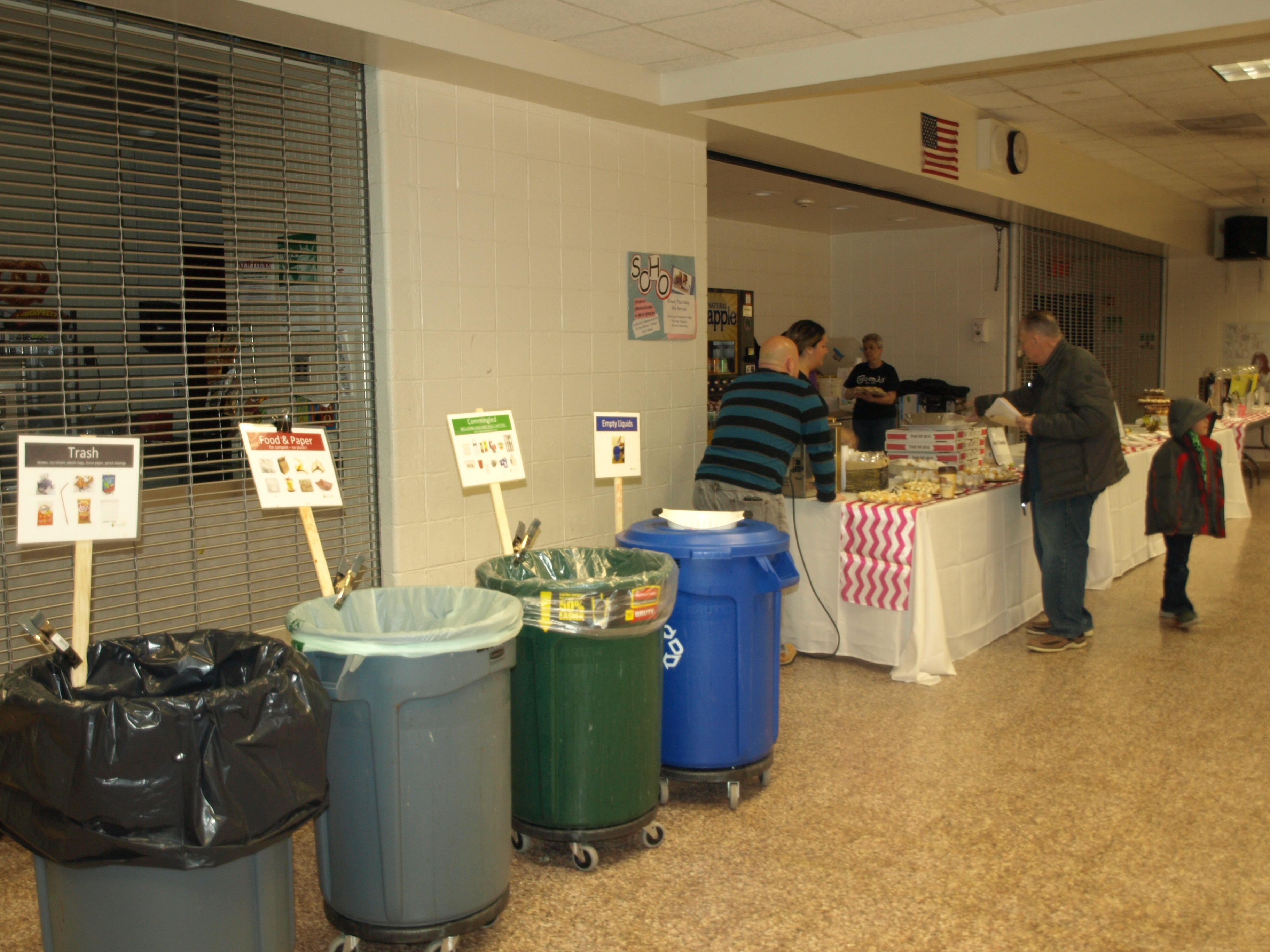 Parents had the opportunity to sort their waste into “Food & Paper” and “Commingled Recycling” and they all did it with gusto and flawlessly. Anna Giordano, Executive Director of We Future Cycle, the not-for-profit organisation that was hired to bring extensive sustainability programs to the district was there to help at the station and to share the fabulous results achieved in all the schools since the inception of the program. ALMS has reduced its lunchroom waste by a whopping 95%, its building waste by a good 50% and its kitchen waste by 65%. All in all, that is about 450 lbs of garbage NOT generated every day, and that just from one of the 9 participating New Rochelle schools.
 Thanks to the program, New Rochelle School District was able to revamp its waste management system and save considerable funds. Carl Thurnau, the Director of Facilities for the district has just quantified it at the ongoing budget meetings with an annual savings of $130,000.
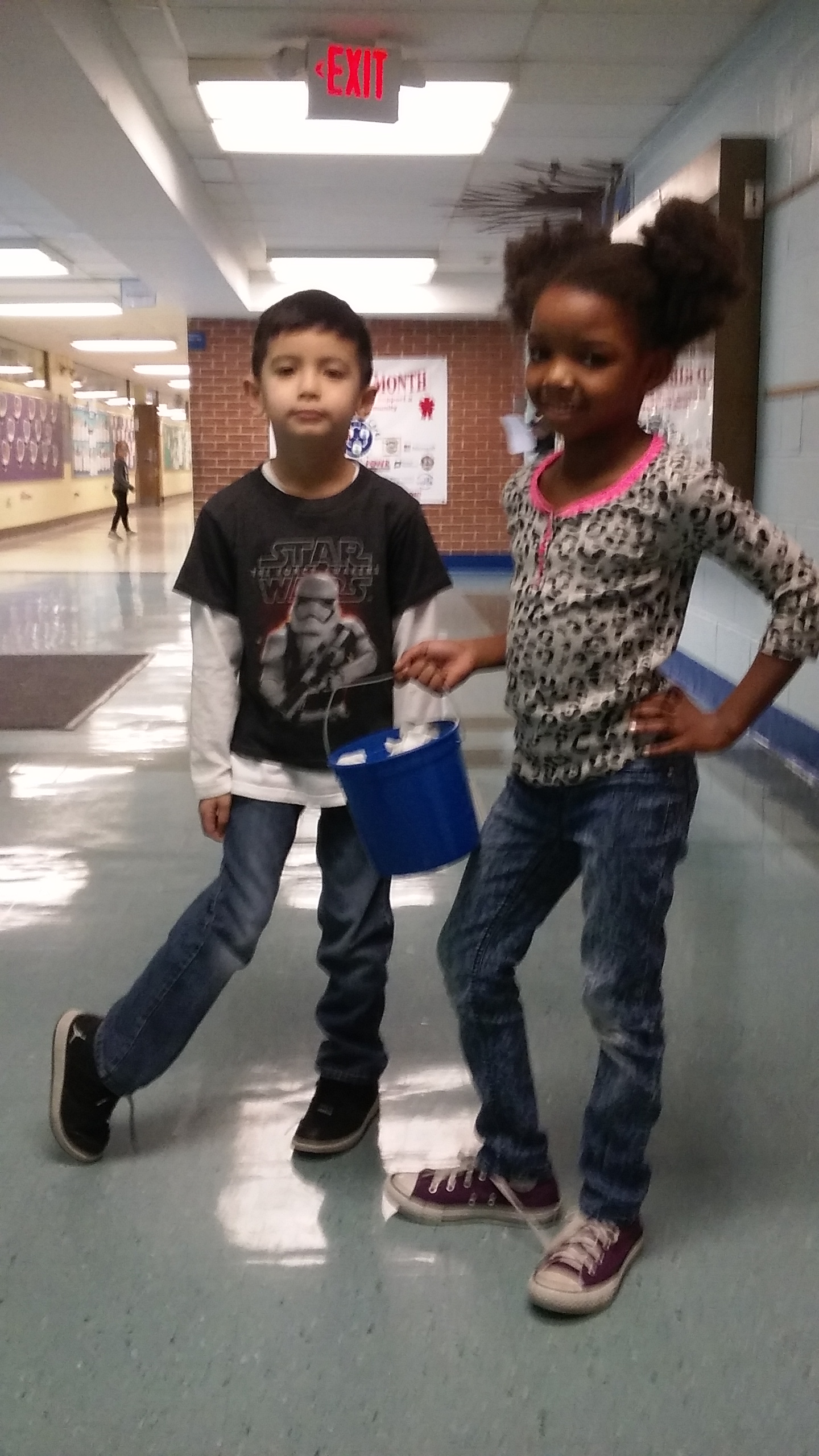 They are bringing the organic snack waste from their classroom to the lunchroom. There it is combined with the food waste that will be composted. White Plains has adopted the We Future Cycle Recycling Program last year and is working hard to make its schools a waste free environment. And Ridgeway is very much on its way.
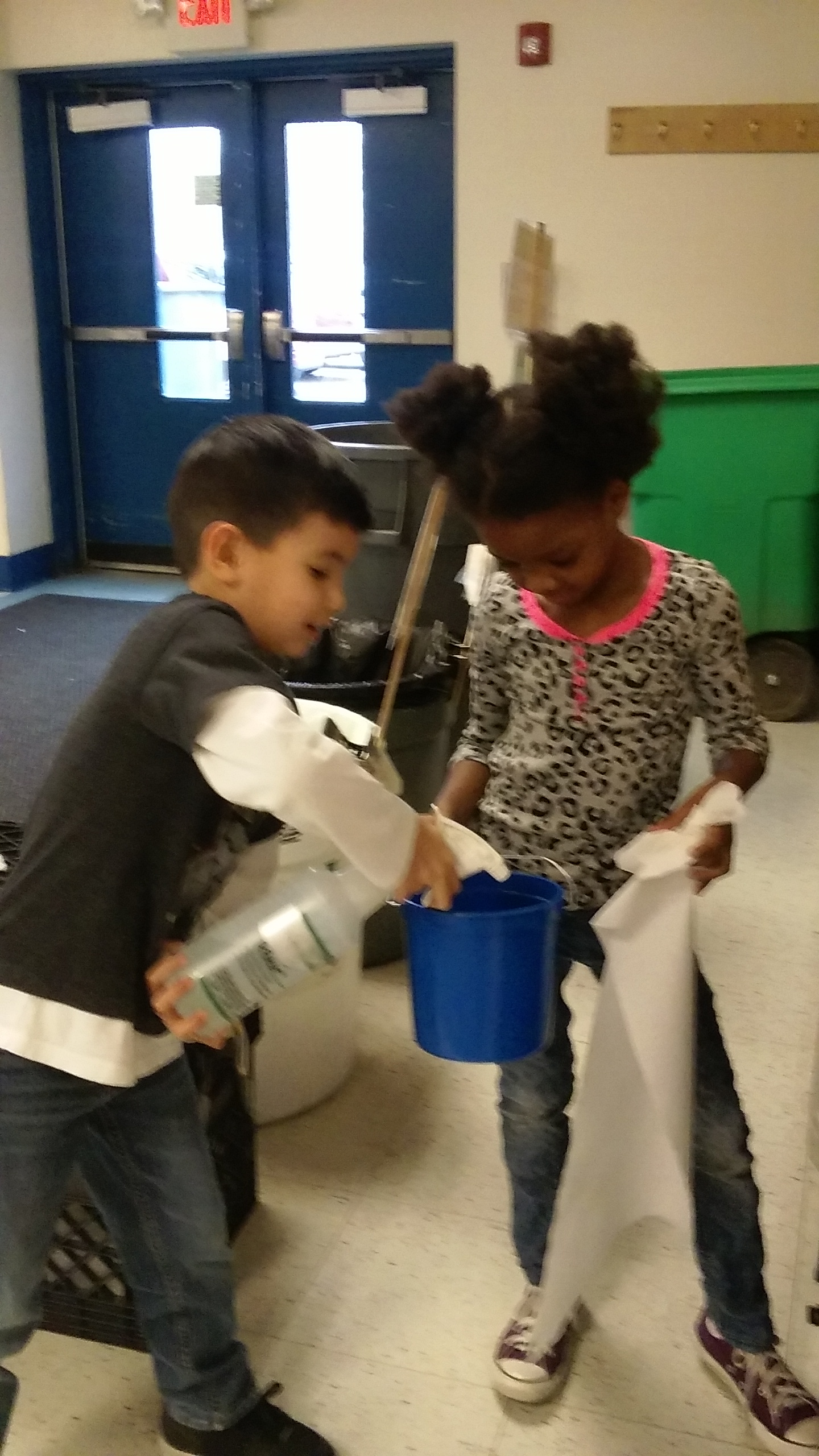 Every day, students of all grades bring their organics down to the lunchroom and carefully clean their pail. Head Custodian Pedro Molina reports that there is practically nothing in the trash at the end of the day.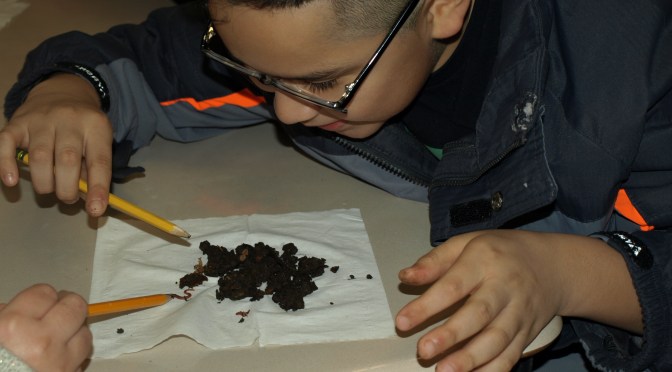

 The best part was digging in the dirt as they got to examine up close and personal four different soil samples. Inspecting them while looking for color, texture, water retention capabilities and organic matter content gave them a deep understanding of the connection between healthy soils and its ability to grow food.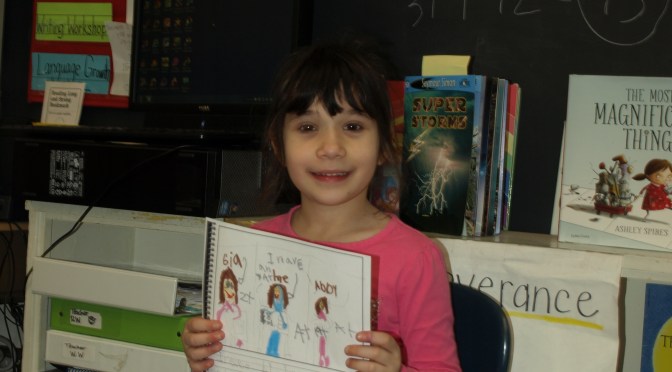

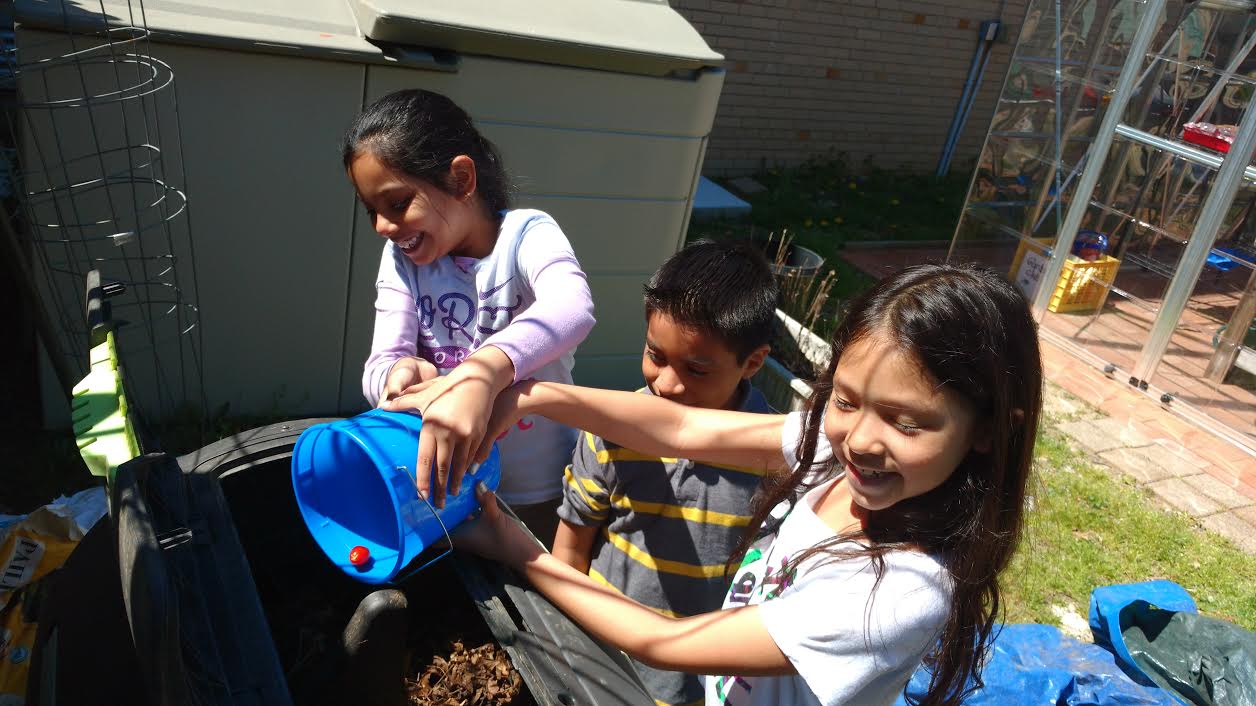 White Plains Church St Elementary Students are coming full circle. We Future Cycle just did a planting project with 4th grade using the schools own compost.

 We Future Cycle