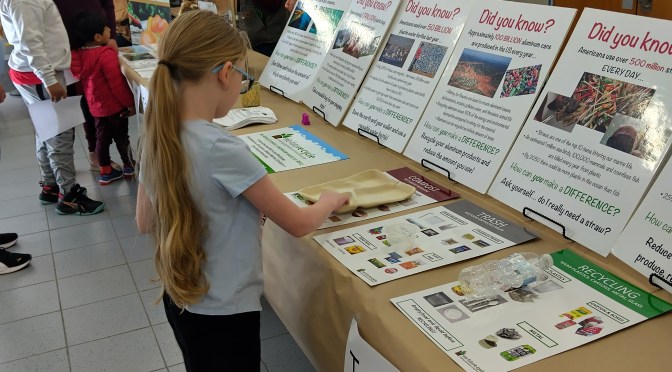
We Future Cycle engages kids (and their grown ups) with environmental facts

When we participate at a climate or community fair, we have a bunch of posters with environmental facts to engage the kids with. These are posters that illustrate shocking things under the headline “Did you know…” . Students as young as first grade will receive a detective sheet to collect clues and with the help of their grown ups are learning things like that the US is using over 500 million straws per day, or that the only place we can mine for the ore that gives us Aluminum is the rainforest. Each poster offers one or two quick things to change which will make a huge difference.

Engaging parents through their kids is the way to really change the communities for the better. We see this change in the lunchrooms we work in. More and more reusable water bottles, fewer unrecyclable juice pouches, more lunchboxes with less single serve packaged foods.

Creating a generation of kids that care also comes with the grown-ups attached to those kids to start to care.
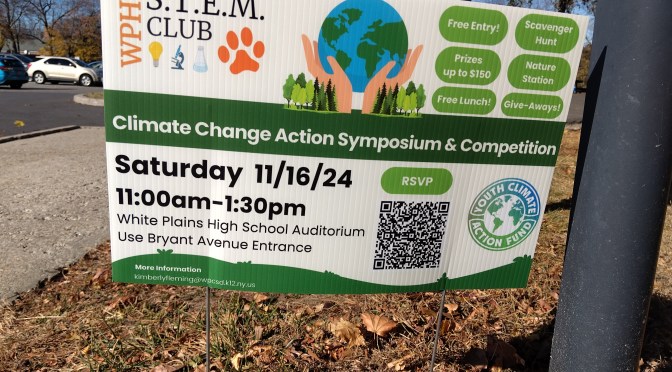
Climate Change Action Symposium at the White Plains High School

Last Saturday was the Climate Change Symposium at the White Plains HS. This event was organized by the STEM and Science Research team under the leadership of Kimberly Fletcher.

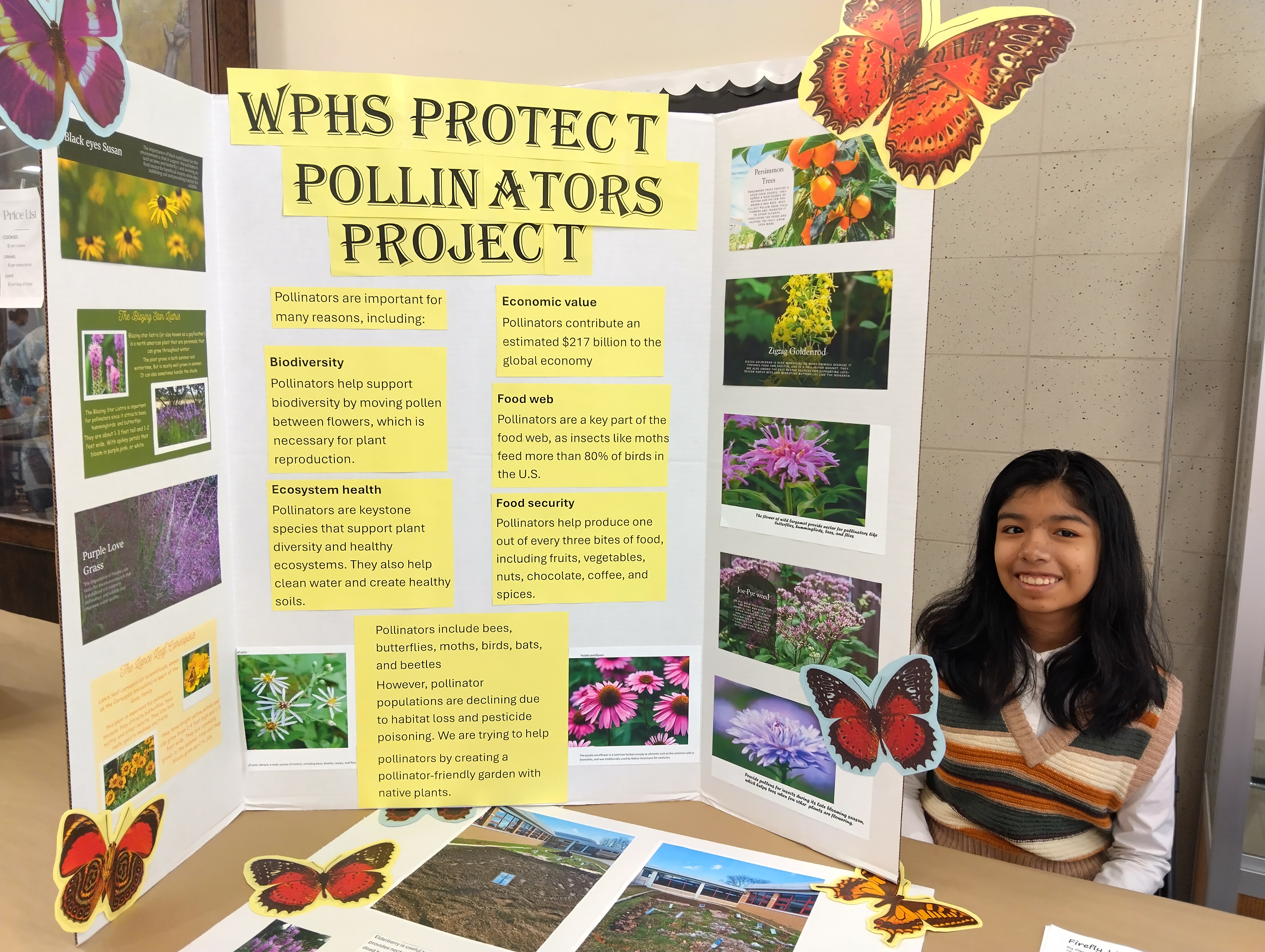
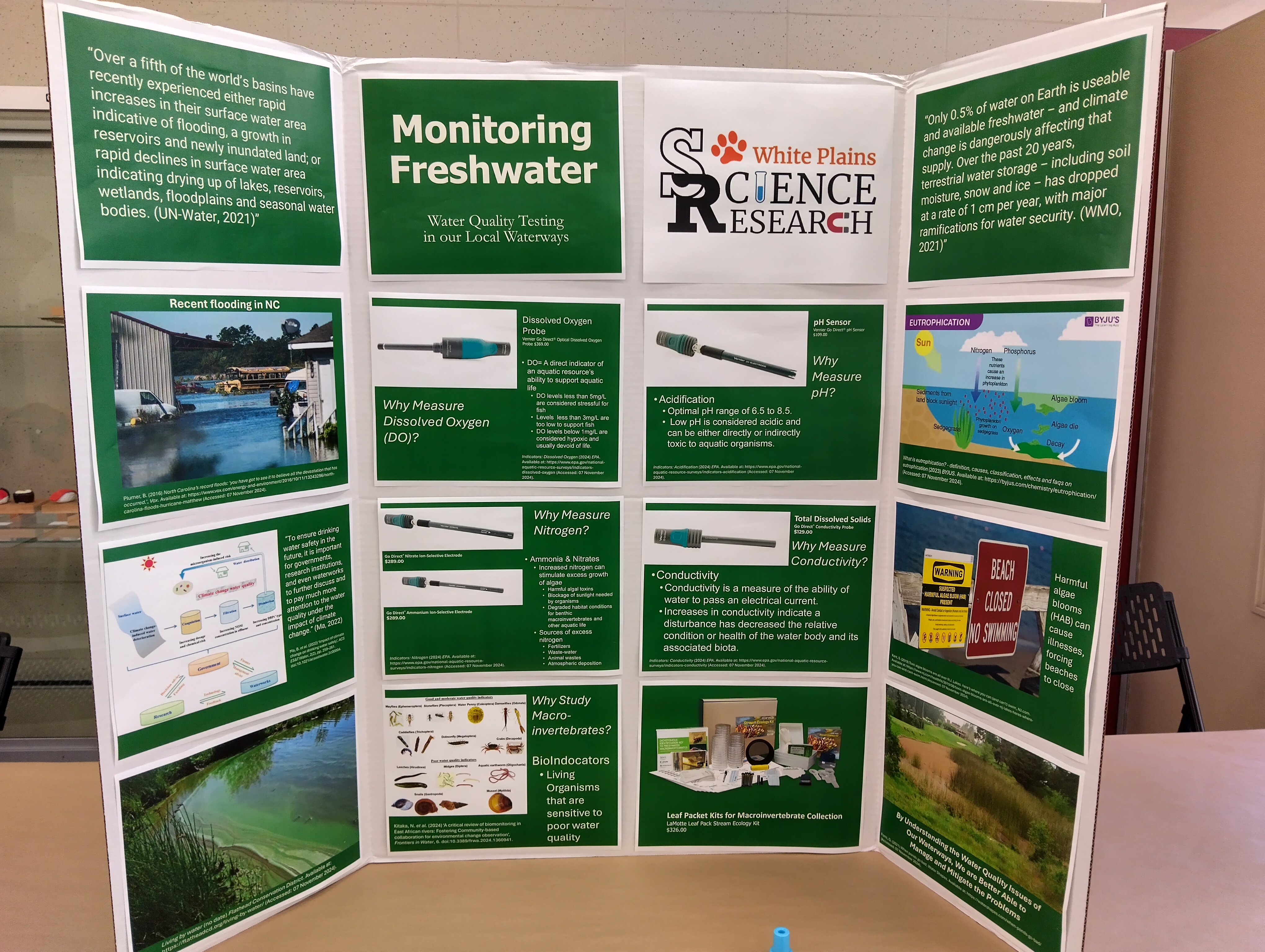
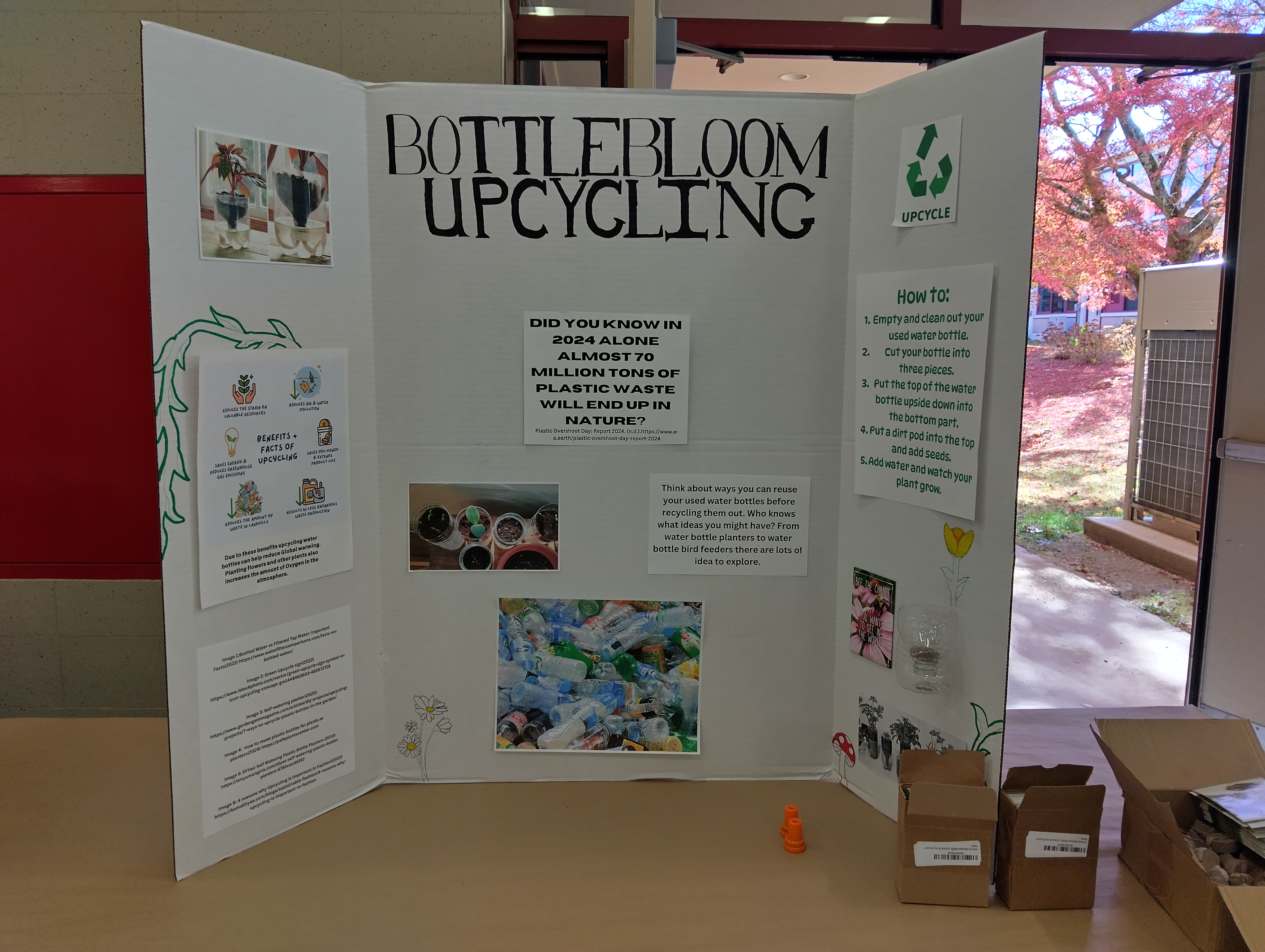
The students had fabulous posters featuring their topic of research and they showed off their progress in the pollinator garden.

We Future Cycle was honored to have been invited to host a table and we had a steady stream of participants in our Environmental Treasure Hunt and our Sorting Game.

Garbage reducing Solutions showing off big in White Plains schools

Feeding 2200 kids with a varied menu while avoiding small single serve packaging is not easy and we at WeFutureCycle are looking every day for small changes that can have a big impact.

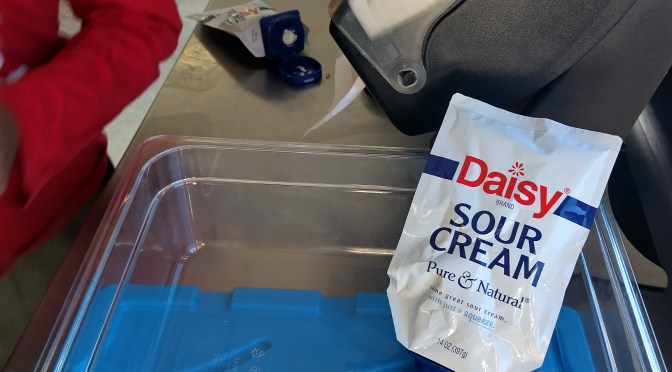
Take this fabulous new solution.

Before these large sour cream squeeze pouches were introduced, each student would be receiving a small soft plastic sleeve. These small sleeves were hard to open and the kids ended up having sour cream on their fingers . Once the sour cream is squeezed out of the sleeve, the main sleeve and the ripped off portion of it would often enough stick to the compostable tray and thus end up in the compost. Once these small plastic sleeves are in the compostable materials, they do not leave again, nobody picks them out at the compost site and they end up in the environment and possible in the food chain.

Positive changes are not difficult to achieve, they most often save money on top of being a much better option for the environment.

The Frightening Truth of Untouched Food Waste

The discarding of untouched, fully packaged food items, just because one doesn’t feel like eating them right now, is an everyday reality in schools. WeFutureCycle is working within the schools to have share tables and goodie bag systems to feed these perfect food items into the hands (and mouths) of the ones that would like to consume them.

But the commercial untouched food waste is absolutely staggering and frightening. According to USDA about 16 % of all foods grown do not make it into the stores at all. Mostly for reasons of consumer quality expectations. Any blemish or too much of size deviation is a reason to reject that piece of fruit.

In addition to those initial 16% , there is an additional 30% of loss at the retail and consumer level. The retail level is comprised of packaging errors, transportation loss due to loss of cooling chain or other issues, and of course the running out of date at the grocery store. Store retail space is of high value, which means that if products are not selling well, the entire stock will be discarded to make room for another product that will turn over quickly.

A recent visit at the Quantum Power Bio Digester Plant in Southington CT was an eye-opening, shocking and utterly frightening experience. We saw pallets and pallets and pallets of untouched foods, being crushed so that the juice could be fed into the bio-digester for energy production. An entire factory hall with hundreds of pallets of yogurts, soda, grapes, strawberries, lettuce, canned fruits, juices…… all deemed below consumer expectations.

It was shocking to see people working to destroy food. The cost to society for consumers to reject slightly imperfect food is truly staggering. 46% of all grown, packaged, loaded, unloaded, displayed is being destroyed. 46%!!